Unit Plan 24 (Grade 6 Band): Music in Cultural Context
Explore how cultural, historical, and social context shapes band music, guiding tempo, style, dynamics, and interpretation for Grade 6 musicians.

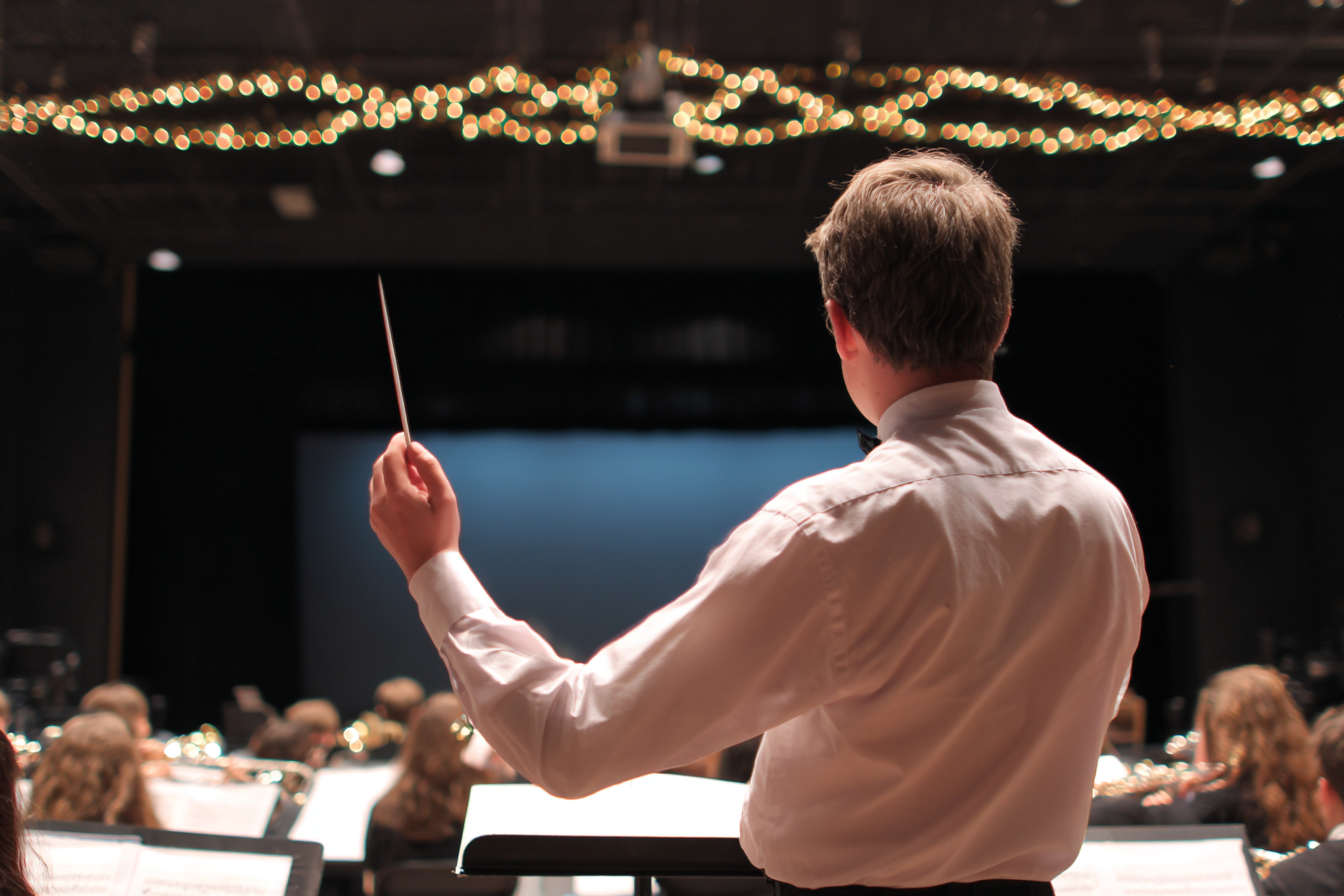
Focus: Explore cultural, historical, and social connections in band music and explain how context influences tempo, style, dynamics, and interpretation.
Grade Level: 6
Subject Area: Band (Connecting • Listening/Analysis • Performance Practice)
Total Unit Duration: 5 sessions (one week), 50–60 minutes per session
I. Introduction
In this unit, students discover that band music is not just notes on a page—it is connected to real people, places, and times. Through listening, short readings, and simple research, they explore how marches, folk tunes, spirituals, and other band works reflect their cultural and historical contexts. Students learn how knowing a piece’s origin and purpose (parade march, folk dance, film scene, ceremony) can change decisions about tempo, articulation, dynamics, and tone. By the end, they create a short “Music in Context Guide” that links a band piece’s background to specific performance choices.
Essential Questions
- How does band music reflect the culture, history, or social life of the people who created it?
- What is context, and how can understanding it change the way we perform a piece?
- How do elements like tempo, dynamics, articulation, and tone color help communicate a piece’s cultural or historical background?
- Why is it important for musicians to respect and understand the origins and meanings of the music they perform?
II. Objectives and Standards
Learning Objectives — Students will be able to:
- Define musical context and identify basic cultural, historical, or social information about at least two band pieces.
- Describe connections between specific band works and their cultural or historical origins (e.g., country, time period, purpose).
- Explain how context suggests particular performance decisions (e.g., march = steady tempo, strong articulations; folk tune = flowing style).
- Compare two performances or interpretations and describe how knowledge of context might affect tempo, dynamics, or tone.
- Create a short Music in Context Guide for one band piece, connecting background information to specific performance suggestions.
Standards Alignment — 6th Grade Band (custom, NAfME-style)
- BD:Cn11.6a — Identify connections between band music and cultural, historical, or social contexts, and describe how context influences performance.
- Example: Students research a march or folk tune and explain how history affects tempo and style.
Success Criteria — Student Language
- I can explain what context means in music (who, where, when, and why a piece was created).
- I can name at least one cultural or historical connection for a band piece we study.
- I can describe how context affects tempo, dynamics, articulation, and style when we perform.
- I can create a short guide for one piece that links its background to clear performance decisions.
- I can talk about why it is important to respect a piece’s culture and history when we play it.