Unit Plan 33 (Grade 6 Orchestra): Evaluate Our Growth
Grade 6 orchestra unit where students evaluate ensemble growth using recordings and a rubric, cite specific evidence for tone/intonation/rhythm/bow unity/expression, and set clear rehearsal goals with strategies for continued improvement.

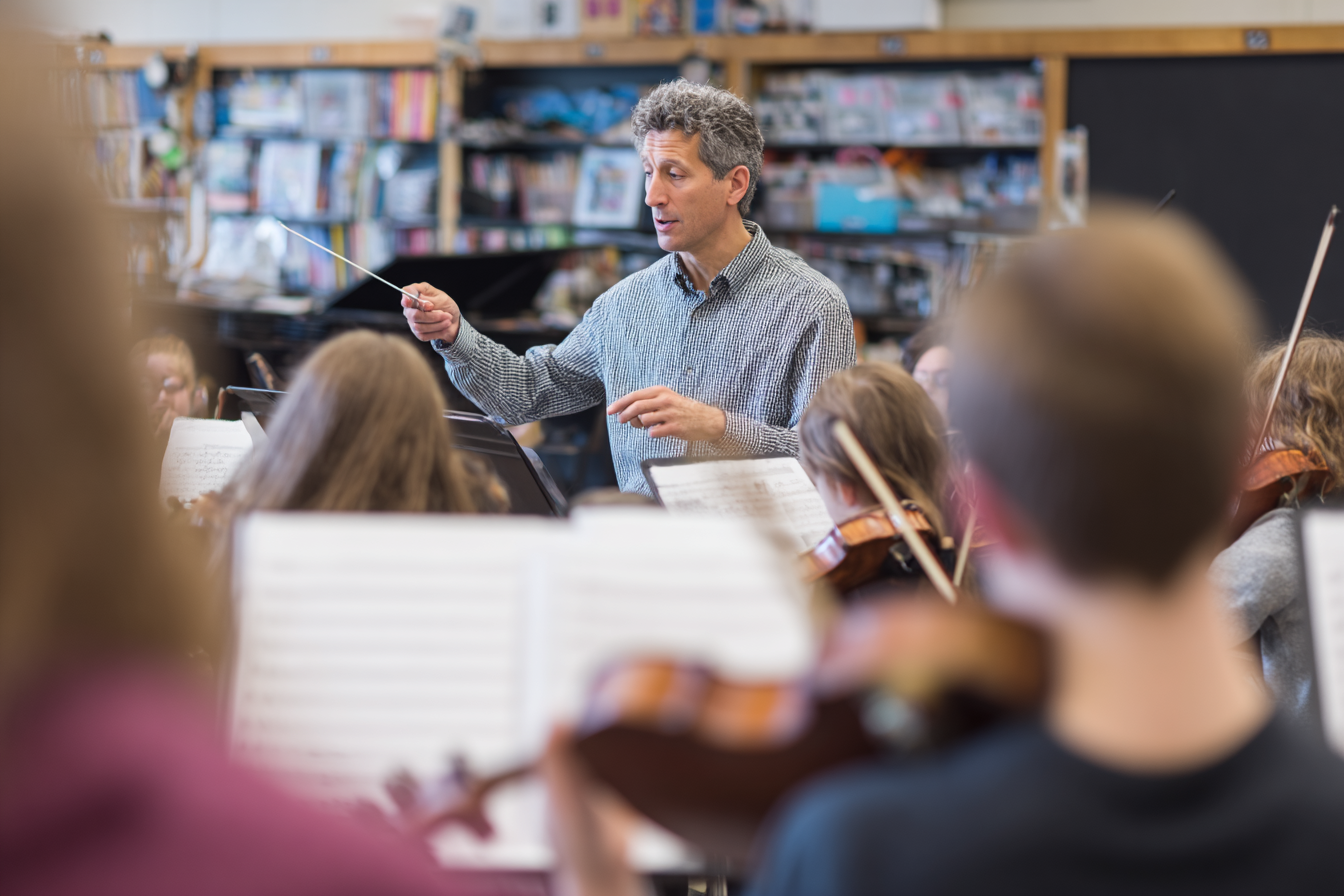
Focus: Evaluate ensemble progress using evidence from recordings and rubrics.
Grade Level: 6
Subject Area: Orchestra (Reflection • Evaluation • Rehearsal Strategies)
Total Unit Duration: 5 sessions (one week), 50–60 minutes per session
I. Introduction
In this unit, Grade 6 orchestra students step into the role of musician-evaluators, listening to their own performances and using clear criteria to measure growth. They compare earlier and current recordings, use a performance rubric to rate tone, intonation, rhythm accuracy, bow unity, and expression, and practice citing specific musical evidence to support their judgments. Finally, students create personal and ensemble goals based on their evaluations and plan concrete rehearsal strategies to keep improving.
Essential Questions
- How can recordings help us hear our progress more clearly than when we are just playing?
- What does it mean to evaluate a performance using criteria and evidence, not just opinions?
- How do feedback and goal-setting help us grow as an orchestra over time?
- What responsibilities do we have to use evaluations in a way that supports and encourages our ensemble?
II. Objectives and Standards
Learning Objectives — Students will be able to:
- Use a teacher-provided rubric to evaluate orchestra performances on tone, intonation, rhythm accuracy, bow unity, and expression.
- Cite specific musical evidence (measures or moments in a recording) to justify performance ratings.
- Compare at least two recordings (earlier vs. current) to identify areas of improvement and areas that still need work.
- Set individual and ensemble goals based on evaluation results and choose appropriate rehearsal strategies to address them.
- Communicate a brief reflection that explains how their playing and the ensemble’s performance have grown and what they will focus on next.
Standards Alignment — Grade 6 Orchestra (custom, NAfME-style)
- OR:Re9.6a — Evaluate orchestra performances using teacher-provided criteria (tone, intonation, rhythm accuracy, bow unity, expression) and justify ratings with evidence.
- Example: Students use a rubric and cite a specific spot where intonation was inconsistent.
- OR:Pr5.6b — Use teacher/peer feedback and rehearsal recordings to set goals and improve tone, intonation, rhythm accuracy, and ensemble unity over time.
- Example: Students listen to a recording and set a goal to improve intonation on a specific measure.
Success Criteria — Student Language
- I can use a rubric to evaluate our playing in a fair and specific way.
- I can point to exact spots in a recording to show where tone, intonation, rhythm, bow unity, or expression were strong or weak.
- I can see how our orchestra has improved over time by comparing earlier and later recordings.
- I can set realistic goals for myself and for our ensemble based on what I hear.
- I can explain how I will use feedback and practice strategies to keep improving.