Unit Plan 8 (Grade 6 Orchestra): Feedback Loops—Record, Listen, Improve
Grade 6 orchestra unit uses recordings and feedback to set goals and improve tone, intonation, rhythm accuracy, and ensemble unity.

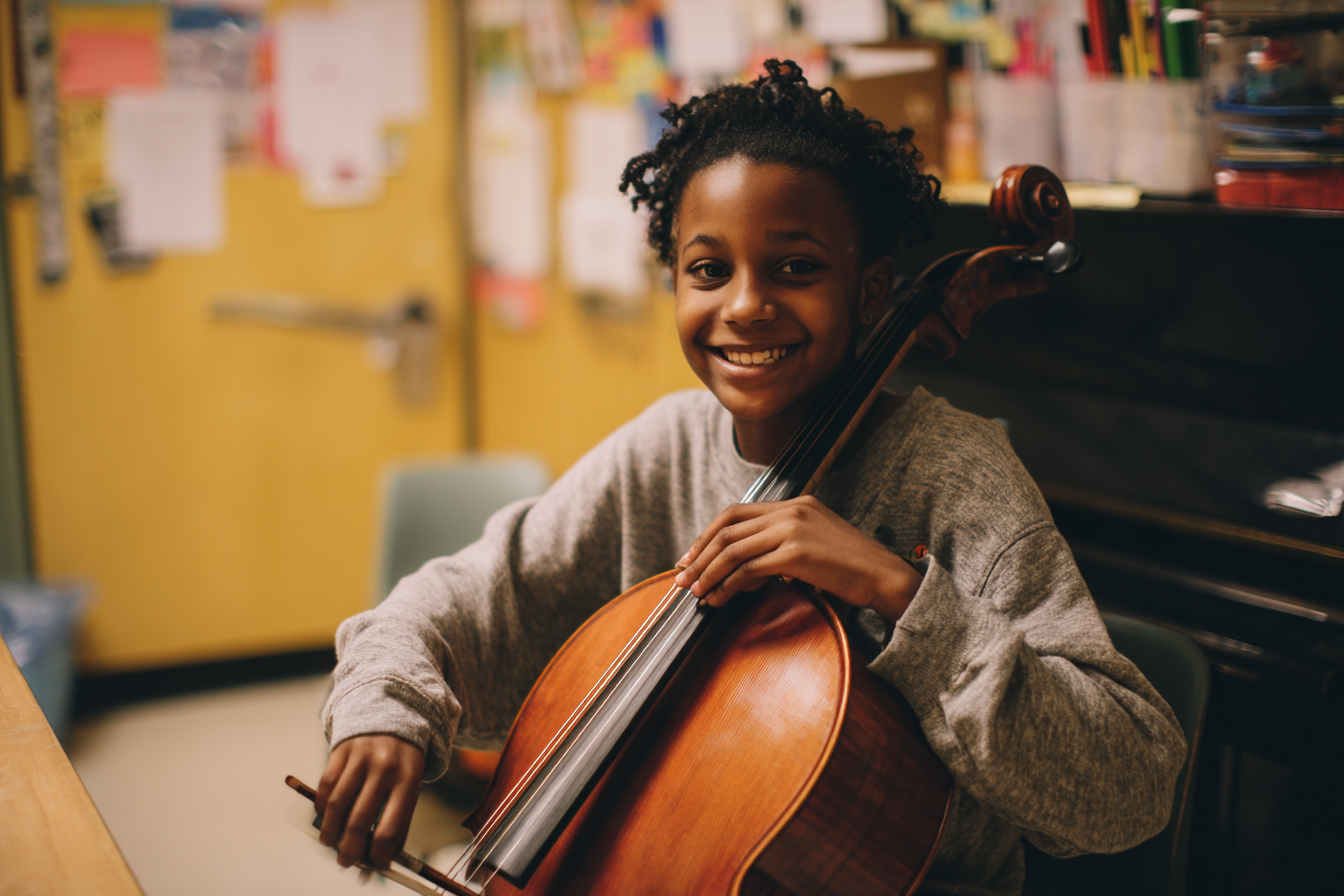
Focus: Use recordings and teacher/peer feedback to set clear targets and improve tone, intonation, rhythm accuracy, and ensemble unity over time.
Grade Level: 6
Subject Area: Orchestra (Practice Strategies • Reflection • Ensemble Skills)
Total Unit Duration: 5 sessions (one week), 50–60 minutes per session
I. Introduction
In this unit, Grade 6 orchestra students learn how feedback loops—recording, listening, reflecting, and trying again—can rapidly improve their playing. Instead of guessing what needs work, they use rehearsal recordings, teacher feedback, and peer observations to notice specific strengths and growth areas in tone, intonation, rhythm accuracy, and ensemble unity. Students then set simple, focused goals, practice with those targets in mind, and check their progress with follow-up listening. By the end of the week, they can describe how using feedback loops helps them become more independent, reflective musicians.
Essential Questions
- How can recordings and feedback help me hear my playing more clearly and improve faster?
- What should I listen for when checking tone, intonation, rhythm, and ensemble unity on a recording?
- How do I turn feedback into a specific, realistic goal and a practice plan?
- Why is it important to track progress over time instead of judging one performance only?
II. Objectives and Standards
Learning Objectives — Students will be able to:
- Use teacher and peer feedback to identify at least one strength and one area for improvement in their playing.
- Listen to a rehearsal recording and note specific observations about tone, intonation, rhythm accuracy, and ensemble unity.
- Set clear, measurable goals based on recordings and feedback (e.g., “cleaner entrances in measure 12,” “better intonation on D string”).
- Apply at least one practice strategy (slow practice, counting, looping, bow isolation, section practice) to work toward their goals.
- Create a short Feedback Loop Plan and Reflection showing how recording–listening–adjusting improved their performance.
Standards Alignment — Grade 6 Orchestra (custom, NAfME-style)
- OR:Pr5.6b — Use teacher/peer feedback and rehearsal recordings to set goals and improve tone, intonation, rhythm accuracy, and ensemble unity over time.
- Example: Students listen to a recording and set a goal to improve intonation on a specific measure.
Success Criteria — Student Language
- I can listen to a recording and describe what went well and what needs work in our playing.
- I can name a specific goal (tone, intonation, rhythm, or ensemble unity) based on feedback.
- I can use at least one practice strategy to work toward that goal.
- I can explain how my playing changed after using a feedback loop.
- I can help give kind, specific feedback to classmates using agreed criteria.