Unit Plan 17 (Grade 6 Orchestra): Rehearsing for Unity
Grade 6 orchestra unit teaches rehearsal strategies to improve ensemble timing, bow alignment, and accuracy using feedback and recordings for growth.

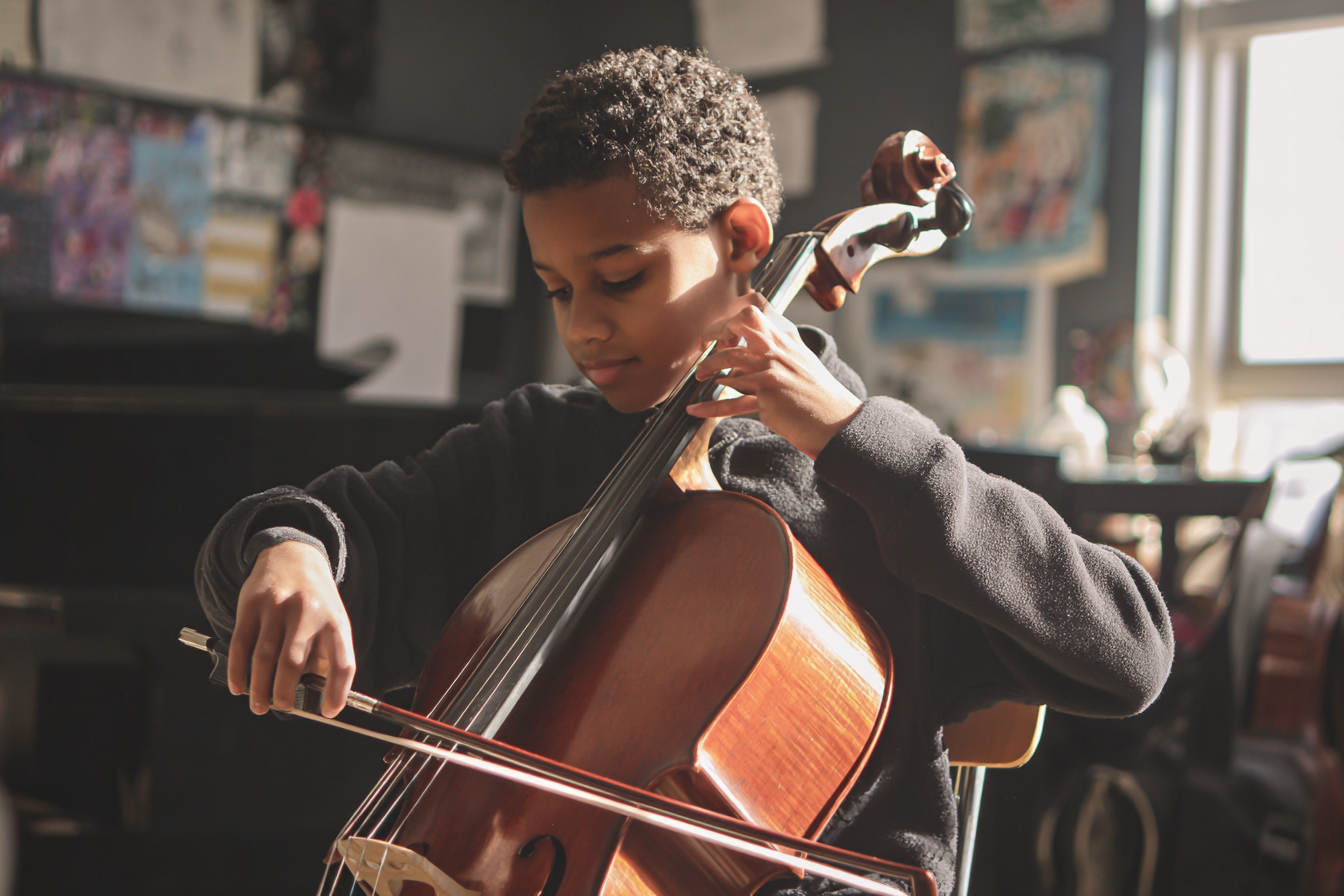
Focus: Use rehearsal strategies to improve ensemble timing, bowing alignment, and accuracy using feedback and recordings.
Grade Level: 6
Subject Area: Orchestra (Rehearsal Skills • Ensemble Unity • Self-Assessment)
Total Unit Duration: 5 sessions (one week), 50–60 minutes per session
I. Introduction
In this unit, Grade 6 orchestra students focus on how they practice together, not just what they play. They learn and apply specific rehearsal strategies—such as slow practice, counting aloud, looping tricky spots, bowing isolation, and section practice—to improve timing, bowing alignment, and overall accuracy. Students also use teacher/peer feedback and short rehearsal recordings to notice what the ensemble needs, set goals, and track improvement in intonation, rhythm accuracy, and ensemble unity over time.
Essential Questions
- How can rehearsal strategies like slow practice, counting, and looping help us fix tricky spots more efficiently?
- What does it look and sound like when an orchestra has strong ensemble timing and bowing alignment?
- How can feedback and recordings help us identify goals and measure our growth as an ensemble?
- What responsibilities does each player have during rehearsal to support ensemble unity and accuracy?
II. Objectives and Standards
Learning Objectives — Students will be able to:
- Use slow practice, counting aloud, looping, and bowing isolation to improve accuracy in specific measures.
- Participate in section practice that targets shared challenges and returns to full ensemble with improved timing and bow unity.
- Listen to short rehearsal recordings and identify at least one area for improvement in intonation, rhythm accuracy, or ensemble togetherness.
- Set and track at least one personal and one ensemble goal related to rehearsal (e.g., cleaner entrances, matching bow direction, steady tempo).
- Use musical vocabulary to describe how rehearsal strategies changed their performance quality and ensemble unity.
Standards Alignment — Grade 6 Orchestra (custom, NAfME-style)
- OR:Pr5.6a — Apply rehearsal strategies (slow practice, counting, looping, bowing isolation, section practice) to improve individual accuracy and ensemble timing.
- Example: Students isolate a bowing pattern, practice slowly, then rejoin the ensemble with correct timing.
- OR:Pr5.6b — Use teacher/peer feedback and rehearsal recordings to set goals and improve tone, intonation, rhythm accuracy, and ensemble unity over time.
- Example: Students listen to a recording and set a goal to improve intonation on a specific measure.
Success Criteria — Student Language
- I can use slow practice, counting, and looping to fix a tricky spot instead of just playing it fast and hoping it gets better.
- I can work in a section to line up bowings and entrances, then bring that improvement back to the full group.
- I can listen to a recording of our orchestra and point out where timing, intonation, or bow unity needs work.
- I can write or say a clear goal for my own playing and for our ensemble, and explain if we met it.
- I can describe how our rehearsal strategies helped our orchestra sound more together and accurate.