Unit Plan 5 (Grade 6 PE): Cooperative Missions & Problem Solving
Grade 6 cooperative challenges unit builds strategic planning, inclusive teamwork, conflict resolution, and positive communication in PE.

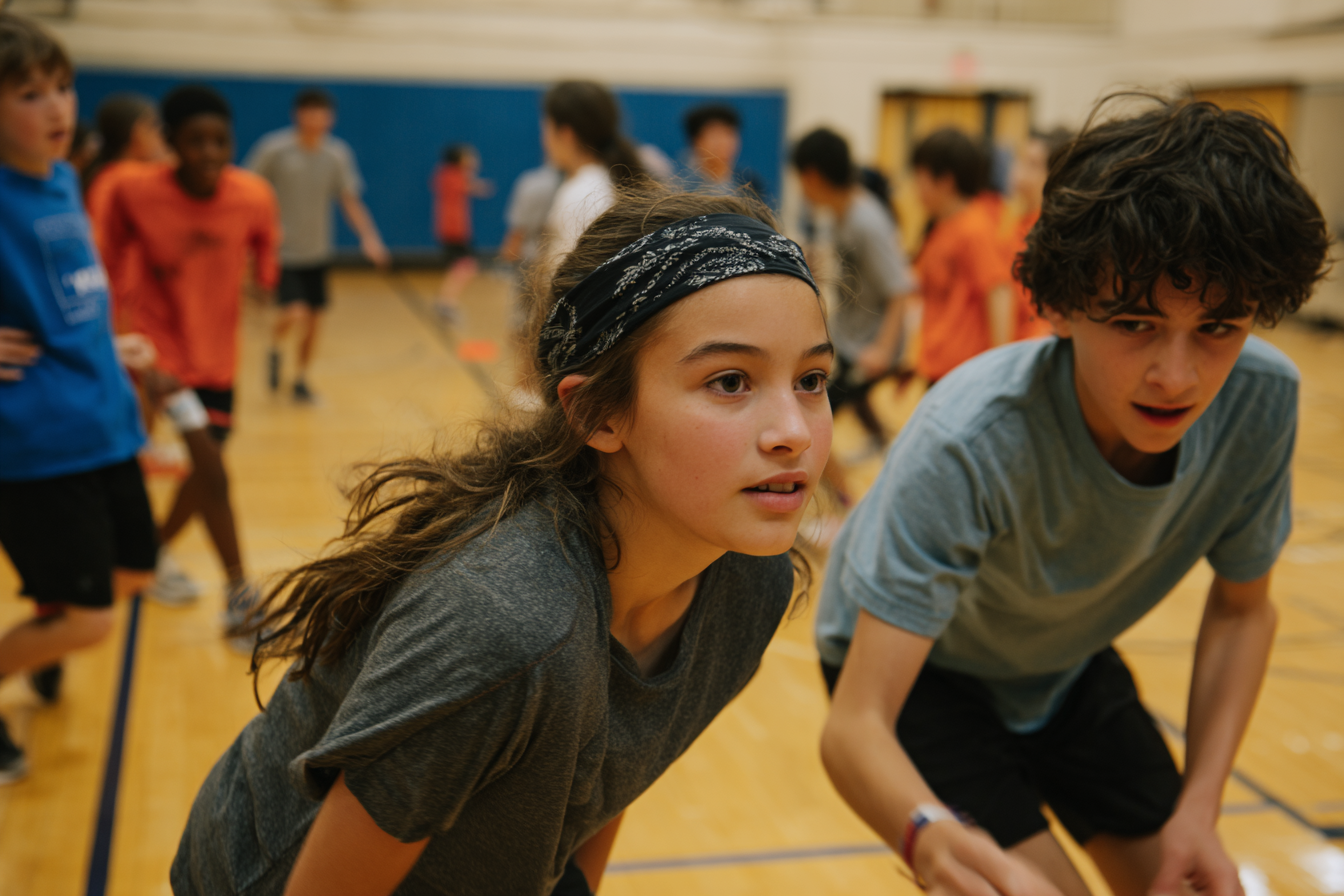
Focus: Strengthen strategic group planning, inclusive participation, and constructive communication through cooperative challenges that require students to solve movement problems together under mild pressure.
Grade Level: 6
Subject Area: Physical Education
Total Unit Duration: 5 sessions (one week), 45–55 minutes per session
I. Introduction
In this Grade 6 Physical Education unit, students work together to complete a series of cooperative missions that require planning, communication, patience, and shared responsibility. Instead of trying to beat another team through direct competition, students must solve physical challenges such as crossing spaces safely, transporting objects with limited tools, and working within specific rules and time limits. The unit emphasizes that success depends on how well students listen, include one another, manage frustration, and make thoughtful decisions as a group. Students also begin recognizing what kinds of roles and strengths they bring to a team setting, such as planning, encouraging, organizing, or problem solving. By the end of the week, students should be able to explain how cooperation, emotional control, and shared leadership improve group success in PE.
Essential Questions
- What helps a group solve a challenge efficiently and fairly?
- How can students communicate clearly and respectfully under pressure?
- What does inclusive participation look like during team problem-solving tasks?
- How do personal strengths help a group succeed in cooperative activities?
II. Objectives and Standards
Learning Objectives — Students will be able to:
- Work cooperatively with peers to solve movement and equipment-based challenges.
- Demonstrate leadership and inclusion by helping all group members participate meaningfully.
- Use self-control and positive communication when plans fail or disagreements occur.
- Apply fair strategies to resolve group disagreements and keep the task moving.
- Show responsibility with time, equipment, transitions, and task focus.
- Reflect on which cooperative roles and challenge types fit their personal strengths and preferences.
Standards Alignment — Grade 6 PE (SHAPE America-based custom)
- PE:S4.6b – Cooperation, Leadership, and Inclusive Participation Work cooperatively with diverse peers, assume and rotate leadership roles (captain, referee, coach, equipment manager), and intentionally include all group members.
- Example: A student helps organize a group plan, invites quieter classmates to share ideas, and makes sure everyone has a job during the challenge.
- PE:S4.6c – Self-Control, Sportsmanship, and Emotional Regulation Demonstrate self-control, positive sportsmanship, and emotional regulation in competitive and cooperative contexts, responding to wins, losses, and mistakes constructively.
- Example: When a team plan fails, students stay calm, reset, and try a new strategy instead of blaming each other.
- PE:S4.6d – Constructive Conflict Resolution and Self-Officiating Use fair, agreed-upon strategies to resolve disagreements and participate appropriately in self-officiated or peer-officiated games.
- Example: When teammates disagree about a rule or next step, they pause briefly, discuss respectfully, use a fair method if needed, and resume the task.
- PE:S4.6e – Responsibility, Initiative, and Self-Management Show responsibility by preparing for class, managing time and effort, caring for equipment, transitioning efficiently, and staying focused without constant teacher reminders.
- Example: Students collect materials, begin tasks promptly, manage equipment safely, and clean up without repeated reminders.
- PE:S5.6a – Identifying Enjoyable Activities and Personal Strengths Identify physical activities they enjoy and areas of strength, and explain why these activities are motivating or satisfying.
- Example: A student recognizes they enjoy problem-solving tasks, leadership roles, or teamwork-based activities and explains what makes those experiences engaging.
Success Criteria — Student Language
- I can work with my group to solve a challenge respectfully.
- I can help include everyone in the plan and the action.
- I can stay calm when a task is hard or a plan does not work.
- I can help solve disagreements fairly and move the challenge forward.
- I can manage equipment and time responsibly.
- I can identify strengths I bring to a cooperative team.