Unit Plan 4 (Grade 6 PE): Flag Football — Playbook & Coverage
Grade 6 flag football unit builds route running, play selection, throwing accuracy, and zone defense in structured 5v5 games.

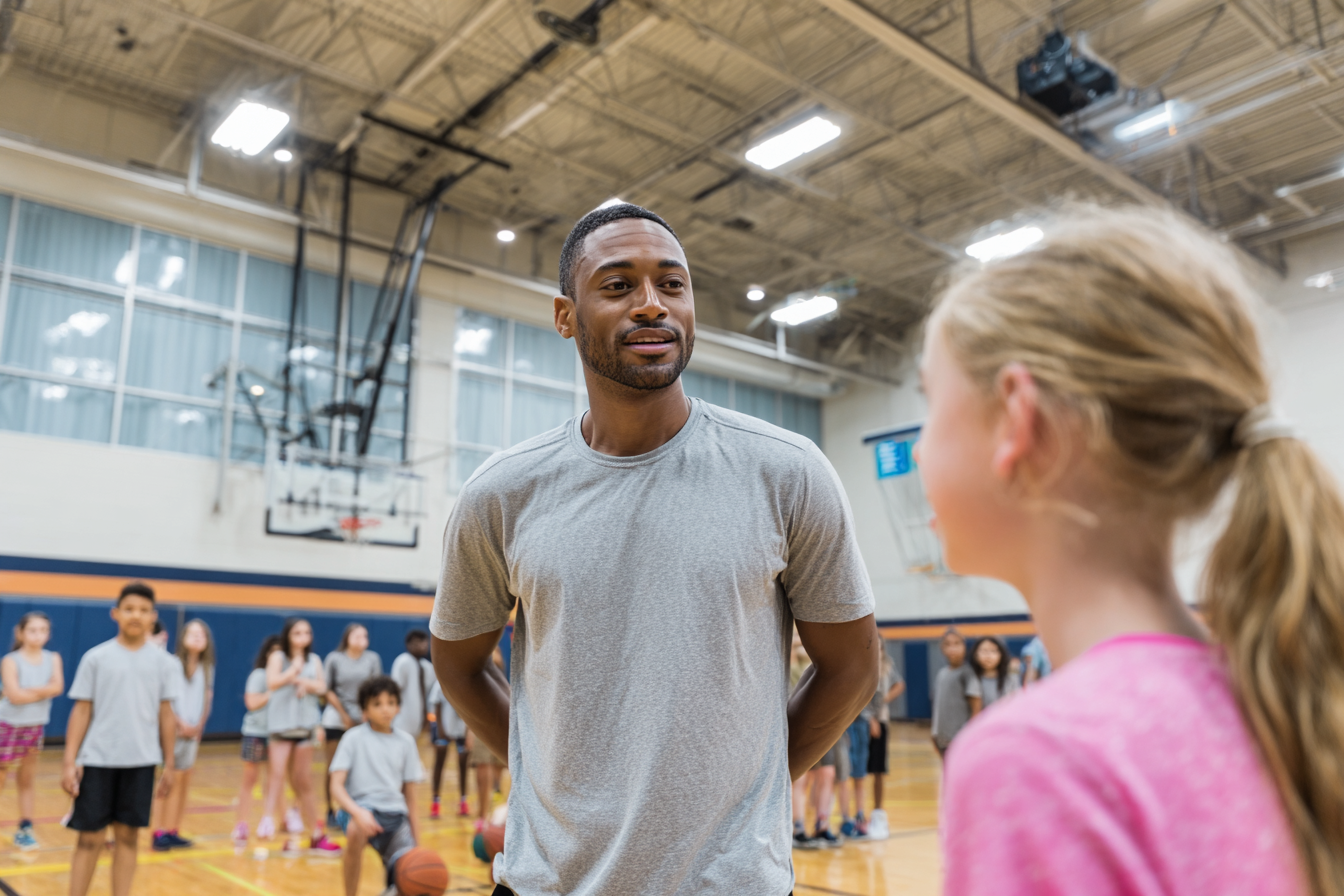
Focus: Develop stronger route running, clearer play selection, and better defensive coverage through simple 5v5 flag football with structured offensive and defensive roles.
Grade Level: 6
Subject Area: Physical Education
Total Unit Duration: 5 sessions (one week), 45–55 minutes per session
I. Introduction
In this Grade 6 Physical Education unit, students build their understanding of flag football by learning how offensive plays and defensive coverage work together in a team game. Through route practice, passing and catching under pressure, and structured 5v5 gameplay, students learn that success in flag football depends on much more than throwing far or running fast. Players must understand spacing, run routes with purpose, recognize what the defense is giving them, and work together to create higher-quality opportunities. On defense, students begin using containment, zone positioning, and help defense to prevent easy plays and recover when an opponent gets free. By the end of the week, students should be able to explain how a simple playbook and organized coverage can improve decision-making and team success in flag football.
Essential Questions
- How does a playbook help an offense stay organized and create better chances?
- What makes a route effective in small-sided flag football?
- How can defenders use containment and help defense to limit big plays?
- Why do spacing, communication, and self-control matter in a competitive team game?
II. Objectives and Standards
Learning Objectives — Students will be able to:
- Perform locomotor skills such as sprinting, cutting, stopping, and changing direction with greater control during game play.
- Throw and catch with better accuracy and timing while moving and under defensive pressure.
- Combine running, route cutting, receiving, passing, and defending in more fluid game sequences.
- Move to open space and maintain better offensive and defensive positioning.
- Apply simple offensive strategies such as running specific routes, choosing appropriate plays, and recognizing open teammates.
- Apply defensive strategies such as zone coverage, containment, and help defense.
- Work cooperatively, rotate leadership roles, and demonstrate sportsmanship and self-control in competitive situations.
Standards Alignment — Grade 6 PE (SHAPE America-based custom)
- PE:S1.6a – Locomotor Skills with Speed, Transitions, and Control Perform locomotor skills (run, sprint, shuffle, skip, leap, slide) with control, quickly transitioning between movements and adjusting speed in response to game demands.
- Example: In flag football, students sprint into routes, decelerate on cuts, and change direction sharply to get open or defend space.
- PE:S1.6c – Throwing & Catching with Accuracy in Dynamic Situations Throw and catch with accuracy and appropriate force in dynamic situations, including while moving, under pressure, or in contested game play.
- Example: In 5v5 flag football, students throw to moving teammates, catch while cutting, and complete passes under defensive pressure.
- PE:S1.6f – Integrating Multiple Skills in Fluid Game Sequences Combine multiple skills—such as dribbling, passing, catching, striking, running, dodging, and shooting—smoothly and appropriately during extended game sequences.
- Example: A student runs a slant route, catches the pass on the move, avoids a defender, and advances the ball before the defense closes in.
- PE:S2.6a – Space Awareness & Positioning in Team and Individual Games Demonstrate consistent understanding of offensive and defensive space by moving to open areas, adjusting position relative to teammates, opponents, and scoring areas.
- Example: In 5v5 flag football, students spread out on offense, fill route spaces, and position themselves to protect zones on defense.
- PE:S2.6d – Offensive Strategies: Creating and Exploiting Advantages Apply offensive strategies such as creating space, using give-and-go, setting simple screens, recognizing mismatches, and choosing high-percentage plays.
- Example: In flag football, students select a quick pass, run play, or deeper route based on the defense and the available space.
- PE:S2.6e – Defensive Strategies: Marking, Containment, and Help Defense Apply defensive principles such as marking a specific player, containing penetrations, maintaining good body position, and providing help defense when teammates are beaten.
- Example: Defenders stay between receivers and the end zone, watch their zone, and move to help when a teammate’s area is attacked.
- PE:S4.6b – Cooperation, Leadership, and Inclusive Participation Work cooperatively with diverse peers, assume and rotate leadership roles (captain, referee, coach, equipment manager), and intentionally include all group members.
- Example: Students work together to call plays, rotate leadership roles, and make sure all teammates are involved in the offense and defense.
- PE:S4.6c – Self-Control, Sportsmanship, and Emotional Regulation Demonstrate self-control, positive sportsmanship, and emotional regulation in competitive and cooperative contexts, responding to wins, losses, and mistakes constructively.
- Example: After a dropped pass, missed flag pull, or close game, students remain calm, reset, and continue playing respectfully.
Success Criteria — Student Language
- I can run routes with better control and purpose.
- I can throw and catch more accurately in game situations.
- I can help my team by using spacing and the playbook well.
- I can defend by containing, covering space, and helping teammates.
- I can show sportsmanship and self-control during competitive play.
- I can work with teammates and include everyone in the game.