Unit Plan 34 (Grade 6 PE): Intro to Officiating & Game Management
Grade 6 officiating unit builds rule knowledge, clear signals, fair decision-making, and respectful conflict resolution in small-sided games.

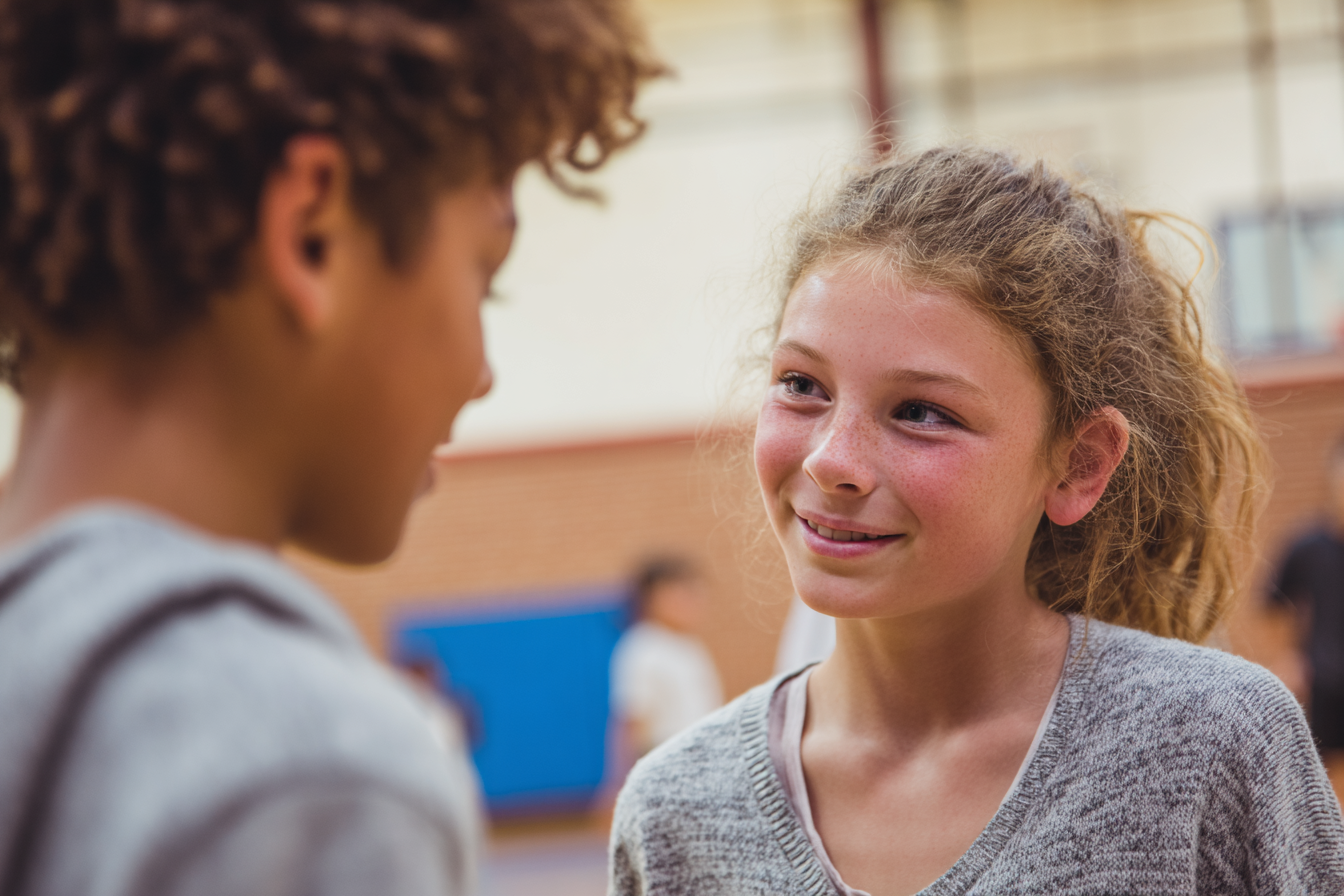
Focus: Build student understanding of rules, officiating signals, fair decision-making, and respectful conflict resolution while helping students stay composed as both players and officials.
Grade Level: 6
Subject Area: Physical Education
Total Unit Duration: 5 sessions (one week), 45–55 minutes per session
I. Introduction
In this Grade 6 Physical Education unit, students learn that games do not run well by skill alone. Fair play also depends on people who understand rules, communicate clearly, use consistent signals, and stay calm when calls are challenged. Through rotating small-sided games such as 3v3 basketball or handball and 4v4 soccer or flag-style activities, students take turns serving as both players and beginner officials. The unit emphasizes learning basic signals, applying rules consistently, making safe decisions, pausing to discuss close calls, and resolving disagreements respectfully. Students also reflect on how officiating can improve confidence, responsibility, and teamwork while helping games stay safe and enjoyable for everyone. By the end of the week, students should be able to explain how officiating and game management support physical activity, sportsmanship, and a positive class environment.
Essential Questions
- What makes an official’s decision feel fair and consistent?
- How do signals and clear communication help games run smoothly?
- What should players and officials do when there is a close or disputed call?
- How can officiating build leadership, responsibility, and respect in PE?
II. Objectives and Standards
Learning Objectives — Students will be able to:
- Move with control during small-sided games while transitioning between player and official roles.
- Follow and apply basic game rules and safety expectations consistently.
- Use beginner officiating signals such as in/out, foul, and start/stop appropriately.
- Work cooperatively in leadership roles such as referee, scorekeeper, captain, and equipment helper.
- Demonstrate self-control and sportsmanship when making, receiving, or disagreeing with calls.
- Resolve conflicts respectfully using the class conflict-resolution process.
- Show responsibility by rotating roles efficiently, managing equipment, and staying focused.
- Explain how organized games and positive officiating support physical, mental, and social well-being.
Standards Alignment — Grade 6 PE (SHAPE America-based custom)
- PE:S1.6a – Locomotor Skills with Speed, Transitions, and Control Perform locomotor skills (run, sprint, shuffle, skip, leap, slide) with control, quickly transitioning between movements and adjusting speed in response to game demands.
- Example: In small-sided games, students sprint into space, stop under control, and transition smoothly between offense, defense, and officiating responsibilities.
- PE:S4.6a – Consistent Rule-Following and Safety for Self & Others Consistently follow rules, procedures, and safety expectations, and model safe behavior with equipment, space, and classmates.
- Example: Students respect boundaries, stop on signals, apply safety rules during play, and help keep games under control as officials.
- PE:S4.6b – Cooperation, Leadership, and Inclusive Participation Work cooperatively with diverse peers, assume and rotate leadership roles (captain, referee, coach, equipment manager), and intentionally include all group members.
- Example: Students rotate fairly through referee and support roles, communicate respectfully, and make sure all classmates remain included in game play.
- PE:S4.6c – Self-Control, Sportsmanship, and Emotional Regulation Demonstrate self-control, positive sportsmanship, and emotional regulation in competitive and cooperative contexts, responding to wins, losses, and mistakes constructively.
- Example: Students respond calmly to close calls, respect officials, and continue play without negative arguing or blaming.
- PE:S4.6d – Constructive Conflict Resolution and Self-Officiating Use fair, agreed-upon strategies to resolve disagreements and participate appropriately in self-officiated or peer-officiated games.
- Example: When a disputed call happens, students stop briefly, explain the situation calmly, use the class process, and restart fairly.
- PE:S4.6e – Responsibility, Initiative, and Self-Management Show responsibility by preparing for class, managing time and effort, caring for equipment, transitioning efficiently, and staying focused without constant teacher reminders.
- Example: Students rotate quickly, manage equipment, track scores honestly, and stay ready for their next role during game stations.
- PE:S5.6b – Recognizing Physical, Mental, and Social Benefits of Activity Describe how consistent physical activity contributes to physical health, mental well-being (mood, stress), and social benefits (friendships, teamwork, sense of belonging).
- Example: Students reflect that organized, respectful games make activity more enjoyable, reduce stress from conflict, and help classmates feel included and connected.
Success Criteria — Student Language
- I can move with control during small-sided games.
- I can use basic officiating signals correctly.
- I can make fair calls and explain them clearly.
- I can stay calm when I disagree with a decision.
- I can rotate through player and official roles responsibly.
- I can help games feel safe, fair, and respectful for everyone.