Unit Plan 16 (Grade 6 PE): Kickball — Situational Strategy
Grade 6 kickball unit builds smarter offensive and defensive decisions, role-based positioning, and clear team communication through strategy play.

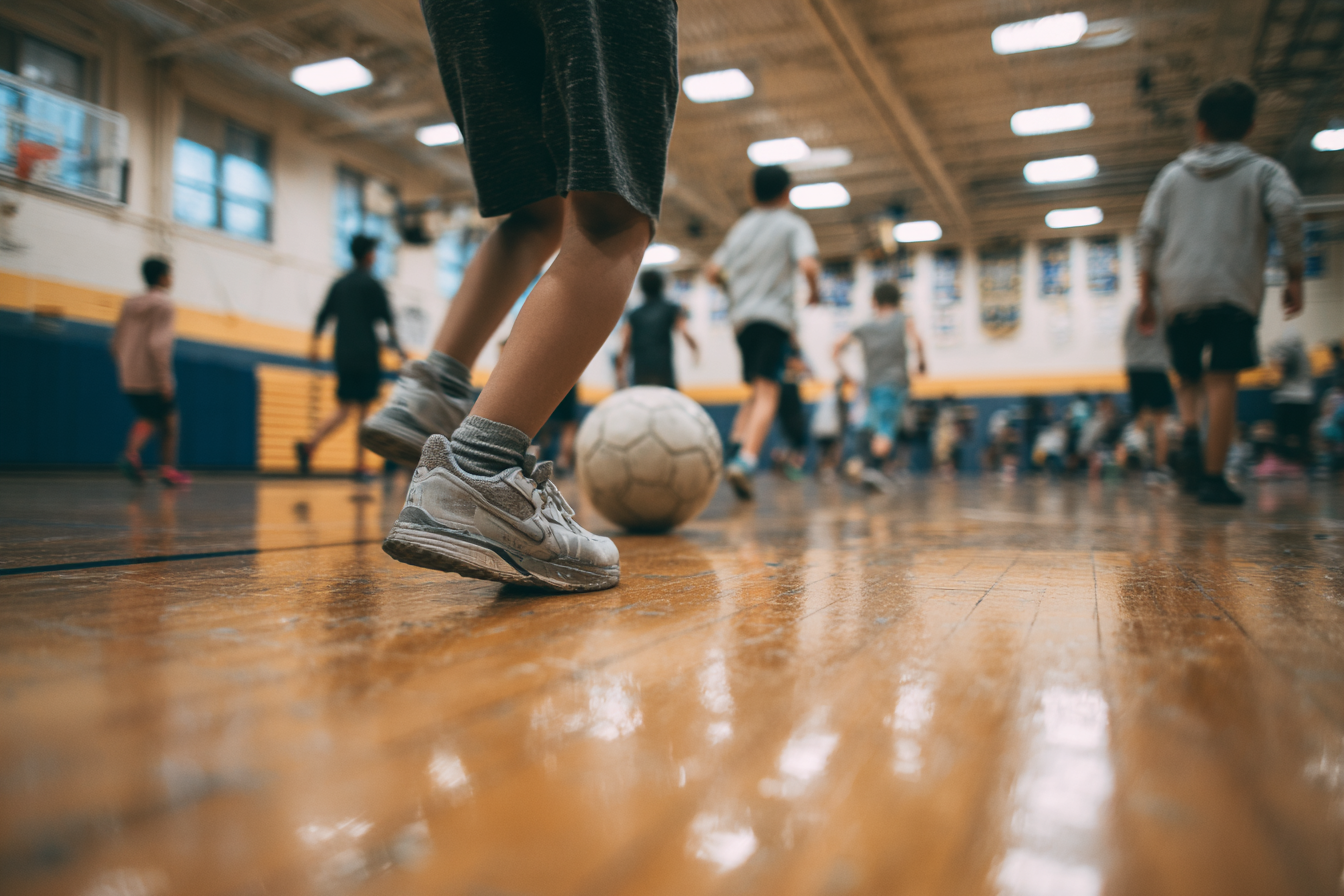
Focus: Strengthen decision-making on offense and defense, improve positioning by role, and build clearer team communication through kickball situations and strategy-based game play.
Grade Level: 6
Subject Area: Physical Education
Total Unit Duration: 5 sessions (one week), 45–55 minutes per session
I. Introduction
In this Grade 6 Physical Education unit, students move beyond simply kicking and running by learning how to make smarter decisions during real kickball situations. Through targeted kicking practice, base-running work, and game play with teacher-created scenarios, students learn that success in kickball depends on much more than kicking the ball far. Players must think about where to kick, when to run, where to throw, which base to protect, and how to communicate with teammates in fast-changing situations. The unit emphasizes controlled kicking, efficient movement between bases, defensive positioning, and choosing the best play instead of the most obvious one. By the end of the week, students should be able to explain how situational awareness and teamwork improve both offensive and defensive performance in kickball.
Essential Questions
- How can players make better situational decisions in kickball?
- What helps a team choose the best play on defense?
- How can kickers and runners use placement and timing to create advantages?
- Why do communication and role responsibility matter during game situations?
II. Objectives and Standards
Learning Objectives — Students will be able to:
- Perform locomotor skills such as sprinting, stopping, changing direction, and rounding bases with improved control.
- Kick with better placement and force based on field position and game situation.
- Combine kicking, running, fielding support, and base-play decisions in more fluid game sequences.
- Adjust force, angle, timing, and effort based on offensive or defensive goals.
- Apply offensive strategies such as kicking to open space, advancing wisely, and reading game situations.
- Apply defensive strategies such as field positioning, choosing the correct base, and helping on developing plays.
- Work cooperatively, communicate clearly, and support all group members during strategy-focused play.
Standards Alignment — Grade 6 PE (SHAPE America-based custom)
- PE:S1.6a – Locomotor Skills with Speed, Transitions, and Control Perform locomotor skills (run, sprint, shuffle, skip, leap, slide) with control, quickly transitioning between movements and adjusting speed in response to game demands.
- Example: In kickball, students sprint between bases, round under control, stop quickly when needed, and change direction based on the live play.
- PE:S1.6d – Kicking, Dribbling & Ball Control with Feet in Game Play Control, dribble, pass, and shoot a ball with the feet using both dominant and non-dominant sides, adjusting force and angle to meet tactical needs.
- Example: In kickball, students use controlled kicks to place the ball into open field zones rather than just kicking as hard as possible.
- PE:S1.6f – Integrating Multiple Skills in Fluid Game Sequences Combine multiple skills—such as dribbling, passing, catching, striking, running, dodging, and shooting—smoothly and appropriately during extended game sequences.
- Example: A student kicks to space, sprints to first, reads the field, rounds the base under control, and advances or stops based on the play.
- PE:S2.6c – Adjusting Effort, Force, Angle, and Timing Based on Context Adjust speed, effort, force, angle, and timing of movements and skills according to distance, defensive pressure, and scoring or placement goals.
- Example: A student chooses a softer placement kick to avoid fielders or a firmer kick to drive the ball deeper when space is available.
- PE:S2.6d – Offensive Strategies: Creating and Exploiting Advantages Apply offensive strategies such as creating space, using give-and-go, setting simple screens, recognizing mismatches, and choosing high-percentage plays.
- Example: In kickball, students use smart placement kicks, aggressive but controlled base running, and communication to create scoring chances.
- PE:S2.6e – Defensive Strategies: Marking, Containment, and Help Defense Apply defensive principles such as marking a specific player, containing penetrations, maintaining good body position, and providing help defense when teammates are beaten.
- Example: Fielders protect important bases, back up throws, communicate the best play, and help cover open space when a teammate fields the ball.
- PE:S4.6b – Cooperation, Leadership, and Inclusive Participation Work cooperatively with diverse peers, assume and rotate leadership roles (captain, referee, coach, equipment manager), and intentionally include all group members.
- Example: Teammates communicate defensive responsibilities, encourage all kickers and runners, and share leadership in huddles and strategy discussions.
Success Criteria — Student Language
- I can kick with better placement and control.
- I can run bases with better timing and awareness.
- I can help my team choose the best play on defense.
- I can communicate clearly during live game situations.
- I can adjust my decisions based on outs, runners, and field position.
- I can support teammates and stay involved in team strategy.