Unit Plan 28 (Grade 6 PE): Large-Group Strategy Games
Grade 6 large-group games unit builds role clarity, zone strategy, communication, and emotional control in Capture the Flag, Medic, and Treasure Island.

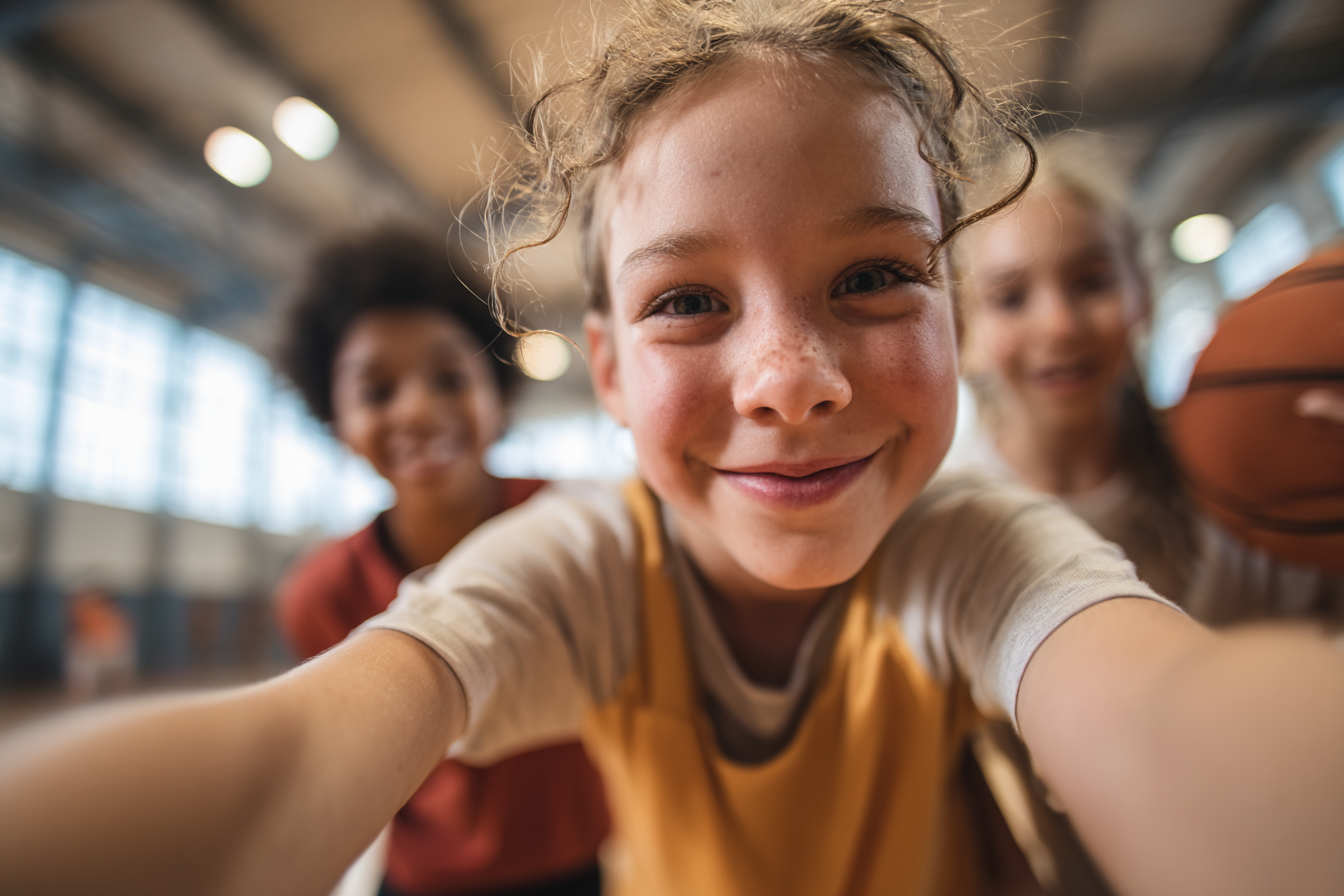
Focus: Help students apply tactic concepts such as roles, zones, and communication in large-group games while also practicing self-control and managing competitive emotions.
Grade Level: 6
Subject Area: Physical Education
Total Unit Duration: 5 sessions (one week), 45–55 minutes per session
I. Introduction
In this Grade 6 Physical Education unit, students apply movement, space awareness, and team strategy in large-group games that require more than simply running hard or reacting quickly. Through Capture the Flag, Treasure Island, and Medic, students learn how large-group success depends on assigning roles, protecting important zones, communicating clearly, and using smart movement patterns to create advantages. The unit emphasizes how offensive and defensive thinking changes when more players share the same space and when emotions rise during competitive moments. Students also practice respectful conflict resolution, fair play, and leadership through student captain roles and short team strategy huddles. By the end of the week, students should be able to explain how tactical movement, communication, and emotional control improve performance in large-group strategy games.
Essential Questions
- How do roles and zones help teams organize in large-group games?
- How can players use pathways, feints, and space to gain an advantage?
- What helps a team stay organized and communicate clearly during fast-moving games?
- How can students manage competitive emotions and solve disagreements fairly?
II. Objectives and Standards
Learning Objectives — Students will be able to:
- Use locomotor skills such as sprinting, shuffling, stopping, and changing direction with better control during large-group strategy games.
- Move into open space and adjust positioning based on teammates, opponents, and game zones.
- Use varied pathways, feints, and direction changes to avoid defenders or protect space.
- Work cooperatively in large teams by taking on roles, following plans, and including all group members.
- Show self-control and sportsmanship during competition and after close calls or losses.
- Resolve disagreements fairly using teacher-approved self-officiating methods.
- Reflect on personal strengths and preferences within team strategy games.
Standards Alignment — Grade 6 PE (SHAPE America-based custom)
- PE:S1.6a – Locomotor Skills with Speed, Transitions, and Control Perform locomotor skills (run, sprint, shuffle, skip, leap, slide) with control, quickly transitioning between movements and adjusting speed in response to game demands.
- Example: In large-group games, students sprint into open space, decelerate under control, and change direction quickly to evade defenders or protect important zones.
- PE:S2.6a – Space Awareness & Positioning in Team and Individual Games Demonstrate consistent understanding of offensive and defensive space by moving to open areas, adjusting position relative to teammates, opponents, and scoring areas.
- Example: In Capture the Flag or Treasure Island, students avoid crowding, spread into lanes, and protect key zones instead of chasing everywhere at once.
- PE:S2.6b – Using Pathways, Levels, and Feints to Create Advantage Use varied pathways (straight, curved, diagonal, zigzag), levels (high, medium, low), and feints/fakes to create offensive opportunities or deny space on defense.
- Example: A student uses a hesitation move, curved run, or quick fake to avoid a tagger and enter a scoring zone.
- PE:S4.6b – Cooperation, Leadership, and Inclusive Participation Work cooperatively with diverse peers, assume and rotate leadership roles (captain, referee, coach, equipment manager), and intentionally include all group members.
- Example: Student captains help assign balanced roles, encourage quieter players, and make sure team plans include everyone.
- PE:S4.6c – Self-Control, Sportsmanship, and Emotional Regulation Demonstrate self-control, positive sportsmanship, and emotional regulation in competitive and cooperative contexts, responding to wins, losses, and mistakes constructively.
- Example: After getting tagged out or losing a close round, a student remains calm, resets, and continues playing respectfully.
- PE:S4.6d – Constructive Conflict Resolution and Self-Officiating Use fair, agreed-upon strategies to resolve disagreements and participate appropriately in self-officiated or peer-officiated games.
- Example: When players disagree about a tag or boundary call, they stop briefly, use the class process, and restart fairly without arguing.
- PE:S5.6a – Identifying Enjoyable Activities and Personal Strengths Identify physical activities they enjoy and areas of strength, and explain why these activities are motivating or satisfying.
- Example: Students recognize that they enjoy strategy-based team games and may identify strengths such as speed, defense, communication, or leadership.
Success Criteria — Student Language
- I can move with speed and control in large-group games.
- I can use space and zones better during team play.
- I can use feints and different pathways to avoid defenders or protect space.
- I can take on a team role and help my group communicate.
- I can stay calm and respectful during competition.
- I can help solve disagreements fairly.
- I can identify what role or type of strategy game fits my strengths best.