Unit Plan 29 (Grade 6 PE): Net/Wall Game Mix (Four-Square & Wall Ball)
Grade 6 net/wall unit builds striking control, rebound anticipation, and fair self-officiating through Four-Square and Wall Ball games.

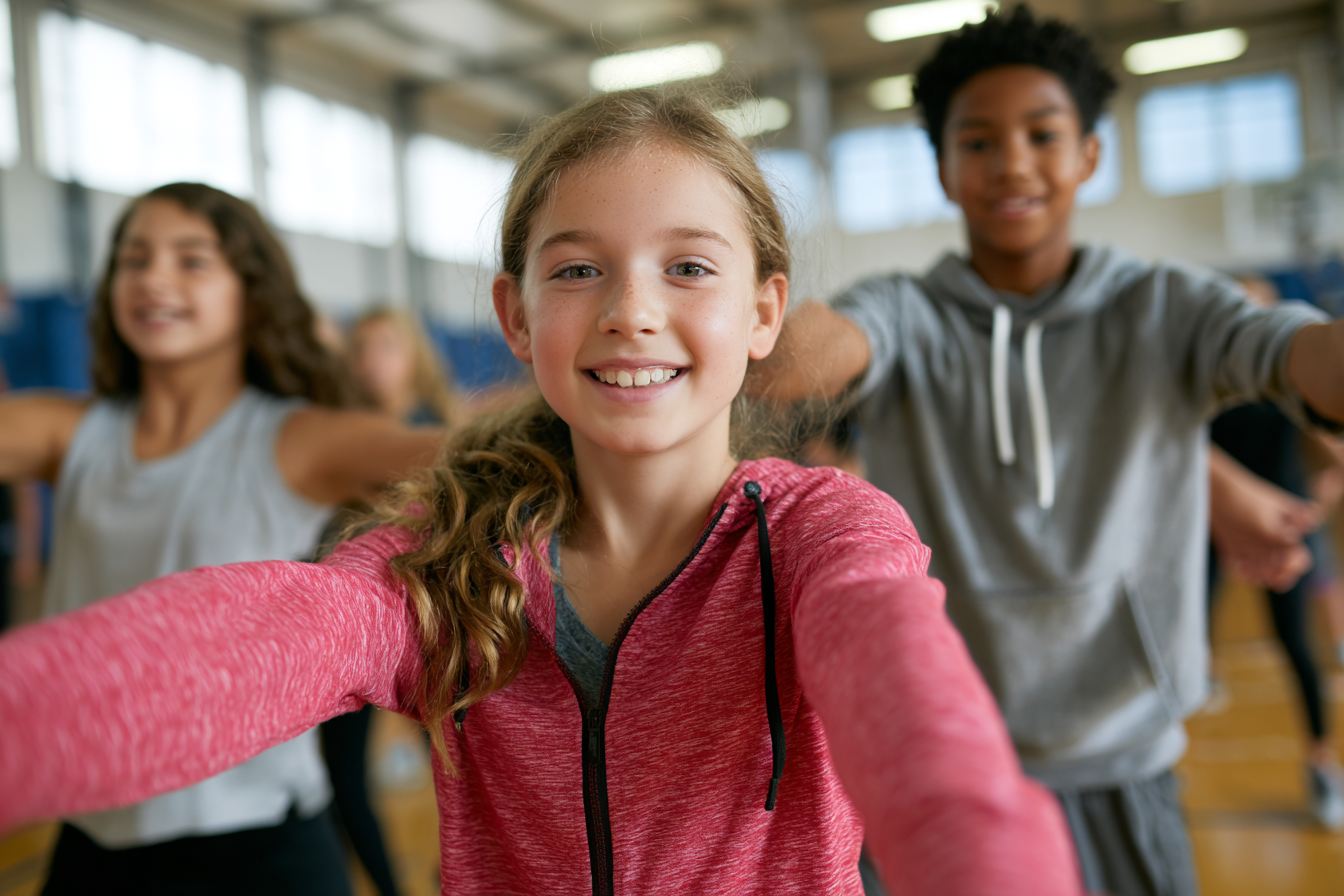
Focus: Improve striking control, strengthen ability to anticipate ball trajectory, and practice fair conflict resolution through Four-Square and Wall Ball.
Grade Level: 6
Subject Area: Physical Education
Total Unit Duration: 5 sessions (one week), 45–55 minutes per session
I. Introduction
In this Grade 6 Physical Education unit, students build net/wall game skills through playground-style activities that require control, quick reactions, and fair decision-making. Through hand-striking drills, Four-Square ladders, and Wall Ball variations, students learn how to send a ball with purpose, move early to the correct spot, and read rebounds before the ball arrives. The unit emphasizes that success in these games comes from more than quick hands. Students must also understand spacing, adjust striking force and angle, follow safety rules, and solve close calls respectfully without letting disagreements take over the game. By the end of the week, students should be able to explain how control, anticipation, and self-officiating improve performance in net/wall activities.
Essential Questions
- How can players strike for more control in Four-Square and Wall Ball?
- What helps students better anticipate ball trajectory and move into position?
- How do force, angle, and timing change the result of a strike?
- What does fair self-officiating look like in playground-style games?
II. Objectives and Standards
Learning Objectives — Students will be able to:
- Strike a ball with better direction, control, and consistency using forehand and backhand-style hand contacts.
- Move into open space and adjust position based on rebounds, opponents, and playable angles.
- Adjust force, angle, timing, and effort to create different ball paths in wall and square games.
- Follow safety expectations and game procedures consistently.
- Resolve disagreements fairly and continue game play respectfully.
- Reflect on which net/wall game skills or formats best match personal strengths and interests.
Standards Alignment — Grade 6 PE (SHAPE America-based custom)
- PE:S1.6e – Striking with Implements for Direction, Power, and Consistency Strike stationary and moving objects with short- and long-handled implements (paddle, racket, bat, stick) with consistent contact, controlled power, and intended direction.
- Example: In Four-Square and Wall Ball, students use open-hand striking skills to send the ball to intended spaces with controlled force and direction.
- PE:S2.6a – Space Awareness & Positioning in Team and Individual Games Demonstrate consistent understanding of offensive and defensive space by moving to open areas, adjusting position relative to teammates, opponents, and scoring areas.
- Example: In Four-Square and Wall Ball, students move early to playable spots, avoid crowding, and recover to effective ready positions after each strike.
- PE:S2.6c – Adjusting Effort, Force, Angle, and Timing Based on Context Adjust speed, effort, force, angle, and timing of movements and skills according to distance, defensive pressure, and scoring or placement goals.
- Example: Students use a softer touch for short control shots, a firmer strike for deeper placement, or an angled contact to create a harder return.
- PE:S4.6a – Consistent Rule-Following and Safety for Self & Others Consistently follow rules, procedures, and safety expectations, and model safe behavior with equipment, space, and classmates.
- Example: Students respect boundaries, wait for clear space, avoid unsafe reaches, and follow game rotation procedures responsibly.
- PE:S4.6d – Constructive Conflict Resolution and Self-Officiating Use fair, agreed-upon strategies to resolve disagreements and participate appropriately in self-officiated or peer-officiated games.
- Example: When students disagree about whether a ball was in or out, they use the class resolution process and restart play calmly.
- PE:S5.6a – Identifying Enjoyable Activities and Personal Strengths Identify physical activities they enjoy and areas of strength, and explain why these activities are motivating or satisfying.
- Example: Students recognize whether they enjoy reaction-based, control-based, or competitive ladder games and identify strengths such as anticipation, placement, or consistency.
Success Criteria — Student Language
- I can strike the ball with better control.
- I can move earlier to the right space before the ball arrives.
- I can change force and angle to create different shots.
- I can follow game and safety rules consistently.
- I can solve disagreements fairly and keep the game moving.
- I can explain which net/wall game fits my strengths best.