Unit Plan 25 (Grade 6 PE): Rugby-Style Flag Games
Grade 6 rugby-style flag unit builds support angles, controlled backward passing, defensive line integrity, and safe small-sided play.

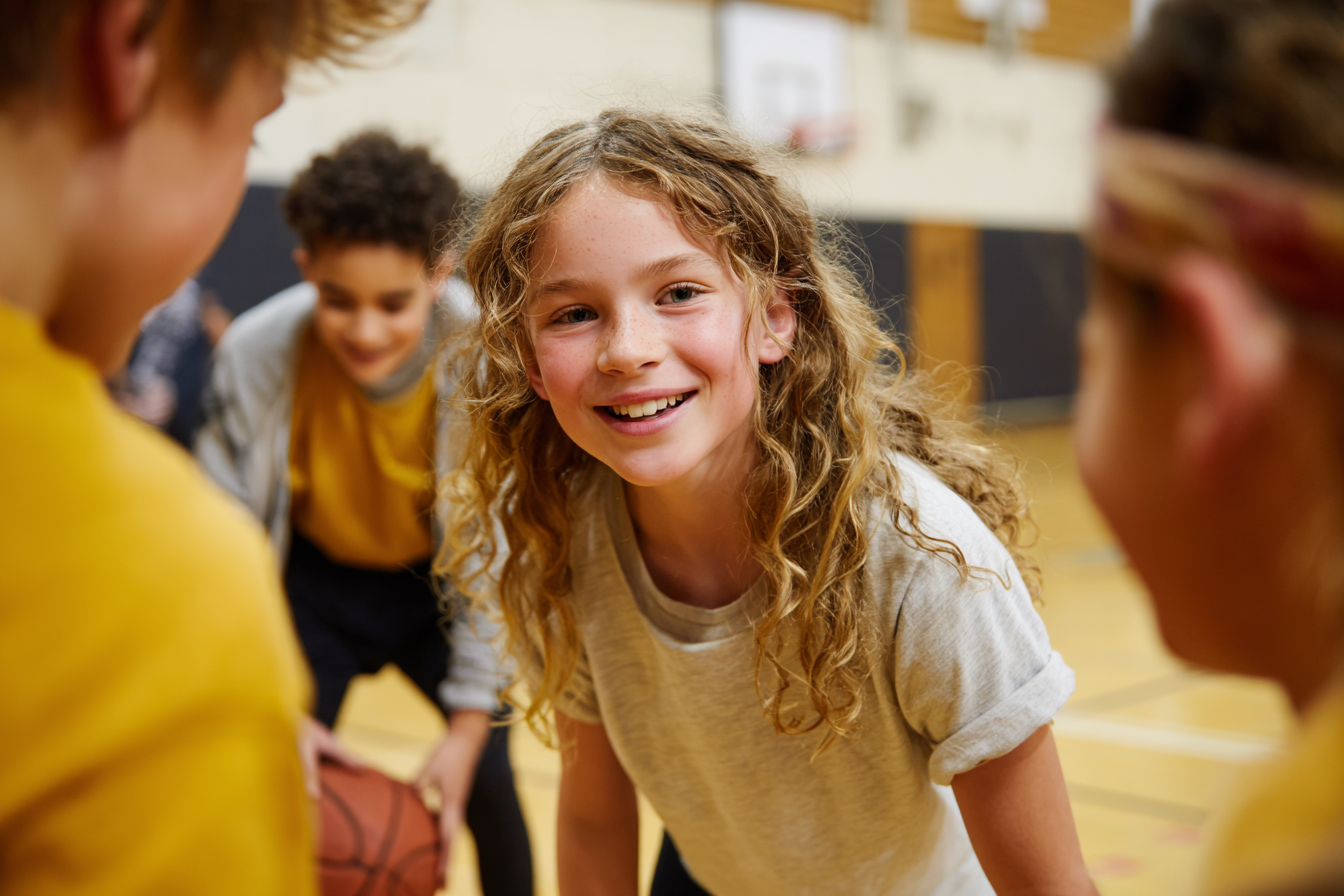
Focus: Develop better supporting angles, more accurate backward passing under control, and stronger defensive line integrity through small-sided rugby-style flag games.
Grade Level: 6
Subject Area: Physical Education
Total Unit Duration: 5 sessions (one week), 45–55 minutes per session
I. Introduction
In this Grade 6 Physical Education unit, students explore the basic tactical ideas of rugby-style flag games through modified, safety-focused play. Through passing in motion, support running, phase play, and small-sided games, students learn that success depends on teamwork, spacing, and quick decision-making rather than individual speed alone. The unit emphasizes moving in support behind or beside the ball carrier, making accurate lateral/backward passes, and keeping a connected defensive line that protects space. Students also learn to follow important safety expectations such as controlled tagging, safe spacing, and immediate stops on signal. By the end of the week, students should be able to explain how support movement, simple offensive structure, and team defense improve rugby-style flag game play.
Essential Questions
- How do supporting angles help a team keep possession in rugby-style games?
- Why must passes travel lateral or backward instead of forward?
- What helps a defense keep its line integrity?
- How do safety and teamwork improve play in flag-based invasion games?
II. Objectives and Standards
Learning Objectives — Students will be able to:
- Move with speed and control while supporting the ball carrier or recovering on defense.
- Combine running, passing, catching, support movement, and defensive recovery more smoothly during live play.
- Use space well by staying in support lanes and avoiding crowding around the ball.
- Apply offensive strategies such as maintaining width, using support angles, and keeping possession through phases.
- Apply defensive strategies such as staying in line, containing attacks, and helping when a teammate is beaten.
- Follow all safety rules and work cooperatively with teammates during gameplay.
Standards Alignment — Grade 6 PE (SHAPE America-based custom)
- PE:S1.6a – Locomotor Skills with Speed, Transitions, and Control Perform locomotor skills (run, sprint, shuffle, skip, leap, slide) with control, quickly transitioning between movements and adjusting speed in response to game demands.
- Example: In rugby-style flag games, students run support lines, stop under control, and change direction quickly when possession changes.
- PE:S1.6f – Integrating Multiple Skills in Fluid Game Sequences Combine multiple skills—such as dribbling, passing, catching, striking, running, dodging, and shooting—smoothly and appropriately during extended game sequences.
- Example: A student runs in support, catches a backward pass, advances, and passes again while teammates reorganize around the play.
- PE:S2.6a – Space Awareness & Positioning in Team and Individual Games Demonstrate consistent understanding of offensive and defensive space by moving to open areas, adjusting position relative to teammates, opponents, and scoring areas.
- Example: In 5v5 play, students spread out behind the ball, stay in passing lanes, and maintain a connected defensive shape.
- PE:S2.6d – Offensive Strategies: Creating and Exploiting Advantages Apply offensive strategies such as creating space, using give-and-go, setting simple screens, recognizing mismatches, and choosing high-percentage plays.
- Example: In rugby-style games, students use width, support angles, and short controlled passes to keep the ball moving and attack space.
- PE:S2.6e – Defensive Strategies: Marking, Containment, and Help Defense Apply defensive principles such as marking a specific player, containing penetrations, maintaining good body position, and providing help defense when teammates are beaten.
- Example: Students stay in a defensive line, move together laterally, and help close gaps if one defender misses a flag pull.
- PE:S4.6a – Consistent Rule-Following and Safety for Self & Others Consistently follow rules, procedures, and safety expectations, and model safe behavior with equipment, space, and classmates.
- Example: Students use safe flag pulls, avoid contact, stop on whistle, and respect boundary lines.
- PE:S4.6b – Cooperation, Leadership, and Inclusive Participation Work cooperatively with diverse peers, assume and rotate leadership roles (captain, referee, coach, equipment manager), and intentionally include all group members.
- Example: Teams communicate support positions, include all players in offensive phases, and use positive leadership during huddles and restarts.
Success Criteria — Student Language
- I can run in better support angles behind or beside the ball carrier.
- I can make a controlled backward pass while moving.
- I can stay in a strong defensive line with my teammates.
- I can help my team keep possession through simple phases.
- I can follow safety rules and use safe flag pulls.
- I can communicate and include teammates during the game.