Unit Plan 12 (Grade 6 PE): Tennis/Pickleball — Serve & Rally
Grade 6 net games unit builds forehand and backhand control, serve accuracy, rally consistency, and simple placement tactics in mini-court tennis and pickleball.

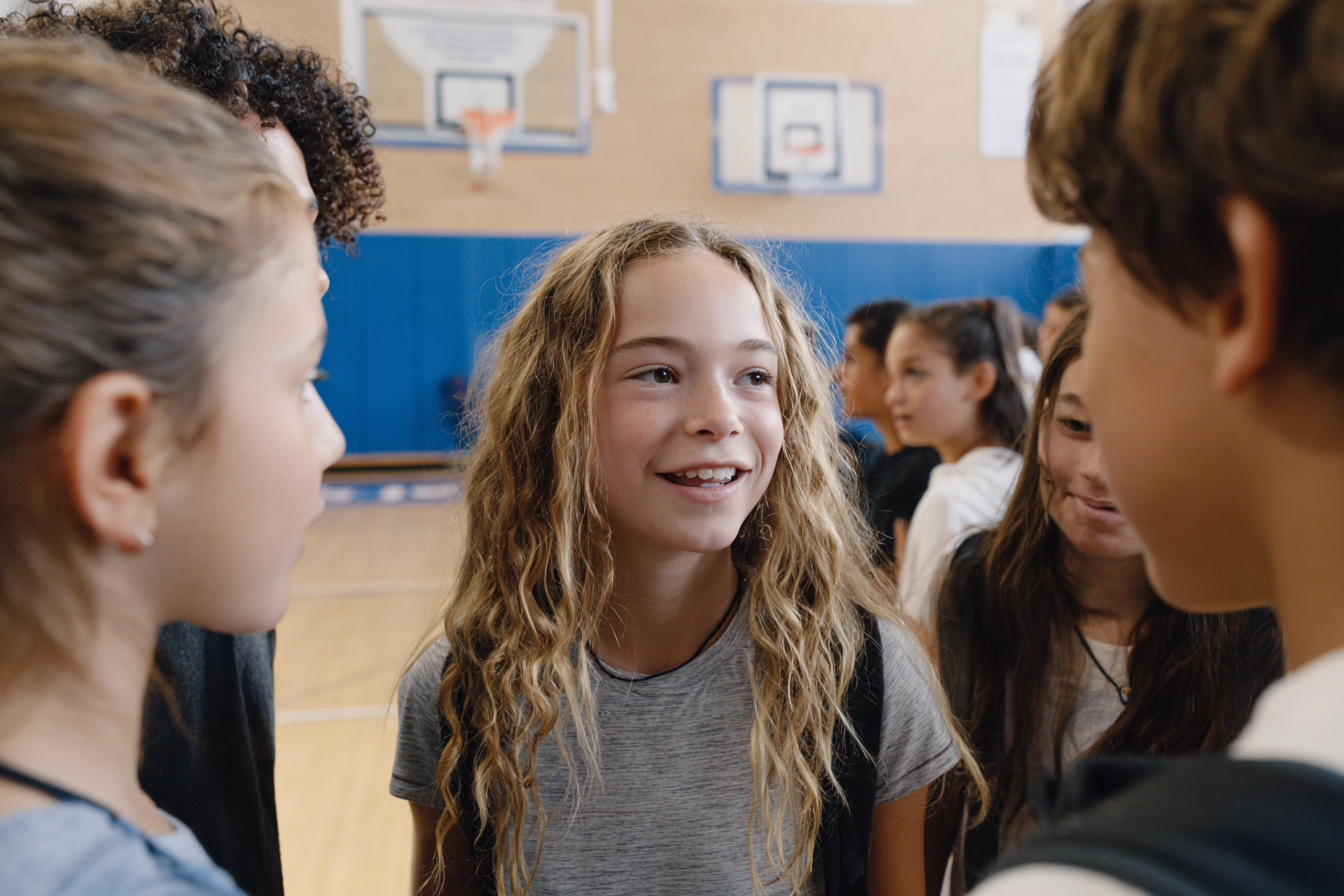
Focus: Build stronger forehand and backhand striking, improve serve and rally control, and introduce simple net-game tactics that help students place the ball with purpose.
Grade Level: 6
Subject Area: Physical Education
Total Unit Duration: 5 sessions (one week), 45–55 minutes per session
I. Introduction
In this Grade 6 Physical Education unit, students develop the basic racket and paddle skills needed for success in beginner tennis and pickleball. Through repeated forehand and backhand practice, cooperative rally work, and mini-court games, students learn that effective net play depends on control, timing, and smart placement rather than hitting as hard as possible. The unit emphasizes striking with consistent contact, adjusting force to fit the distance and target, and using simple tactics such as hitting away from an opponent or into open court space. Students also begin recognizing whether they enjoy individual or partner net games and which striking skills feel strongest to them. By the end of the week, students should be able to explain how controlled serves, cooperative rallying, and basic placement choices help them succeed in mini-court tennis or pickleball.
Essential Questions
- How can students strike with better control, direction, and consistency?
- What helps a serve or rally stay playable in a net game?
- How can placement and controlled power create an advantage?
- What racket or paddle skills feel most enjoyable or successful for me?
II. Objectives and Standards
Learning Objectives — Students will be able to:
- Strike forehands and backhands with more consistent contact and follow-through.
- Serve with better control and place the ball into playable court space.
- Combine striking, moving, recovering, and rallying in more fluid game sequences.
- Adjust force, angle, timing, and effort to keep rallies going or place the ball away from an opponent.
- Apply simple offensive net-game tactics such as aiming to open space and choosing higher-percentage shots.
- Reflect on whether tennis or pickleball-style activities match their interests and strengths.
Standards Alignment — Grade 6 PE (SHAPE America-based custom)
- PE:S1.6e – Striking with Implements for Direction, Power, and Consistency Strike stationary and moving objects with short- and long-handled implements (paddle, racket, bat, stick) with consistent contact, controlled power, and intended direction.
- Example: In racket games, students use forehand and backhand strikes to send the ball into designated court areas with better control and placement.
- PE:S1.6f – Integrating Multiple Skills in Fluid Game Sequences Combine multiple skills—such as dribbling, passing, catching, striking, running, dodging, and shooting—smoothly and appropriately during extended game sequences.
- Example: A student moves into position, strikes a forehand, recovers to ready position, and continues a controlled rally during mini-court play.
- PE:S2.6c – Adjusting Effort, Force, Angle, and Timing Based on Context Adjust speed, effort, force, angle, and timing of movements and skills according to distance, defensive pressure, and scoring or placement goals.
- Example: Students use softer controlled shots for short rallies and firmer shots when trying to send the ball deeper into the mini-court.
- PE:S2.6d – Offensive Strategies: Creating and Exploiting Advantages Apply offensive strategies such as creating space, using give-and-go, setting simple screens, recognizing mismatches, and choosing high-percentage plays.
- Example: In mini-court racket games, students place the ball into open space, aim away from a partner or opponent, and choose safer high-percentage shots during rallies.
- PE:S5.6a – Identifying Enjoyable Activities and Personal Strengths Identify physical activities they enjoy and areas of strength, and explain why these activities are motivating or satisfying.
- Example: Students reflect on whether they enjoy racket games because of precision, strategy, or the challenge of improving rally control.
Success Criteria — Student Language
- I can strike a forehand and backhand with better control.
- I can serve into the court with more consistency.
- I can keep a rally going by adjusting my power and angle.
- I can use simple tactics to hit into open space.
- I can recover to ready position after my shot.
- I can identify what I enjoy or do well in racket or paddle games.