Unit Plan 14 (Grade 6 PE): Ultimate Frisbee — Offense & Spirit
Grade 6 Ultimate Frisbee unit builds sharper cuts, smarter pass timing, defender reading, stack offense spacing, and respectful self-officiating.

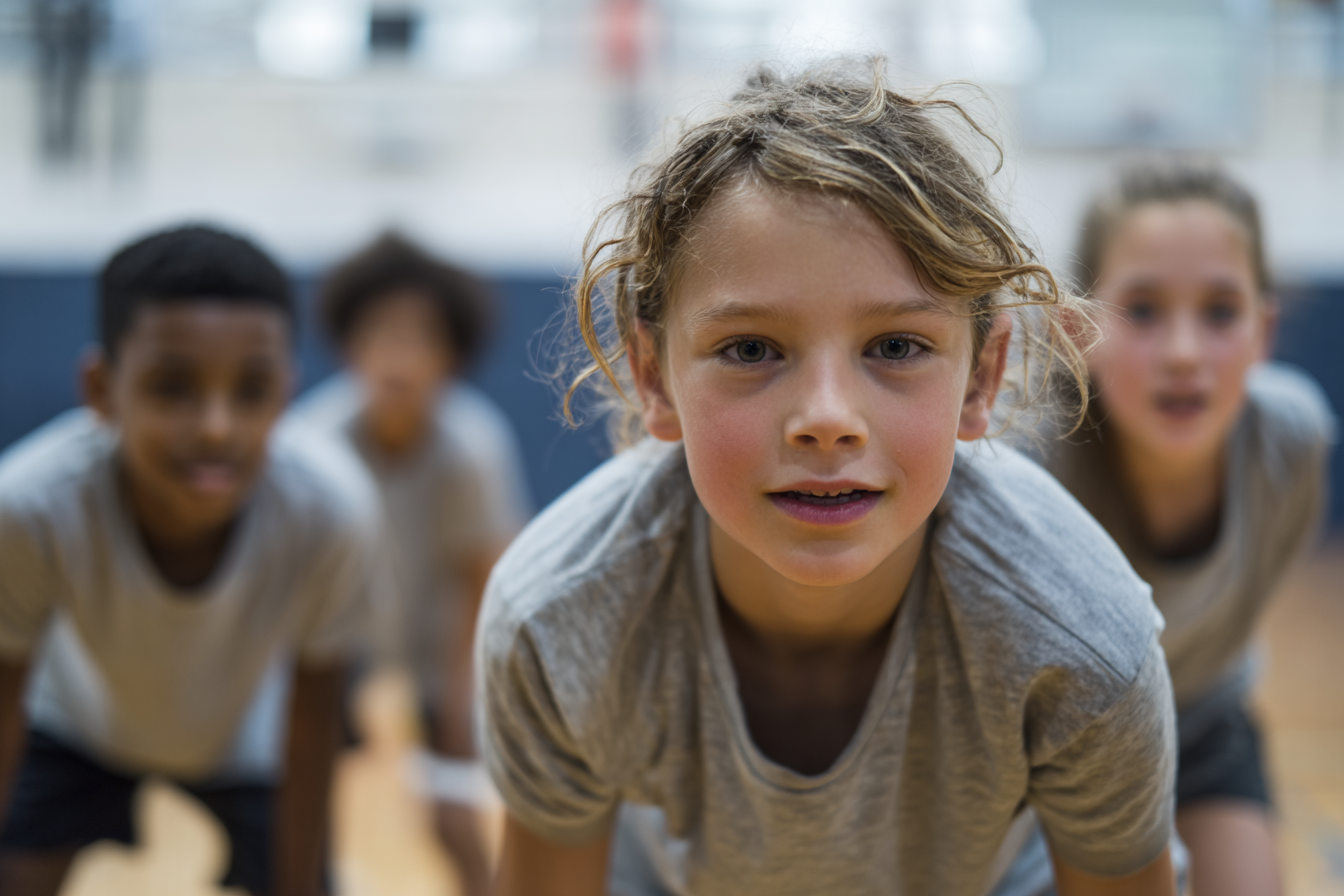
Focus: Improve cutting to open space, more accurate timing of passes, stronger ability to read defenders, and more mature self-officiating through small-sided Ultimate Frisbee.
Grade Level: 6
Subject Area: Physical Education
Total Unit Duration: 5 sessions (one week), 45–55 minutes per session
I. Introduction
In this Grade 6 Physical Education unit, students develop the core movement and teamwork skills needed for successful Ultimate Frisbee play. Through throwing, catching, cutting, and small-sided game play, students learn that strong Ultimate offense depends on spacing, timing, and quick decision-making rather than just throwing far. The unit emphasizes using a basic stack offense, moving into open space with purpose, and reading how defenders react before choosing where and when to throw. Students also learn the importance of Spirit of the Game, which means playing honestly, handling disagreements respectfully, and using self-officiating to keep the game fair and positive. By the end of the week, students should be able to explain how movement, timing, and respectful self-officiating improve Ultimate play.
Essential Questions
- How can players cut to open space more effectively in Ultimate Frisbee?
- What helps a thrower choose the right pass at the right time?
- How do offensive spacing and defensive positioning affect success?
- What does Spirit of the Game look like in a self-officiated class activity?
II. Objectives and Standards
Learning Objectives — Students will be able to:
- Throw and catch with better accuracy and timing while moving and under defensive pressure.
- Combine cutting, throwing, catching, and support movement more smoothly during live play.
- Move into open space and maintain better offensive and defensive positioning.
- Use varied pathways, angles, and feints to create separation from defenders.
- Apply simple offensive strategy through a basic stack structure and high-percentage passing choices.
- Apply defensive strategies such as marking, containment, and help defense.
- Demonstrate sportsmanship, self-control, and respectful self-officiating during play.
Standards Alignment — Grade 6 PE (SHAPE America-based custom)
- PE:S1.6c – Throwing & Catching with Accuracy in Dynamic Situations Throw and catch with accuracy and appropriate force in dynamic situations, including while moving, under pressure, or in contested game play.
- Example: In small-sided Ultimate, students lead teammates with passes, catch on the move, and complete throws despite active defenders.
- PE:S1.6f – Integrating Multiple Skills in Fluid Game Sequences Combine multiple skills—such as dribbling, passing, catching, striking, running, dodging, and shooting—smoothly and appropriately during extended game sequences.
- Example: A student cuts to open space, catches the disc, pivots, and delivers a controlled pass to a teammate cutting into the next lane.
- PE:S2.6a – Space Awareness & Positioning in Team and Individual Games Demonstrate consistent understanding of offensive and defensive space by moving to open areas, adjusting position relative to teammates, opponents, and scoring areas.
- Example: In 5v5 Ultimate, students avoid clustering, use a simple stack shape, and spread to create passing lanes.
- PE:S2.6b – Using Pathways, Levels, and Feints to Create Advantage Use varied pathways (straight, curved, diagonal, zigzag), levels (high, medium, low), and feints/fakes to create offensive opportunities or deny space on defense.
- Example: A student uses a jab step and quick diagonal cut to get open for a pass, or changes angle to deny an easy throwing lane on defense.
- PE:S2.6d – Offensive Strategies: Creating and Exploiting Advantages Apply offensive strategies such as creating space, using give-and-go, setting simple screens, recognizing mismatches, and choosing high-percentage plays.
- Example: In Ultimate, students clear space, cut at the right time, and use simple stack spacing to create safer throwing options.
- PE:S2.6e – Defensive Strategies: Marking, Containment, and Help Defense Apply defensive principles such as marking a specific player, containing penetrations, maintaining good body position, and providing help defense when teammates are beaten.
- Example: Students stay between their player and the end zone, contain cuts, and help cover space when a defender is out of position.
- PE:S4.6c – Self-Control, Sportsmanship, and Emotional Regulation Demonstrate self-control, positive sportsmanship, and emotional regulation in competitive and cooperative contexts, responding to wins, losses, and mistakes constructively.
- Example: After a dropped pass or close point, students stay calm, reset, and continue respectfully.
- PE:S4.6d – Constructive Conflict Resolution and Self-Officiating Use fair, agreed-upon strategies to resolve disagreements and participate appropriately in self-officiated or peer-officiated games.
- Example: When players disagree about an in/out or foul call, they pause, discuss briefly, use the class procedure, and restart fairly.
Success Criteria — Student Language
- I can throw and catch more accurately while moving.
- I can cut to open space with better timing.
- I can use simple stack offense spacing to help my team.
- I can defend by containing, marking, and helping teammates.
- I can use Spirit of the Game and self-officiate respectfully.
- I can stay calm and fair during mistakes or disagreements.