Unit Plan 32 (Grade 6 PE): Walking/Running Club & Weekly Activity Plans
Grade 6 walking and running unit builds sustained MVPA, smarter pacing, and realistic weekly activity plans while connecting movement to health and well-being.

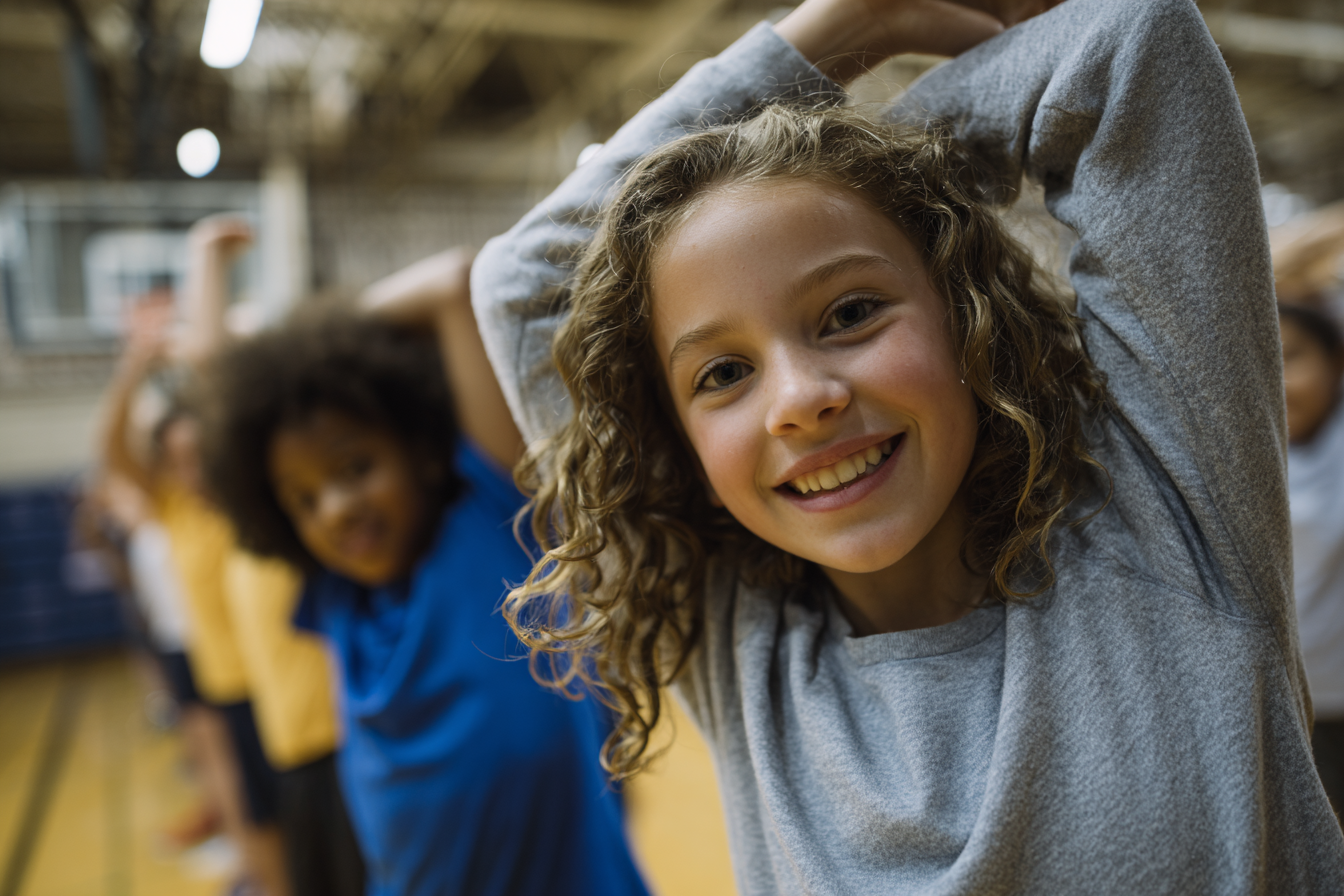
Focus: Build sustained MVPA, improve pacing, help students create realistic weekly activity plans, and connect regular movement to personal health.
Grade Level: 6
Subject Area: Physical Education
Total Unit Duration: 5 sessions (one week), 45–55 minutes per session
I. Introduction
In this Grade 6 Physical Education unit, students develop walking and running habits that can support health both in and out of school. Through gradual warm-ups, lap challenges, interval runs, and personal planning work, students learn that successful fitness activity is not about going the fastest at all times. Instead, students explore how to pace themselves, monitor effort, stay active for longer periods, and make simple plans they can realistically follow during a typical week. The unit emphasizes that regular movement supports physical health, mental well-being, and long-term healthy routines. By the end of the week, students should be able to explain how walking and running can fit into a personal activity plan and how movement choices affect energy, mood, and health.
Essential Questions
- How can students pace themselves for different walking and running tasks?
- What helps students stay in moderate-to-vigorous physical activity for longer periods?
- How can students create a simple and realistic weekly activity plan?
- How does regular movement support physical health, mood, and daily well-being?
II. Objectives and Standards
Learning Objectives — Students will be able to:
- Participate actively in walking and running tasks for sustained portions of class.
- Monitor effort and adjust pace during lap challenges and interval runs.
- Create or revise a simple weekly activity plan that includes in-school and out-of-school movement.
- Identify healthy lifestyle habits that support activity and well-being.
- Explain how regular movement contributes to physical, mental, and social health.
- Recognize realistic opportunities to be active during a normal school week and at home.
Standards Alignment — Grade 6 PE (SHAPE America-based custom)
- PE:S3.6a – Regular Participation in Moderate-to-Vigorous Physical Activity Participate regularly in moderate-to-vigorous physical activity (MVPA) during class and demonstrate effort to remain active and engaged for most of the lesson.
- Example: During lap challenges and interval runs, students remain active, minimize downtime, and continue participating with sustained effort.
- PE:S3.6b – Monitoring and Adjusting Activity Intensity Use tools such as heart rate checks, perceived exertion scales, talk test, or step counts to monitor activity intensity and adjust effort to reach target zones.
- Example: Students use pacing, breathing cues, or effort scales to decide when to maintain speed, slow slightly, or increase effort during running tasks.
- PE:S3.6d – Designing and Following a Simple Personal Fitness Plan Create a basic personal fitness plan that includes realistic goals, chosen activities, and FITT elements, then follow it for a set period and reflect on progress.
- Example: Students create a weekly activity plan with walking, running, or other movement options and identify how often and how long they could realistically do them.
- PE:S3.6e – Applying Healthy Lifestyle Choices Beyond Class Identify and describe daily habits that support physical health—such as staying active outside PE, balanced nutrition, hydration, sleep, and screen time management—and work toward improving at least one area.
- Example: Students connect walking/running to hydration, sleep, active breaks, and reduced screen time as part of healthy routines.
- PE:S5.6b – Recognizing Physical, Mental, and Social Benefits of Activity Describe how consistent physical activity contributes to physical health, mental well-being (mood, stress), and social benefits (friendships, teamwork, sense of belonging).
- Example: Students reflect that walking or running regularly can improve stamina, lower stress, boost mood, and create opportunities to be active with others.
- PE:S5.6d – Seeking Opportunities and Planning for Regular Activity Recognize opportunities in school, at home, and in the community to be physically active, and make simple, realistic plans to include activity in weekly routines.
- Example: Students identify opportunities such as walking after school, jogging during a park visit, active recess, or family walks and schedule them into a simple plan.
Success Criteria — Student Language
- I can stay active during walking and running tasks.
- I can adjust my pace when I need to.
- I can explain how hard I am working during a run or walk.
- I can make a realistic weekly activity plan.
- I can explain how movement helps my body, mood, and health.
- I can find real opportunities to be active outside PE.