Unit Plan 9 (Grade 6 PE): Yoga, Balance & Mind-Body Connection
Grade 6 yoga unit builds balance, core strength, and stress management through mindful flow sequences, intensity awareness, and wellness reflection.

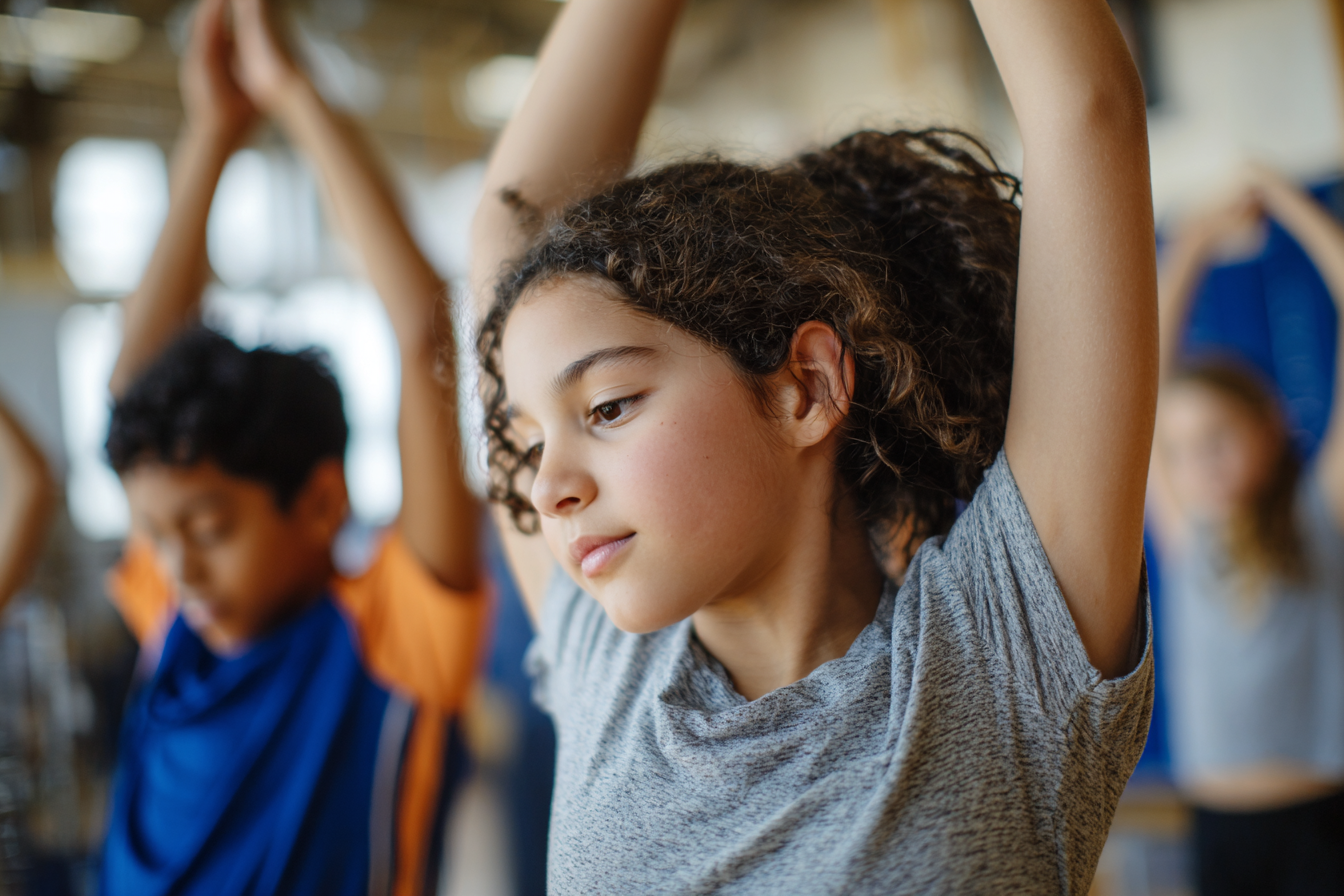
Focus: Improve balance, build core strength, support stress management, and help students connect movement with mental well-being through yoga flow sequences and balance challenges.
Grade Level: 6
Subject Area: Physical Education
Total Unit Duration: 5 sessions (one week), 45–55 minutes per session
I. Introduction
In this Grade 6 Physical Education unit, students explore how controlled movement, breathing, and body awareness can improve both physical fitness and mental wellness. Through guided yoga flows and balance-based challenges, students learn that Physical Education is not only about speed and competition, but also about focus, posture, control, and recovery. The unit emphasizes static and dynamic balance, core stability, and the idea that mindful movement can help students feel calmer, more centered, and more confident in their bodies. Students also begin noticing how breathing and pacing affect intensity and how movement can support stress relief and emotional regulation. By the end of the week, students should be able to explain how yoga and balance activities contribute to physical health, self-control, and mental well-being.
Essential Questions
- How do balance and core strength work together in yoga and movement tasks?
- How can breathing and mindful movement support stress management?
- How can students tell the difference between lighter and more challenging movement intensity in yoga and balance work?
- What physical and mental benefits can come from consistent mindful activity?
II. Objectives and Standards
Learning Objectives — Students will be able to:
- Maintain better static and dynamic balance during yoga poses and balance challenges.
- Participate actively and consistently in yoga flows and movement-based balance tasks.
- Use breathing, body signals, and teacher cues to monitor and adjust movement intensity.
- Explain how yoga and mindful movement support physical health, mood, stress relief, and overall well-being.
Standards Alignment — Grade 6 PE (SHAPE America-based custom)
- PE:S1.6b – Balance, Stability, and Coordination in Complex Movement Maintain static and dynamic balance while performing complex combinations (jumping, landing, rotating, changing levels and direction) in games and fitness tasks.
- Example: Students hold single-leg poses, shift through yoga flow transitions, and maintain control during dynamic balance challenges without losing body control.
- PE:S3.6a – Regular Participation in Moderate-to-Vigorous Physical Activity Participate regularly in moderate-to-vigorous physical activity (MVPA) during class and demonstrate effort to remain active and engaged for most of the lesson.
- Example: During yoga flow circuits and balance sequences, students remain engaged, move consistently, and participate fully without extended downtime.
- PE:S3.6b – Monitoring and Adjusting Activity Intensity Use tools such as heart rate checks, perceived exertion scales, talk test, or step counts to monitor activity intensity and adjust effort to reach target zones.
- Example: Students notice when a flow feels more demanding, use breathing and body awareness to monitor exertion, and adjust pace or pose depth as needed.
- PE:S5.6b – Recognizing Physical, Mental, and Social Benefits of Activity Describe how consistent physical activity contributes to physical health, mental well-being (mood, stress), and social benefits (friendships, teamwork, sense of belonging).
- Example: Students reflect that breathing, stretching, and mindful movement can improve posture, reduce stress, and help them feel more calm and focused.
Success Criteria — Student Language
- I can hold balance positions with better control.
- I can move through yoga flows with focus and steady effort.
- I can use breathing and body signals to notice when an activity feels more or less intense.
- I can explain how yoga and mindful movement help physical and mental wellness.
- I can stay engaged and respectful during calm movement activities.