Unit Plan 33 (Grade 6 Science): Technology & Environmental Monitoring
Environmental monitoring design unit for Grade 6: Students engineer, test, and compare tools that track and reduce human impacts on water, air, soil, or noise.

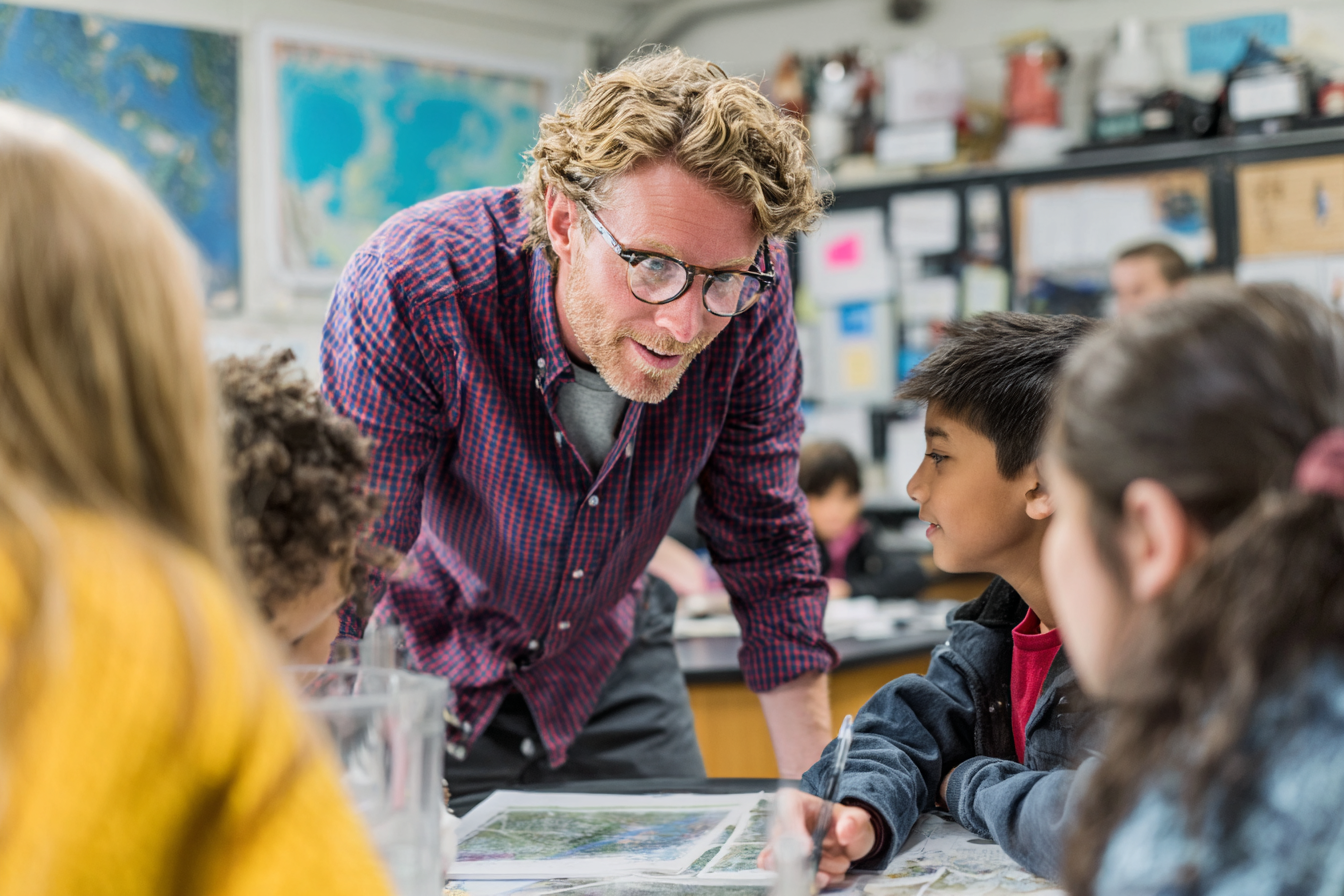
Focus: Apply scientific principles and engineering practices to design, test, and compare environmental monitoring systems (for water, air, soil, or noise) that help track and minimize human impacts, aligned with MS-ESS3-3 and MS-ETS1-3.
Grade Level: 6
Subject Area: Science (Earth & Human Activity — Technology & Monitoring)
Total Unit Duration: 5 sessions (one week), 50–60 minutes per session
I. Introduction
In this unit, students explore how technology helps communities monitor environmental conditions and inform actions to reduce human impacts. They examine examples of sensors, apps, satellite data, and low-tech monitoring tools used to track water quality, air quality, temperature, noise, or waste. Then they design and test a simple environmental monitoring system (or prototype), collect or use sample data, and compare multiple designs by analyzing which works best under the given criteria and constraints. This unit deepens understanding of MS-ESS3-3 and MS-ETS1-3 by connecting real-world technology to local environmental decision-making.
Essential Questions
- How can technology help us monitor human impacts on water, land, and air more accurately and consistently?
- What makes an environmental monitoring system effective, usable, and reliable?
- How can data from tests be used to compare different monitoring designs and improve them over time?
- Why is environmental monitoring an important step in minimizing human impact and protecting communities?
II. Objectives and Standards
Learning Objectives — Students will be able to:
- Describe examples of environmental monitoring technologies (e.g., water test kits, air quality sensors, temperature probes, noise meters) and what they measure.
- Apply scientific principles (e.g., sampling, fair tests, repeated measurements) to design a method for monitoring one aspect of human impact on the environment (MS-ESS3-3).
- Build or simulate a simple monitoring system or prototype (real or paper/digital model) and use it to collect sample data.
- Analyze data from tests of at least two monitoring designs, describing similarities and differences in accuracy, reliability, and practicality (MS-ETS1-3).
- Communicate a brief recommendation for which monitoring design a community should use and how its data could guide impact reduction actions.
Standards Alignment — 6th Grade (NGSS-based custom)
- MS-ESS3-3 — Apply scientific principles to design a method for monitoring and minimizing human impact on the environment.
- MS-ETS1-3 — Analyze data from tests to determine similarities and differences among design solutions. Use data to identify which design(s) best meet the criteria and constraints.
Success Criteria — Student Language
- I can explain what at least one environmental sensor or monitoring tool measures and why it’s useful.
- I can design and describe a monitoring method that uses clear steps and variables (what is changed, what is measured).
- I can collect or use data from two or more designs and compare their performance using numbers or clear observations.
- I can explain which design best meets the criteria and constraints and how its data can help minimize human impact.
- I can use key terms like monitoring, sensor, data, criteria, constraints, and human impact correctly in my explanation.