Unit Plan 16 (Grade 7 Art): Advanced Critique Session
Grade 7 art critique unit where students evaluate artwork using criteria and visual evidence, giving structured feedback to support revision, growth, and clear intent.

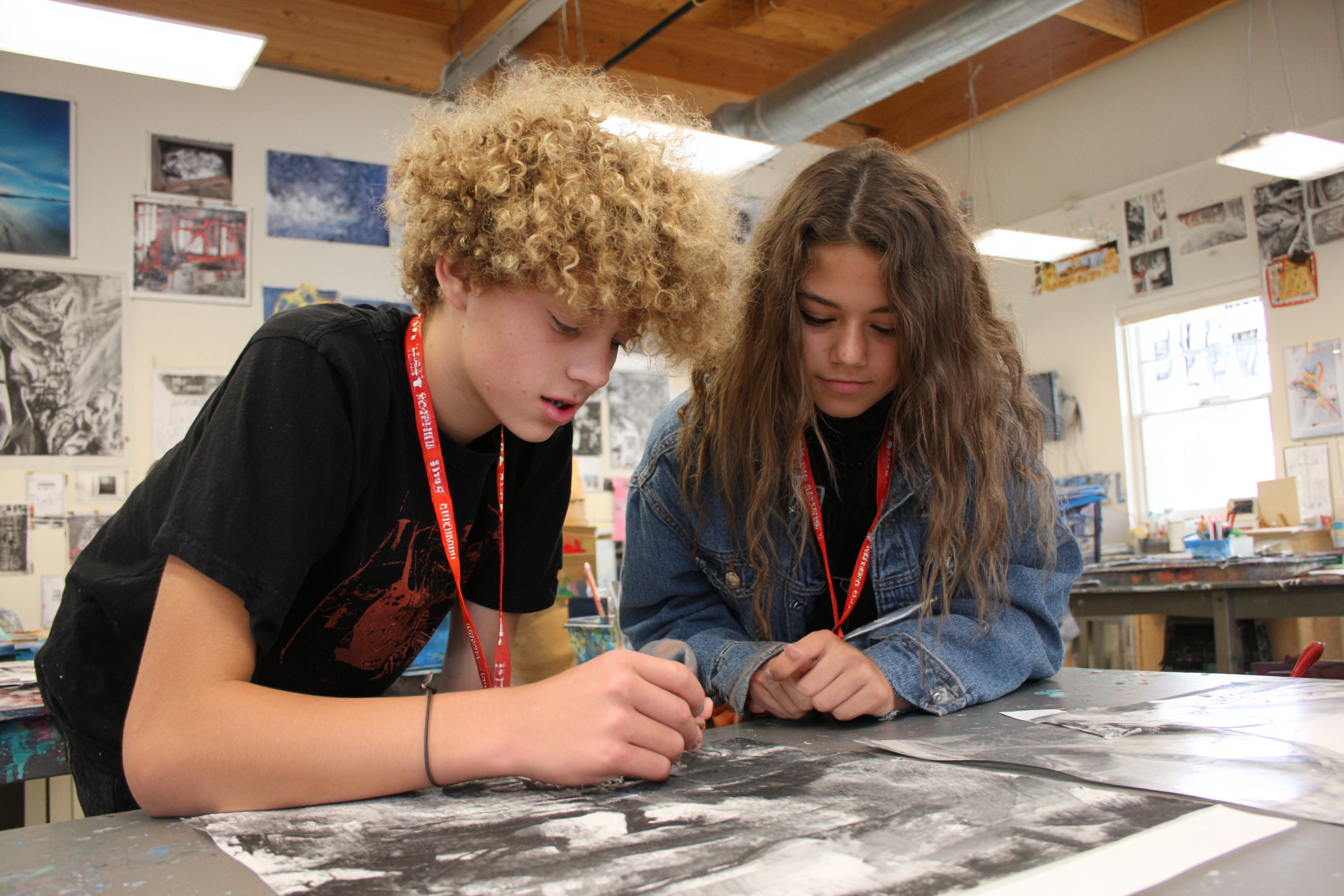
Focus: Evaluate artwork using established criteria and visual evidence, practicing structured critique that supports revision, growth, and clearer communication of intent.
Grade Level: 7
Subject Area: Art (Visual Arts • Critique & Reflection • Studio Practice)
Total Unit Duration: 5 sessions (one week), 50–60 minutes per session
I. Introduction
In this unit, students step into the role of art critics and curators, learning how to evaluate artwork using clear criteria and visual evidence rather than personal taste alone. Through modeling, guided practice, and structured critique protocols, they analyze composition, craftsmanship, originality, and message clarity in both peer and exemplar artworks. Students practice giving and receiving constructive, specific feedback, and learn how critique can inform meaningful revision or future project goals. By the end, they can use established criteria to justify their evaluations and suggest concrete next steps for improvement.
Essential Questions
- What does it mean to evaluate artwork fairly and thoughtfully instead of just saying “I like it” or “I don’t like it”?
- How can criteria and visual evidence help us describe strengths and areas for growth in an artwork?
- How can we give feedback that is honest, respectful, and useful to the artist?
- In what ways can critique help artists revise work or set goals for future projects?
- How does discussing artwork together deepen our understanding of composition, craftsmanship, and intent?
II. Objectives and Standards
Learning Objectives — Students will be able to:
- Describe and use established criteria (composition, craftsmanship, originality, and communication of intent) to evaluate artwork (VA:Re9.7a).
- Support critique statements with specific visual evidence, citing details in line, color, value, texture, and layout (VA:Re9.7a).
- Participate in a structured critique protocol (e.g., TAG or Glow/Grow) to provide constructive, evidence-based feedback to peers (VA:Re9.7a).
- Reflect on feedback received and identify at least two concrete next steps for revision or future work (VA:Re9.7a).
- Write a short Critique Summary that synthesizes criteria-based evaluation and visual evidence for one artwork (their own or a peer’s) (VA:Re9.7a).
Standards Alignment — 7th Grade (NCAS-Aligned)
- VA:Re9.7a — Evaluate artwork using established criteria and provide constructive, evidence-based feedback.
- Example: Students use a rubric to assess composition strength.
Success Criteria — Student Language
- I can use art vocabulary and criteria (composition, craftsmanship, originality, message) instead of just saying what I like or don’t like.
- I can point to specific parts of the artwork as evidence for my feedback.
- I can follow a critique protocol to give feedback that is kind, specific, and helpful.
- I can explain how the feedback I received could help me revise this piece or improve a future project.
- I can write a clear critique paragraph that uses criteria and visual evidence to evaluate an artwork.