Unit Plan 22 (Grade 7 Art): Comparative Artwork Study
Grade 7 art unit where students compare artworks across cultures or time periods, analyzing how elements and principles create mood, emphasis, and unity while explaining how cultural and historical context shapes interpretation.

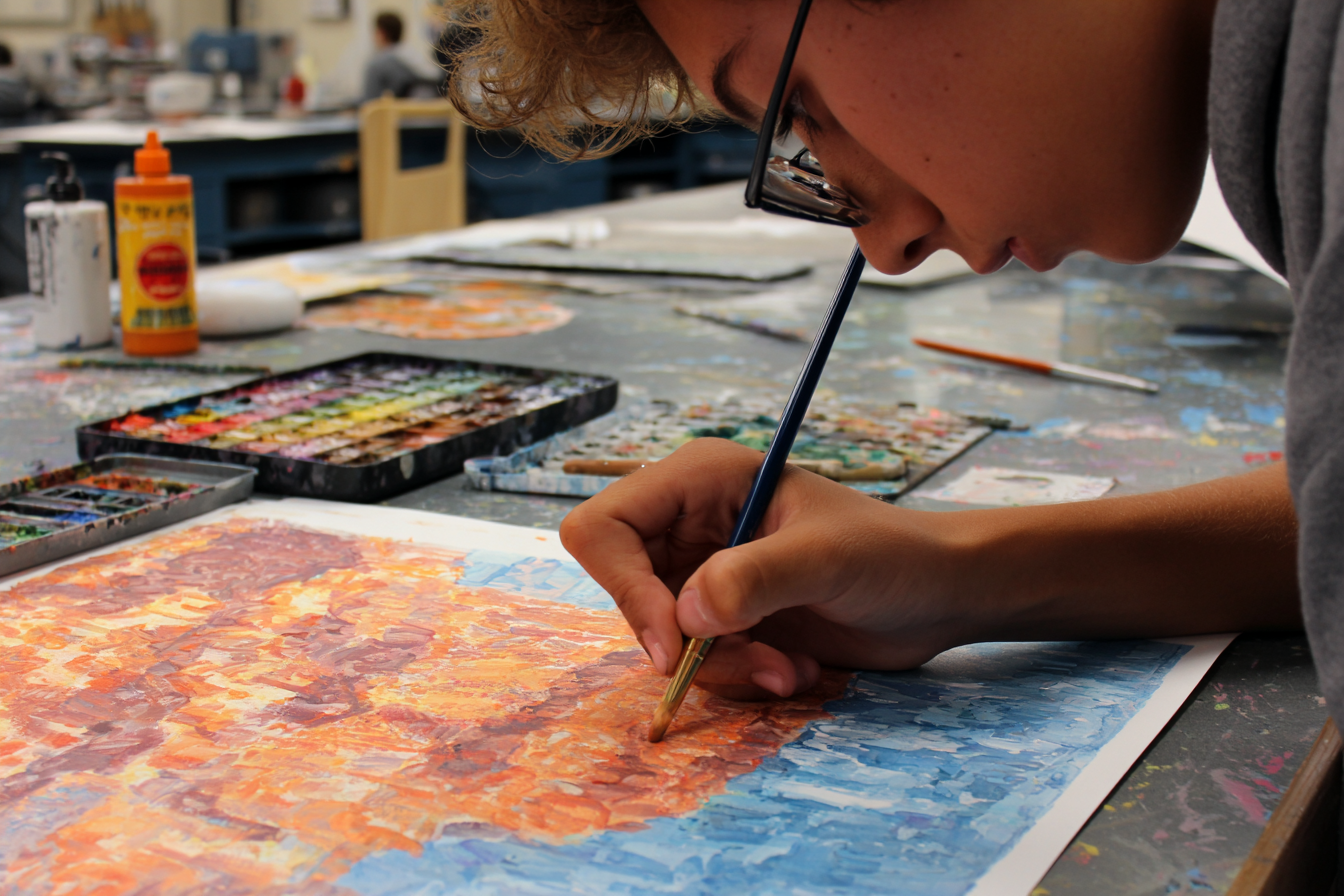
Focus: Compare artworks from different cultures or time periods, analyzing how elements and principles of design create mood, emphasis, and unity, and how cultural and historical contexts shape interpretation.
Grade Level: 7
Subject Area: Art (Visual Arts • Art Interpretation • Culture & Context)
Total Unit Duration: 5 sessions (one week), 50–60 minutes per session
I. Introduction
In this unit, students become art detectives, closely examining artworks from different cultures or time periods. They learn to identify how artists use elements of art and principles of design to create specific moods, focal points, and a sense of unity. Students also investigate how each artwork reflects its cultural, historical, or societal context, and how that background influences the way we understand it today. By the end, they create a short comparative analysis that clearly explains similarities and differences in both visual design and context between two artworks.
Essential Questions
- How do elements and principles (like color, line, contrast, and balance) work together to create mood, emphasis, and unity in an artwork?
- How can comparing artworks from different cultures or time periods deepen our understanding of each one?
- In what ways do cultural, historical, and societal contexts influence how artworks are made and interpreted?
- How can we use visual evidence and context clues to support our opinions about artworks?
- Why is it important to consider both what we see and where/when it was made when comparing artworks?
II. Objectives and Standards
Learning Objectives — Students will be able to:
- Observe and describe how elements of art (e.g., color, line, shape) and principles of design (e.g., contrast, balance, emphasis, unity) are used in selected artworks (VA:Re7.7a).
- Analyze how these elements and principles work together to create mood, emphasis, and unity in each artwork (VA:Re7.7a).
- Identify key aspects of the cultural, historical, or societal contexts of two artworks and explain how these contexts influence content and style (VA:Cn11.7a).
- Compare and contrast two artworks from different cultures or time periods, noting both visual similarities/differences and contextual connections (VA:Re7.7a, VA:Cn11.7a).
- Communicate a comparative interpretation through writing or a short presentation, using visual and contextual evidence to support claims (VA:Re7.7a, VA:Cn11.7a).
Standards Alignment — 7th Grade (NCAS-Aligned)
- VA:Re7.7a — Analyze how elements and principles work together to create mood, emphasis, and unity.
- Example: Students identify how color choice influences emotional tone.
- VA:Cn11.7a — Explain how art reflects cultural, historical, or societal contexts and influences interpretation.
- Example: Students compare artworks from different time periods and discuss cultural impact.
Success Criteria — Student Language
- I can point out how artists use elements and principles to create mood, emphasis, and unity.
- I can explain how an artwork reflects its culture, time period, or society.
- I can compare two artworks, describing what is similar and what is different in both design and context.
- I can support my ideas with evidence from what I see and what I know about the context.
- I can share my comparison clearly in writing or in a short presentation.