Unit Plan 20 (Grade 7 Art): Texture & Surface Design
Grade 7 art unit exploring texture and surface design, using mark-making and principles of design to create balanced compositions with purposeful visual communication.

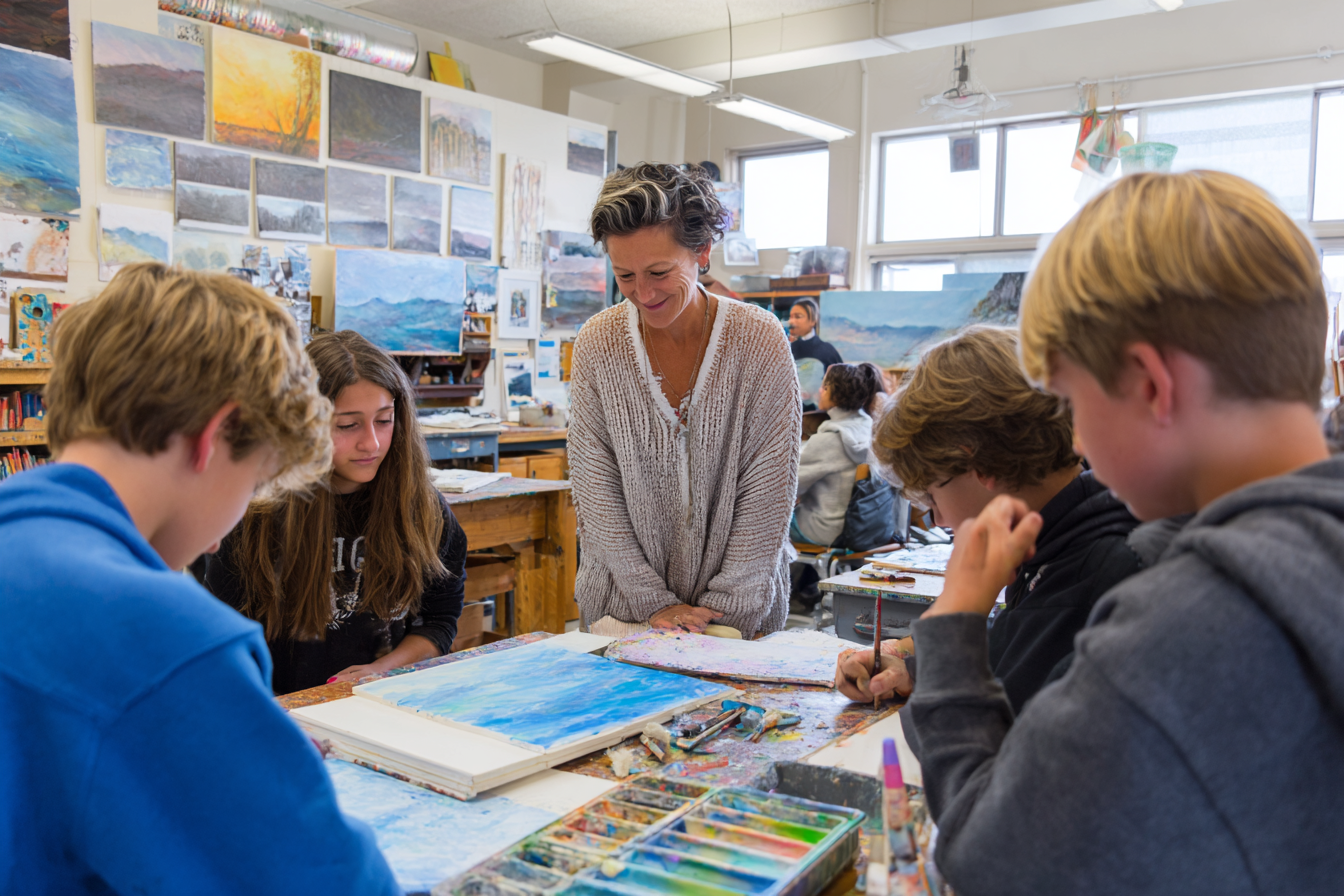
Focus: Use texture intentionally to enhance visual communication, applying elements and principles to create balanced, engaging compositions with rich surface interest.
Grade Level: 7
Subject Area: Art (Visual Arts • Surface Design • Composition)
Total Unit Duration: 5 sessions (one week), 50–60 minutes per session
I. Introduction
In this unit, students explore texture and surface design as powerful tools for visual communication. They learn the difference between actual texture (how something feels) and implied texture (how something looks like it would feel) and experiment with mark-making, pattern, and layering to create a variety of surface effects. Using the elements of art (line, shape, value) and principles of design (contrast, rhythm, emphasis), students design compositions where texture is used on purpose to support a mood, idea, or focal point. By the end, they complete a small texture-focused artwork that shows intentional surface choices and balanced design.
Essential Questions
- How can texture and surface design change the mood or message of an artwork?
- What is the difference between actual texture and implied texture, and how can artists use both?
- How do elements (line, shape, value) and principles (contrast, rhythm, emphasis) work together to make textures feel organized and intentional, not random?
- In what ways can texture draw the viewer’s eye to a focal point or help tell a visual story?
- How can I design a composition where texture is purposeful, not just decoration?
II. Objectives and Standards
Learning Objectives — Students will be able to:
- Identify and describe actual and implied texture in artworks and their own environment (VA:Cr2.7a).
- Experiment with mark-making and pattern techniques to create a range of implied textures (e.g., rough, smooth, soft, scratchy) (VA:Cr2.7a).
- Apply texture intentionally in a surface design composition, using principles such as contrast, rhythm, and emphasis to organize the design (VA:Cr2.7a).
- Plan and create a small artwork where texture helps communicate a mood, theme, or focal idea (VA:Cr2.7a).
- Reflect on how their use of texture and surface design affected visual communication and viewer attention (VA:Cr2.7a).
Standards Alignment — 7th Grade (NCAS-Aligned)
- VA:Cr2.7a — Apply elements of art and principles of design purposefully to create balanced and visually engaging compositions.
- Example: Students use contrast and rhythm to create dynamic movement in a design.
Success Criteria — Student Language
- I can name and show examples of actual and implied texture.
- I can create different textures using marks, patterns, and layering.
- I can use contrast, rhythm, and emphasis to organize texture in a composition.
- I can explain how texture in my artwork helps communicate a mood, idea, or focal point.
- I can produce a surface design that feels balanced, intentional, and visually interesting.