Unit Plan 28 (Grade 7 Band): Expressive Composition
Grade 7 band unit where students improvise and compose expressive pieces using pitch sets, tempo, dynamics, and articulation to convey emotion or imagery.

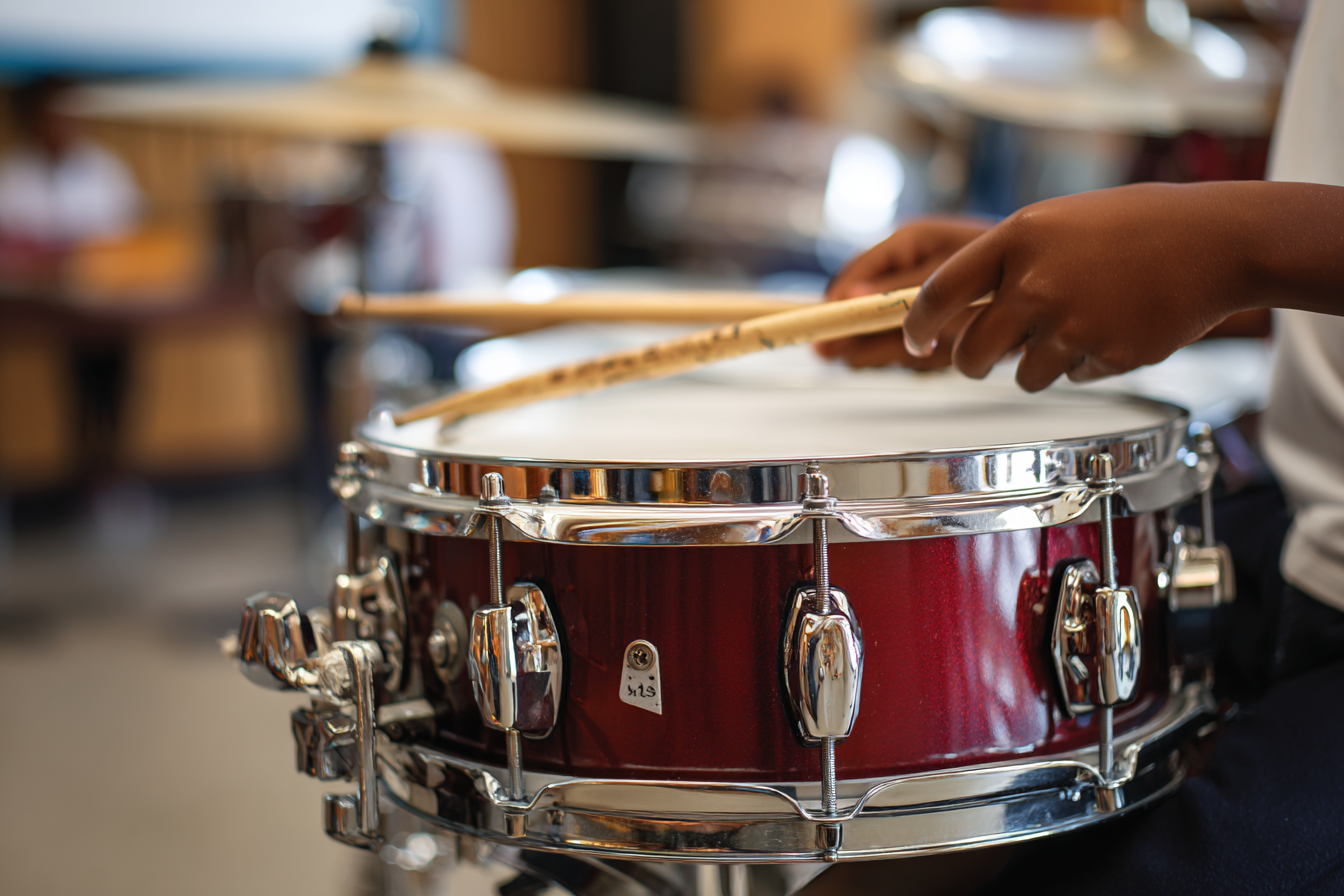
Focus: Create instrumental music inspired by emotions or imagery, beginning with improvisation and refining ideas into short compositions that clearly communicate expressive intent.
Grade Level: 7
Subject Area: Band (Creating • Performing • Expressing)
Total Unit Duration: 5 sessions (one week), 50–60 minutes per session
I. Introduction
In this unit, students explore how feelings and visual images can be turned into instrumental music. They listen to and describe musical examples that sound joyful, mysterious, calm, or intense, then experiment with improvising short phrases using limited pitch sets and rhythmic patterns to match a chosen mood. From these improvisations, they develop short expressive compositions that use dynamics, tempo, articulation, and register to paint an emotion or image. By the end of the week, students perform their pieces for classmates and explain how their musical choices communicate their intended emotion or imagery.
Essential Questions
- How can instrumental music express emotions and imagery without words?
- Which musical elements (pitch sets, rhythm, tempo, dynamics, articulation, register) are most important for expressing a specific mood?
- How can improvisation help us discover ideas for later composition?
- What does it mean to communicate clear expressive intent to an audience, and how can we explain the choices we made?
II. Objectives and Standards
Learning Objectives — Students will be able to:
- Describe how selected musical examples convey different emotions or images using specific musical elements.
- Improvise short melodic and rhythmic ideas using appropriate pitch sets and rhythms that match a chosen expressive goal or style.
- Develop at least one improvised idea into a short expressive composition (solo or small-group) that focuses on a single mood or image.
- Rehearse and refine their piece, adjusting tempo, dynamics, articulation, and phrasing to strengthen expressive intent.
- Present their final composition and explain how their musical decisions communicate the intended emotion or imagery to an audience.
Standards Alignment — 7th Grade Band (custom, NAfME-style)
- BD:Cr1.7a — Improvise rhythmic and melodic ideas using appropriate pitch sets and rhythms to match a given expressive goal or style.
- Example: Students improvise a 4–8 measure phrase using a pentatonic scale that sounds “playful” or “serious.”
- BD:Cr3.7b — Present a final instrumental creation and explain how musical choices communicate expressive intent to an audience.
- Example: Students perform their composition and explain how articulation and dynamics match the intended mood.
Success Criteria — Student Language
- I can describe how a piece of music sounds happy, sad, tense, peaceful, or mysterious using musical vocabulary.
- I can improvise short phrases using a limited pitch set and rhythms that match a chosen emotion or image.
- I can turn an improvisation into a short composition that stays focused on one clear mood or image.
- I can adjust tempo, dynamics, and articulation in my piece to make my expressive intent clearer.
- I can perform my music and explain how my choices show the emotion or image I wanted the audience to experience.