Unit Plan 11 (Grade 7 Band): Instrumental Improvisation
Grade 7 band unit on improvisation using pitch sets and rhythms to match style and mood, building creative expression, confidence, and listening skills.

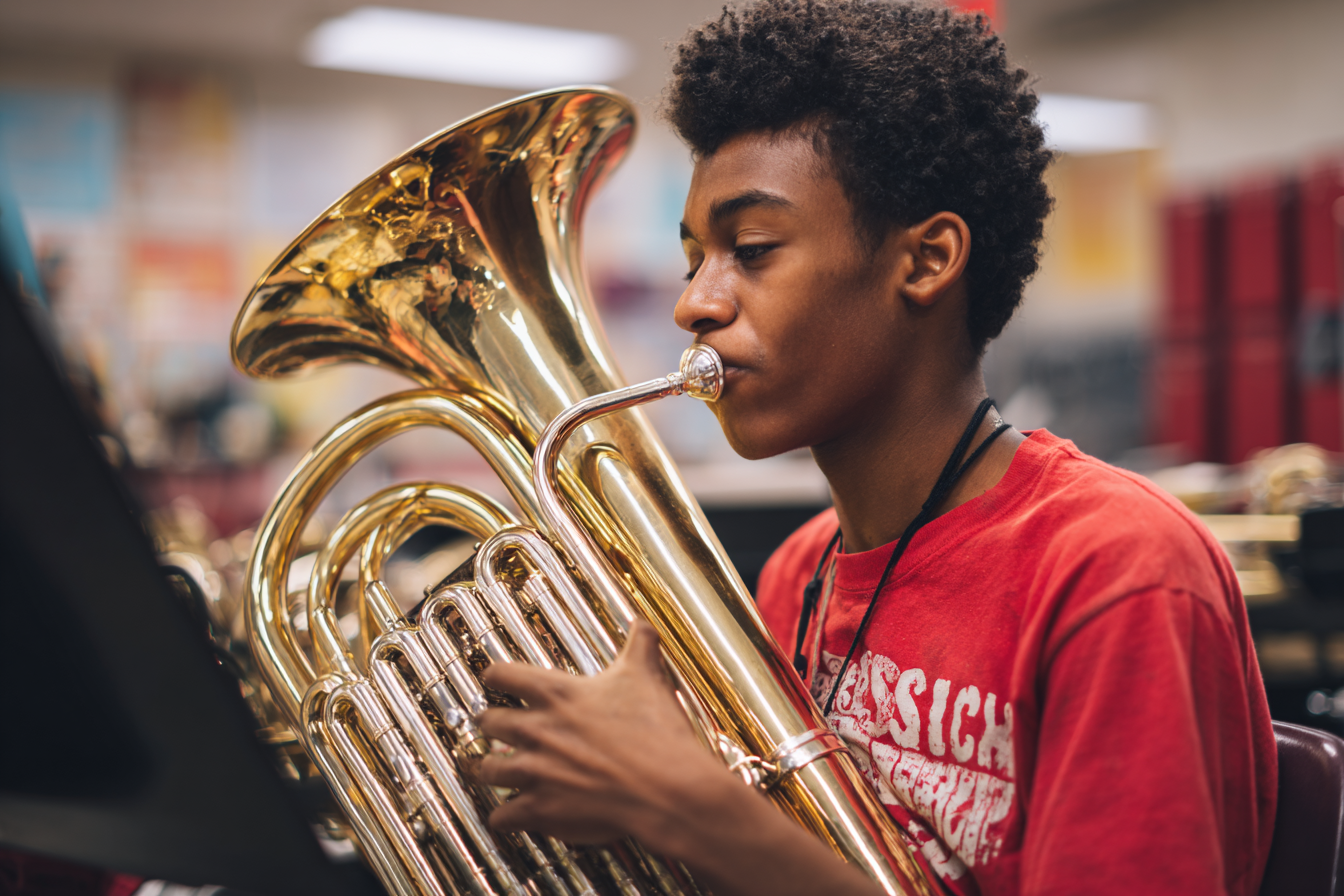
Focus: Improvise melodic or rhythmic ideas using defined pitch sets and rhythms that match a given expressive goal or style.
Grade Level: 7
Subject Area: Band (Creating • Improvisation Skills • Personal Expression)
Total Unit Duration: 5 sessions (one week), 50–60 minutes per session
I. Introduction
In this unit, students explore instrumental improvisation as a way to express musical ideas in the moment. Using simple pitch sets (such as pentatonic scales or notes from a concert B♭ scale) and clear rhythm patterns, they learn to create short improvised phrases that still sound connected and musical. Through call-and-response, guided prompts, and “trading fours,” students practice matching a style (swing, march-like, lyrical) or mood (playful, serious, calm, bold). By the end of the week, they perform a short improvised passage that fits a given backing track, groove, or style prompt, and reflect on how their choices shaped the sound.
Essential Questions
- What does it mean to improvise music, and how is it different from playing written notes?
- How can using a defined pitch set (like a pentatonic scale) actually make it easier to be creative?
- How do rhythm, pitch choices, and style work together to communicate a mood or idea?
- How can I improvise in a way that fits with the ensemble, not just by myself?
II. Objectives and Standards
Learning Objectives — Students will be able to:
- Improvise short rhythmic patterns (2–4 measures) on a single pitch or limited pitch set while keeping a steady tempo.
- Improvise melodic ideas using defined pitch sets (e.g., pentatonic scales, five-note pitch sets) that fit a given key or backing pattern.
- Match improvisations to a given expressive goal or style (e.g., playful, serious, calm, energetic) using rhythm, pitch direction, and articulation.
- Participate in call-and-response and trading fours activities, listening and responding musically to peers.
- Reflect on their improvisations, describing what worked, what they changed, and how well their ideas fit the style or mood.
Standards Alignment — 7th Grade Band (custom, NAfME-style)
- BD:Cr1.7a — Improvise rhythmic and melodic ideas using appropriate pitch sets and rhythms to match a given expressive goal or style.
- Example: Students improvise a 4–8 measure phrase using a pentatonic scale that sounds “playful” or “serious.”
Success Criteria — Student Language
- I can improvise a short rhythm pattern that stays in time with the beat.
- I can improvise using a specific pitch set (like a pentatonic scale) without going outside the notes.
- I can change how I improvise to match a mood or style (for example, playful vs. serious).
- I can listen to others and respond in call-and-response or trading fours without clashing.
- I can explain one choice I made in my improvisation and how it supported the expressive goal.