Unit Plan 16 (Grade 7 Band): Interpretation & Expression
Grade 7 band unit on interpretation and expression, comparing recordings to justify dynamics, phrasing, tempo, articulation, balance, and style choices for an expressive performance.

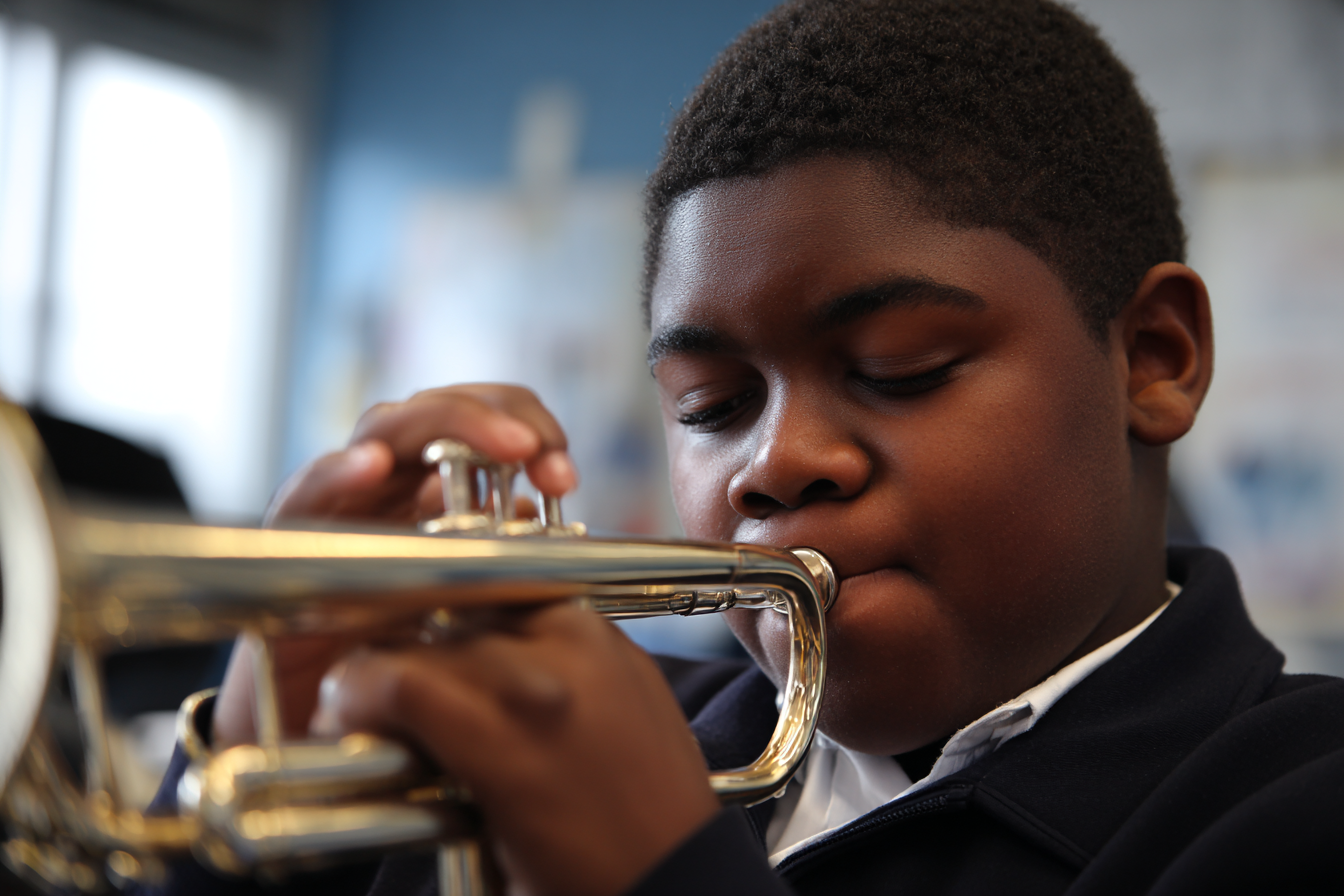
Focus: Demonstrate expressive decisions using dynamics, phrasing, tempo, articulation, and style, and compare different interpretations of the same band work.
Grade Level: 7
Subject Area: Band (Performing • Responding • Interpretation & Expression)
Total Unit Duration: 5 sessions (one week), 50–60 minutes per session
I. Introduction
In this unit, students move beyond “playing the notes” to making thoughtful interpretive decisions that bring music to life. Using short band excerpts, they explore how dynamics, articulation, phrasing, tempo, and style can dramatically change the character of a piece. They listen to and compare multiple recordings of the same work, citing evidence about tempo, balance, and style choices. Through guided practice, small-group work, and reflection, students learn to justify their expressive decisions and to describe which interpretations best match the style and composer’s intent. By the end of the week, they will perform a short excerpt with intentional expressive choices and explain those decisions using musical vocabulary.
Essential Questions
- How do dynamics, articulation, phrasing, and tempo change the way a piece of music feels and communicates?
- What does it mean to create an interpretation of a band piece rather than just playing what’s on the page?
- How can we use musical evidence (tempo, articulation, balance, style) to compare different performances of the same work?
- How can I explain and defend my expressive decisions as a performer in a way that respects the composer’s intent and the musical style?
II. Objectives and Standards
Learning Objectives — Students will be able to:
- Identify how changes in dynamics, articulation, phrasing, and tempo affect the mood and character of a short band excerpt.
- Perform short phrases in contrasting styles (e.g., legato vs. staccato, lyric vs. march-like) and explain which better matches a given style description.
- Compare at least two recordings of the same band work, citing specific differences in tempo, articulation, balance, and style.
- Make and justify expressive decisions in their own performance of a short excerpt, aligning choices with the piece’s style and expressive goal.
- Use appropriate musical vocabulary to discuss and evaluate interpretations, both as a performer and as a listener.
Standards Alignment — 7th Grade Band (custom, NAfME-style)
- BD:Pr4.7c — Explain and demonstrate how articulation, dynamics, tempo, phrasing, and style influence interpretation in band music.
- Example: Students perform a phrase in legato vs. staccato and explain which better fits a march.
- BD:Re8.7a — Compare interpretations of the same band work, citing evidence about tempo, articulation, balance, and style.
- Example: Students compare two recordings and explain which better matches the style.
Success Criteria — Student Language
- I can change dynamics, articulation, phrasing, and tempo on purpose to create different musical characters.
- I can explain why one way of playing a phrase fits a certain style better than another.
- I can listen to two performances of the same piece and point out specific differences in tempo, articulation, balance, and style.
- I can perform a short excerpt with clear expressive choices and explain why I chose them.
- I can use musical words like legato, staccato, crescendo, phrase, balance, style when I talk about interpretations.