Unit Plan 17 (Grade 7 Band): Rehearsing Created Music
Grade 7 band unit on rehearsal strategies using feedback and recordings to improve accuracy, blend, balance, intonation, and expressive ensemble performance.

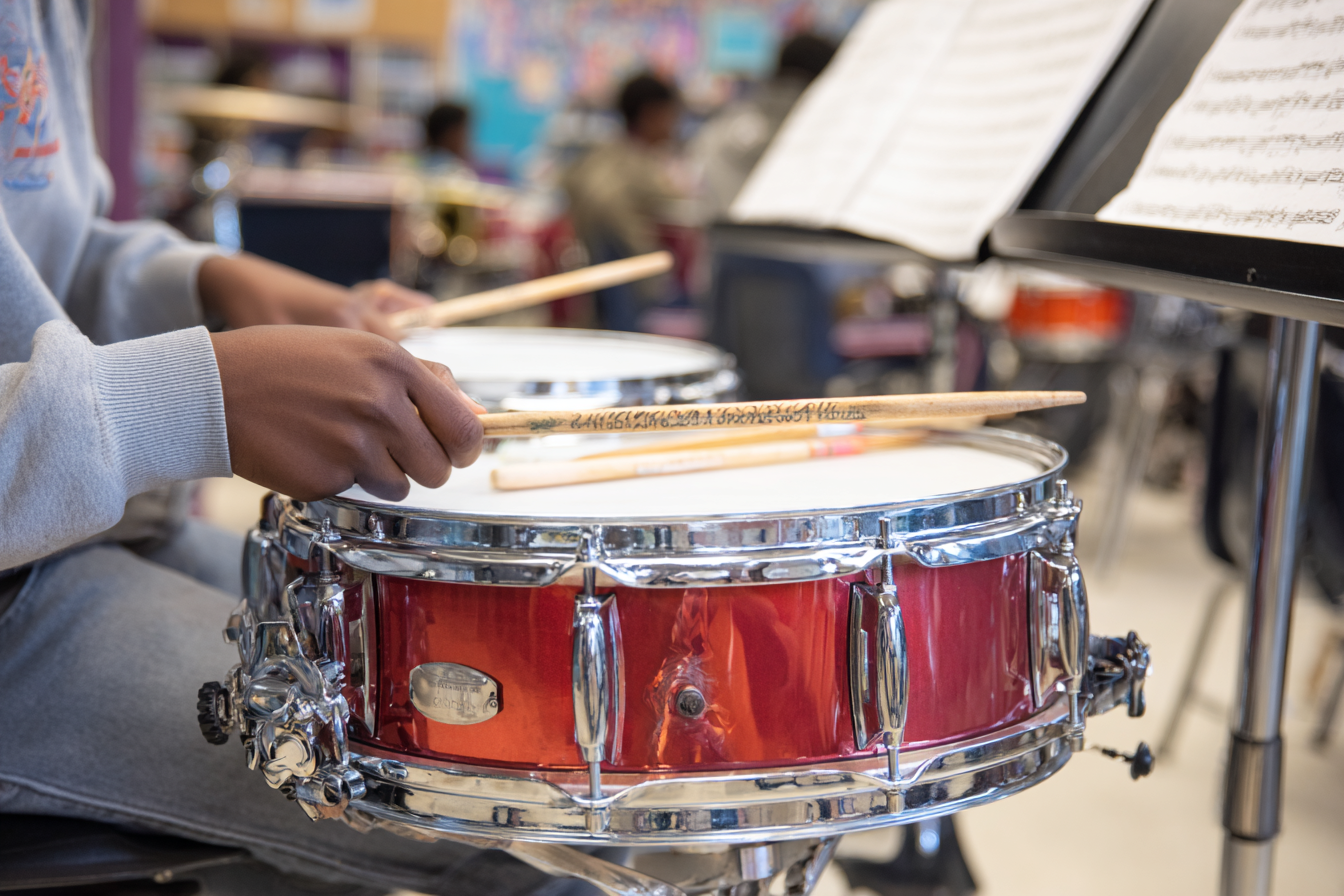
Focus: Rehearse original or arranged music using effective rehearsal strategies, peer/teacher feedback, and recordings to improve accuracy, blend, balance, intonation, and expression.
Grade Level: 7
Subject Area: Band (Performing • Creating • Rehearsal Techniques)
Total Unit Duration: 5 sessions (one week), 50–60 minutes per session
I. Introduction
In this unit, students treat their own created or arranged music like “real” band repertoire, using structured rehearsal strategies to make it performance-ready. They practice breaking music into smaller chunks, slowing down difficult spots, looping problem measures, and using metronomes and tuners to refine precision. Students also use teacher and peer feedback and, when available, rehearsal recordings to set clear goals and track improvement over the week. By the end of the unit, each group will lead a short rehearsal run of their piece, demonstrate targeted improvements, and explain which strategies and feedback were most helpful.
Essential Questions
- What makes a rehearsal effective, especially when working on music we created ourselves?
- How can strategies like slow practice, looping, and sectional work improve accuracy, intonation, and blend?
- How does feedback (from teachers, peers, and recordings) help us set goals and measure progress?
- How can we take responsibility for our own rehearsal habits so that our music sounds closer to what we imagined when we wrote it?
II. Objectives and Standards
Learning Objectives — Students will be able to:
- Apply at least three rehearsal strategies (e.g., slow practice, counting/clapping rhythms, looping, sectional work) to improve accuracy in their created or arranged music.
- Identify and address specific issues in intonation, blend, balance, and rhythmic precision within their group’s piece.
- Use teacher and peer feedback to set at least one rehearsal goal, then adjust performance based on that feedback.
- Use a rehearsal recording (if available) to notice strengths and weaknesses and plan next steps.
- Lead or contribute to a brief student-directed rehearsal segment, explaining which strategies they are using and why.
Standards Alignment — 7th Grade Band (custom, NAfME-style)
- BD:Pr5.7a — Apply rehearsal strategies to improve individual accuracy and ensemble blend, balance, intonation, and rhythmic precision.
- Example: Students isolate difficult measures, slow practice, and then rejoin the ensemble.
- BD:Pr5.7b — Use teacher/peer feedback and rehearsal recordings to set goals and track progress toward improved accuracy and expressiveness.
- Example: Students listen to a recording and set a weekly goal for tone or rhythm clarity.
Success Criteria — Student Language
- I can name and use specific rehearsal strategies (like slow practice or looping) to fix problems in our music.
- I can hear and help fix issues with rhythm, intonation, balance, and blend in my part and my group.
- I can use feedback from others to set a clear goal and work toward it.
- If we listen to a recording, I can point out something that improved and something we still need to work on.
- I can explain what rehearsal strategies my group used and how they helped our piece sound better.