Unit Plan 5 (Grade 7 Orchestra): Ensemble Timing & Clean Entrances
Grade 7 orchestra unit builds ensemble timing, internal pulse, and clean entrances using counting, cues, and rehearsal strategies.

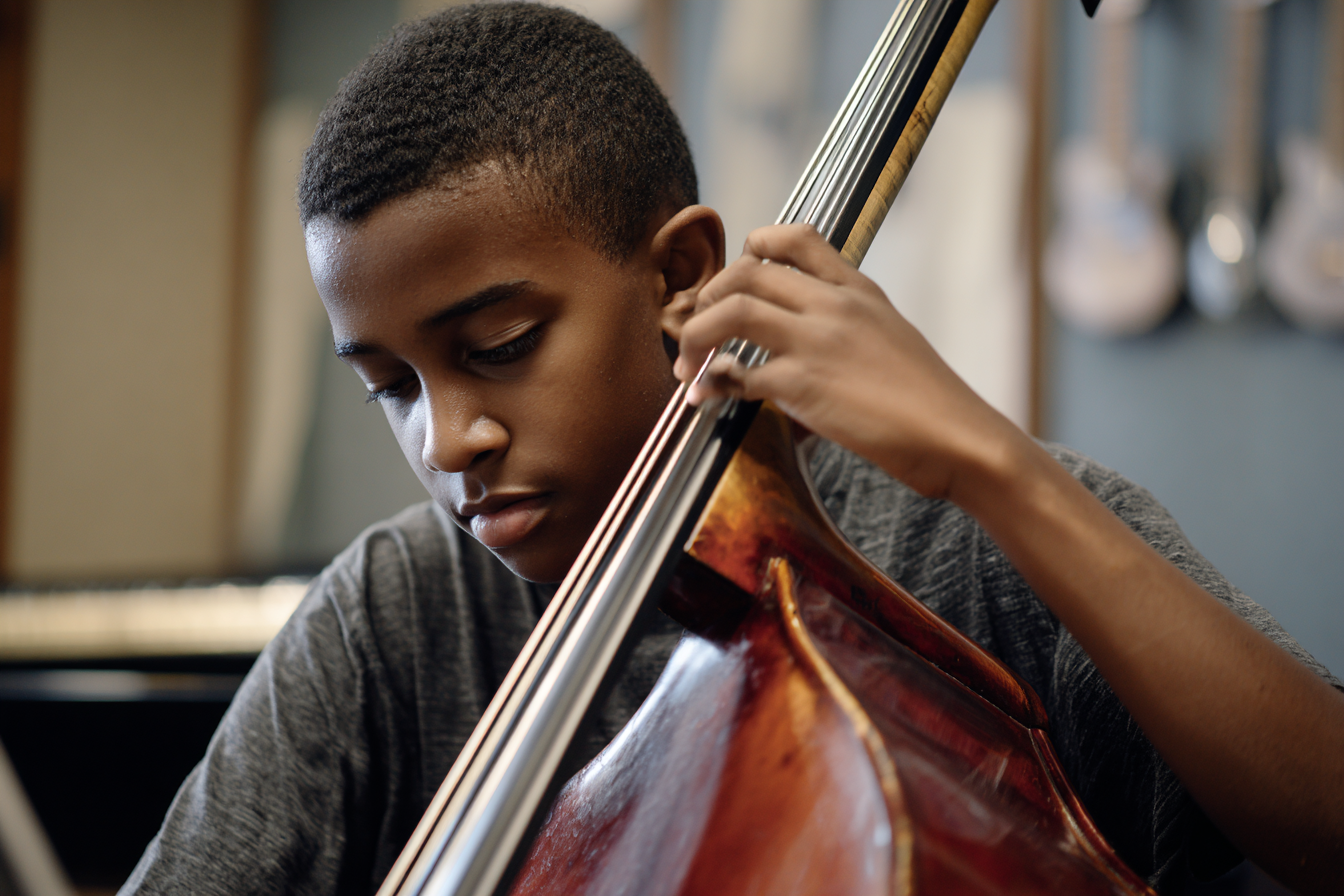
Focus: Develop counting, internal pulse, and accurate entrances/exits across parts using rehearsal strategies and awareness of musical form and cues.
Grade Level: 7
Subject Area: Orchestra (Ensemble Skills • Timing • Form & Cues)
Total Unit Duration: 5 sessions (one week), 50–60 minutes per session
I. Introduction
In this unit, Grade 7 orchestra students focus on playing together by strengthening their internal pulse, group counting, and accuracy with entrances and cutoffs. They learn how to track rests, pickups, and fermatas, and how to use conductor and section cues so that entrances line up cleanly across the ensemble. Students also begin to notice how musical elements and form—like dynamics, texture, and phrase structure—signal new sections and important entrances. By the end of the week, students create an Ensemble Timing & Entrances Map for a piece, showing where each section enters, exits, and how the form supports unity.
Essential Questions
- How do counting, internal pulse, and steady tempo help an orchestra stay together?
- What helps players make clean entrances and cutoffs, especially after long rests or tricky rhythms?
- How do musical elements (dynamics, texture, articulation) and form signal important entrances, transitions, and new sections?
- How can rehearsal strategies (slow practice, looping, metronome work, section rehearsal) improve ensemble timing and unity?
- In what ways does listening across the group make us more independent and reliable ensemble players?
II. Objectives and Standards
Learning Objectives — Students will be able to:
- Maintain a steady internal pulse using counting and subdivision, with or without a metronome, during shared exercises and excerpts.
- Read and track rests, pickups, and fermatas, making accurate entrances and releases in ensemble passages.
- Apply rehearsal strategies (slow practice, looping, metronome work, bowing isolation, section rehearsal) to fix timing and entrance issues in a short passage.
- Identify how musical elements and form (dynamics, texture, phrase/section changes) signal entrances, exits, and moments of contrast or unity in a piece.
- Create an Ensemble Timing & Entrances Map for a selected excerpt, labeling key entrances, exits, and formal sections, and use it to improve ensemble cohesion.
Standards Alignment — Grade 7 Orchestra (custom, NAfME-style)
- OR:Pr5.7a — Apply rehearsal strategies (slow practice, looping, bowing isolation, section rehearsal, metronome work) to improve accuracy and ensemble unity.
- Example: Students isolate a tricky bowing and practice it with a metronome before full ensemble rehearsal.
- OR:Re7.7a — Identify and describe how musical elements and form function together in orchestra music to create contrast, unity, and meaning.
- Example: Students explain how a dynamic shift and texture change signal a new section.
Success Criteria — Student Language
- I can count and subdivide in my head (or softly out loud) to keep a steady internal pulse.
- I can track rests and pickups so that my entrances and cutoffs are clean and match the ensemble.
- I can use rehearsal strategies like slow practice, looping, and metronome work to fix timing errors in a passage.
- I can describe how dynamics, texture changes, and form (A, B, etc.) show where important entrances happen in a piece.
- I can make and use an Ensemble Timing & Entrances Map that helps me know where and how to come in.