Unit Plan 22 (Grade 7 Orchestra): Evaluate Performances with Evidence
Evaluate Grade 7 orchestra performances using tone, intonation, rhythm, bow unity, expression, and balance criteria, citing evidence to guide growth.

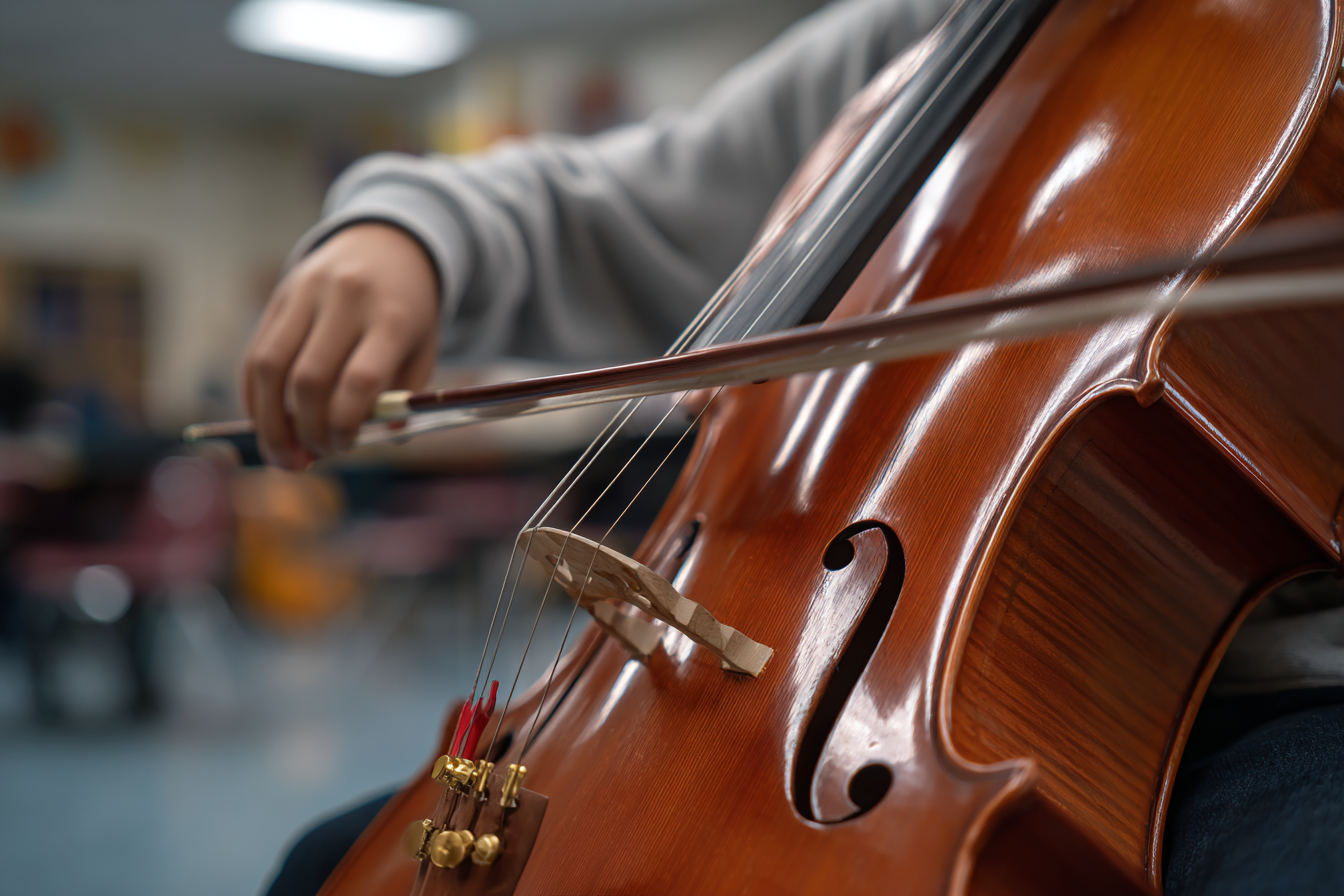
Focus: Evaluate orchestra performances using clear criteria (tone, intonation, rhythm accuracy, bow unity, expression, balance/blend) and justify judgments with specific musical evidence.
Grade Level: 7
Subject Area: Orchestra (Evaluation • Listening & Response • Performance Growth)
Total Unit Duration: 5 sessions (one week), 50–60 minutes per session
I. Introduction
In this unit, Grade 7 orchestra students move beyond “good” or “bad” and learn how to evaluate performances with evidence. Using live and recorded examples (including their own ensemble), they listen for tone quality, intonation, rhythm accuracy, bow unity, expression, and balance/blend. Students co-construct a performance rubric, practice giving specific, respectful feedback, and use measure numbers/time stamps to support their judgments. The unit ends with students creating a brief Performance Evaluation & Growth Plan that connects their observations to concrete next steps in rehearsal and individual practice.
Essential Questions
- What does it mean to evaluate a performance in a way that is fair, specific, and helpful?
- How do tone, intonation, rhythm accuracy, bow unity, expression, and balance/blend affect the overall quality of an orchestra performance?
- How can we use musical evidence (measures, time stamps, specific sounds) instead of vague opinions when we critique performances?
- How can thoughtful evaluation help us set realistic goals and improve as individual musicians and as an ensemble?
II. Objectives and Standards
Learning Objectives — Students will be able to:
- Define and use clear criteria for evaluating tone, intonation, rhythm accuracy, bow unity, expression, and balance/blend in a performance.
- Use rubrics and checklists to evaluate live and recorded performances, citing measure numbers or time stamps as evidence.
- Write or speak specific, respectful feedback that identifies strengths and areas for growth using musical vocabulary.
- Compare different performances (including their own ensemble) using the same criteria and evidence-based judgments.
- Develop a brief Performance Evaluation & Growth Plan that identifies personal and ensemble goals based on evaluation results.
Standards Alignment — Grade 7 Orchestra (custom, NAfME-style)
- OR:Re9.7a — Evaluate orchestra performances using established criteria (tone, intonation, rhythm accuracy, bow unity, expression, balance/blend) and justify judgments with evidence.
- Example: Students rate a performance and cite measures where intonation was strong or weak.
Success Criteria — Student Language
- I can explain what tone, intonation, rhythm accuracy, bow unity, expression, and balance/blend mean in orchestra.
- I can listen to a performance and point to specific places (measures or time stamps) to show where it was strong or needs work.
- I can use our rubric to give feedback that is clear, specific, and respectful.
- I can compare two performances using the same criteria and explain why one is stronger in a certain area.
- I can create a growth plan with one or two realistic goals based on the feedback and evaluation data.