Unit Plan 35 (Grade 7 Orchestra): Final Performance Prep
Grade 7 orchestra refines concert repertoire with recordings, rubrics, goal tracking, and focused rehearsal strategies to perform accurately, unify bowings, and play expressively.

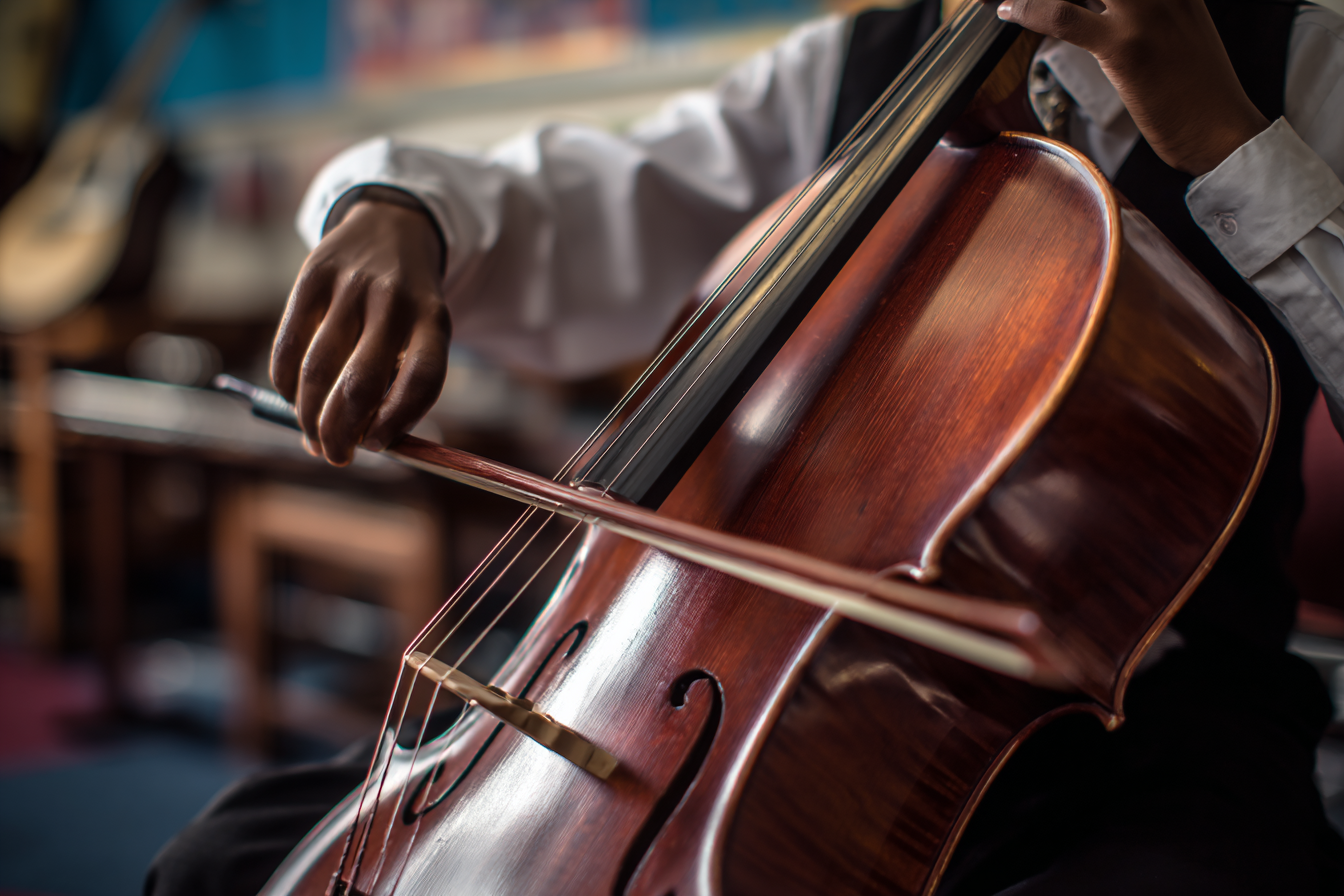
Focus: Refine concert repertoire through focused rehearsal, feedback, and goal tracking to achieve accurate, expressive performance.
Grade Level: 7
Subject Area: Orchestra (Rehearsal Strategies • Performance • Reflection)
Total Unit Duration: 5 sessions (one week), 50–60 minutes per session
I. Introduction
In this unit, Grade 7 orchestra students focus on preparing final performance repertoire with intentionality and precision. Using recordings, rubrics, and peer/teacher feedback, they identify strengths and next steps in intonation, rhythm accuracy, tone, bow unity, expression, and ensemble balance. Students set specific, trackable goals for targeted sections and apply rehearsal strategies to address them. By the end of the week, they will present a polished in-class or concert run-through, demonstrate developing stylistic understanding, and reflect on how focused preparation improved their performance.
Essential Questions
- What does it take to move a piece from “we can play it” to “we can perform it confidently and expressively”?
- How can recordings, rubrics, and feedback guide our decisions during final rehearsals?
- Which rehearsal strategies are most effective for improving intonation, rhythm accuracy, tone, and bow unity in a limited time?
- How can we tell if we are ready for a final performance, and what does that readiness look and sound like?
II. Objectives and Standards
Learning Objectives — Students will be able to:
- Use teacher/peer feedback and rehearsal recordings to identify specific strengths and areas for improvement in performance.
- Set clear, measurable goals related to intonation, rhythm, tone, bow unity, expression, or balance/blend for their concert repertoire.
- Apply targeted rehearsal strategies (metronome, looping, bowing isolation, sectionals, focused listening) to address identified issues.
- Perform their repertoire with accurate pitch and rhythm, characteristic tone, unified bowings, and expressive intent.
- Reflect on their progress over time, describing how focused prep and feedback improved the final performance.
Standards Alignment — Grade 7 Orchestra (custom, NAfME-style)
- OR:Pr5.7b — Use teacher/peer feedback and rehearsal recordings to set goals and track progress toward improved intonation, rhythm accuracy, tone, and expression.
- Example: Students listen to a recording and set a goal for cleaner entrances and more unified bowings.
- OR:Pr6.7a — Perform orchestra music with accurate pitch, rhythm, characteristic tone, unified bowing, and expressive intent, showing developing stylistic understanding.
- Example: Students perform a two- or three-part arrangement with steady tempo and dynamic contrast.
Success Criteria — Student Language
- I can use recordings and feedback to name specific spots in our music that need work and what needs to change.
- I can set specific goals (for example, “cleaner off-the-string bowing at letter B,” “stronger crescendo into measure 24”) and work toward them.
- I can use rehearsal strategies like looping, metronome work, and bowing isolation to fix problems instead of just playing straight through.
- I can perform our music with accurate notes and rhythms, consistent tone, unified bowings, and clear expression.
- I can explain how our ensemble improved from earlier rehearsals to the final performance.