Unit Plan 16 (Grade 7 Orchestra): Interpretation Tools—Tone, Phrasing, Style
Grade 7 orchestra unit explores tone color, phrasing, dynamics, and articulation to shape interpretation and communicate musical meaning.

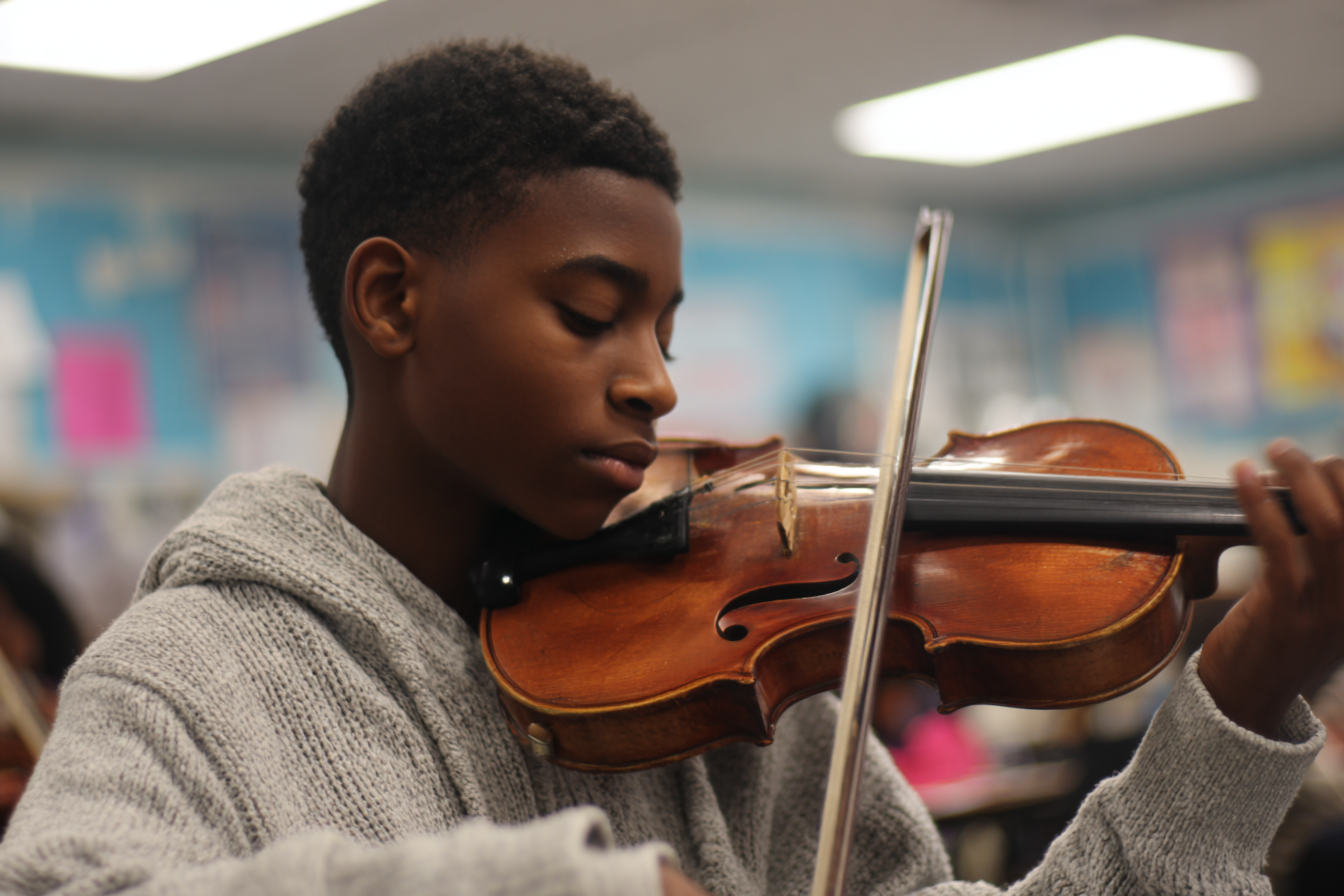
Focus: Demonstrate how tone color, phrasing, and style choices (dynamics, articulation, tempo) affect musical meaning and listener experience.
Grade Level: 7
Subject Area: Orchestra (Interpretation • Listening • Performance)
Total Unit Duration: 5 sessions (one week), 50–60 minutes per session
I. Introduction
In this unit, Grade 7 orchestra students explore how interpretive choices turn correct notes into expressive music. Through listening, guided experimentation, and short performance tasks, they see how changes in tone color, bowing articulation, dynamics, tempo, and phrasing can completely transform the character of a passage. Students compare different recordings/interpretations of the same excerpt and then apply these tools to their own playing. The week culminates in a short Interpretation Mini-Performance, where students perform a phrase in two different styles and explain which better matches the intended musical meaning.
Essential Questions
- How do tone color and phrasing change the way a piece of music feels and what it seems to “say”?
- In what ways do dynamics, tempo, and articulation/bowing influence style and interpretation in string music?
- How can we compare two different interpretations and decide which one communicates the music more clearly?
- How can we use interpretation tools to make our own performances more expressive and meaningful?
II. Objectives and Standards
Learning Objectives — Students will be able to:
- Explain how dynamics, tempo, articulation/bowing, phrasing, and tone color influence interpretation in string music.
- Experiment with different tone colors (e.g., closer to the bridge vs. over the fingerboard), articulations, and phrasing shapes on a short passage.
- Compare at least two recordings or live interpretations of the same excerpt, citing evidence about tempo, dynamics, articulation/bowing, phrasing, and ensemble unity.
- Perform a short passage in two contrasting styles and describe their interpretive choices using musical vocabulary.
- Present a brief Interpretation Mini-Performance & Explanation that connects specific choices in tone, phrasing, and style to musical meaning.
Standards Alignment — Grade 7 Orchestra (custom, NAfME-style)
- OR:Pr4.7c — Explain and demonstrate how dynamics, tempo, bowing articulation, phrasing, and tone color influence interpretation in string music.
- Example: Students perform a phrase spiccato vs. legato and explain which better matches the style.
- OR:Re8.7a — Compare interpretations of the same string work, citing evidence related to tempo, dynamics, articulation/bowing, phrasing, and ensemble unity.
- Example: Students compare two recordings and explain which has clearer phrasing and why.
Success Criteria — Student Language
- I can describe how tone color and phrasing change the character of a passage.
- I can show at least two different interpretations of the same phrase using changes in dynamics, articulation, and tempo.
- I can compare two recordings or performances, using evidence about tempo, dynamics, bowing, phrasing, and ensemble unity.
- I can explain why one interpretation might fit the style or mood better than another.
- I can perform a short excerpt in a way that clearly shows my interpretive choices and explain them in words.