Unit Plan 14 (Grade 7 Orchestra): Notation with Bowings
Grade 7 orchestra unit teaches students to notate pitch, rhythm, dynamics, phrasing, and bowings so peers can clearly read and perform their music.

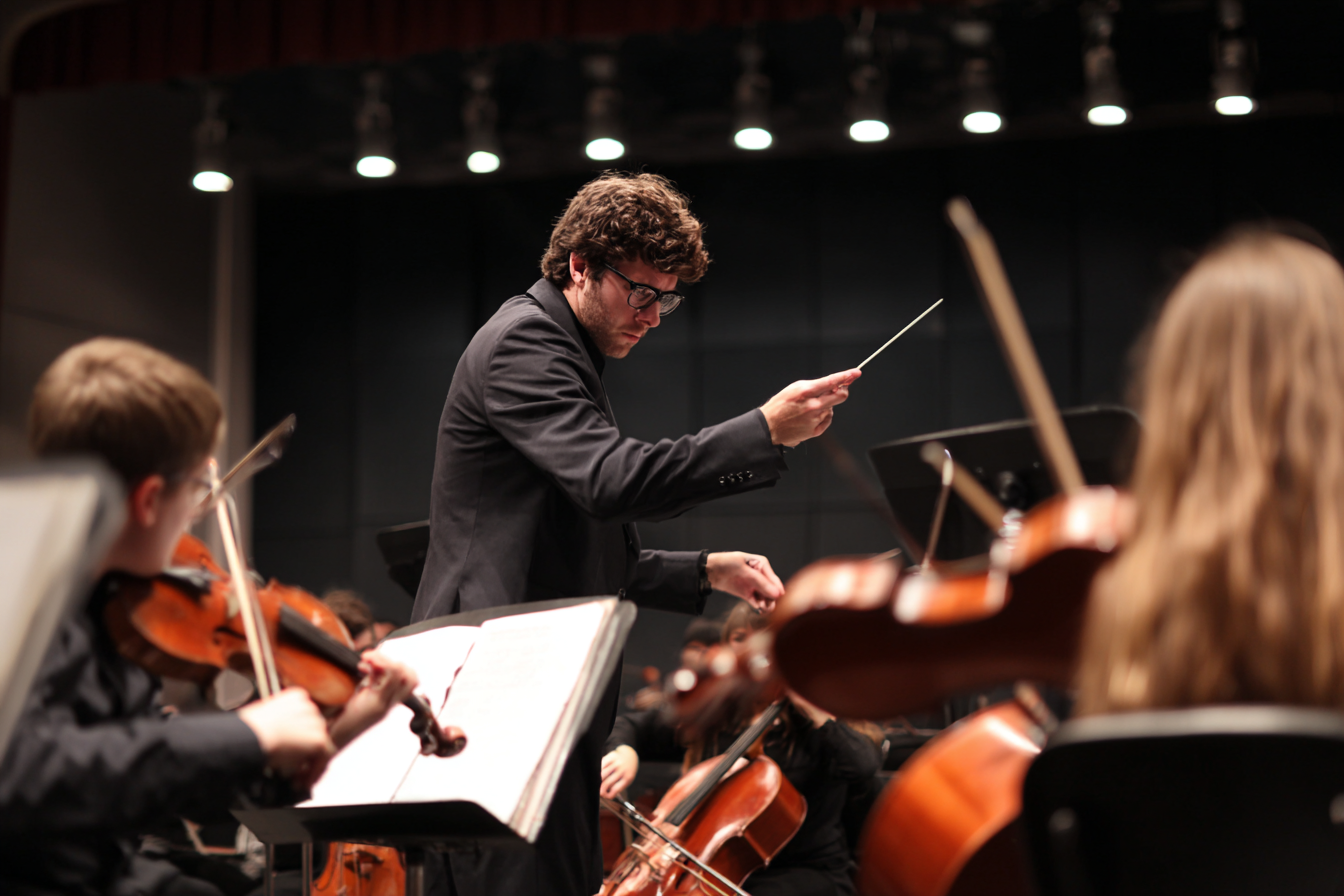
Focus: Accurately notate compositions using standard notation, including pitch, rhythm, dynamics, phrasing, and bowing indications (slurs, staccato, accents) so that other string players can clearly understand and perform the music.
Grade Level: 7
Subject Area: Orchestra (Composition • Notation • Technique)
Total Unit Duration: 5 sessions (one week), 50–60 minutes per session
I. Introduction
In this unit, Grade 7 orchestra students focus on turning musical ideas into clear, readable notation. Building on their work with motives, melodies, and form, they learn how to add bowing markings, dynamics, and phrasing slurs so that a performer knows how to play the music—not just which notes and rhythms. Students examine real orchestra scores, practice decoding bowings and expressive markings, and then apply these tools to their own short compositions. The week culminates with a Notation & Bowing Check, where peers try to play each other’s pieces using only the written instructions.
Essential Questions
- Why is it important to notate dynamics, phrasing, and bowings instead of just notes and rhythms?
- How do markings like slurs, staccato, accents, and phrase lines change the way music sounds and feels?
- What makes a part easy to read for another string player, and what can make it confusing?
- How does careful notation help us communicate our expressive intent as composers and leaders in orchestra?
II. Objectives and Standards
Learning Objectives — Students will be able to:
- Read and interpret bowing indications (slurs, separate bows, staccato dots, accents) and dynamic markings in simple scores.
- Add appropriate bowings, dynamics, and phrasing slurs to a short melody so that it matches a chosen style or mood.
- Use standard notation and/or music technology to document a short composition, including pitch, rhythm, dynamics, and bowing indications.
- Revise notation for clarity and playability, checking for consistent markings across similar phrases.
- Share their notated piece with peers and evaluate whether others can accurately perform the intended bowings and expression from the page alone.
Standards Alignment — Grade 7 Orchestra (custom, NAfME-style)
- OR:Cr2.7b — Use standard notation and/or music technology to document compositions, including pitch, rhythm, dynamics, and bowing indications (slurs, staccato, accents).
- Example: Students notate a melody and add slur patterns and staccato marks where appropriate.
Success Criteria — Student Language
- I can read and explain bowing markings and dynamic symbols I see in orchestra music.
- I can choose slurs, separate bows, staccato, accents, and phrase lines that match the style I want.
- I can write my music so another string player can easily understand what to play and how to play it.
- I can check and fix my notation so that similar phrases have matching markings.
- I can listen to someone play my piece and tell if my notation matched my intentions.