Unit Plan 4 (Grade 7 Orchestra): Reading Upgrade—Rhythm & Key Skills
Grade 7 orchestra unit strengthens rhythm reading, key signatures, and finger patterns to build confident, steady sight-reading.

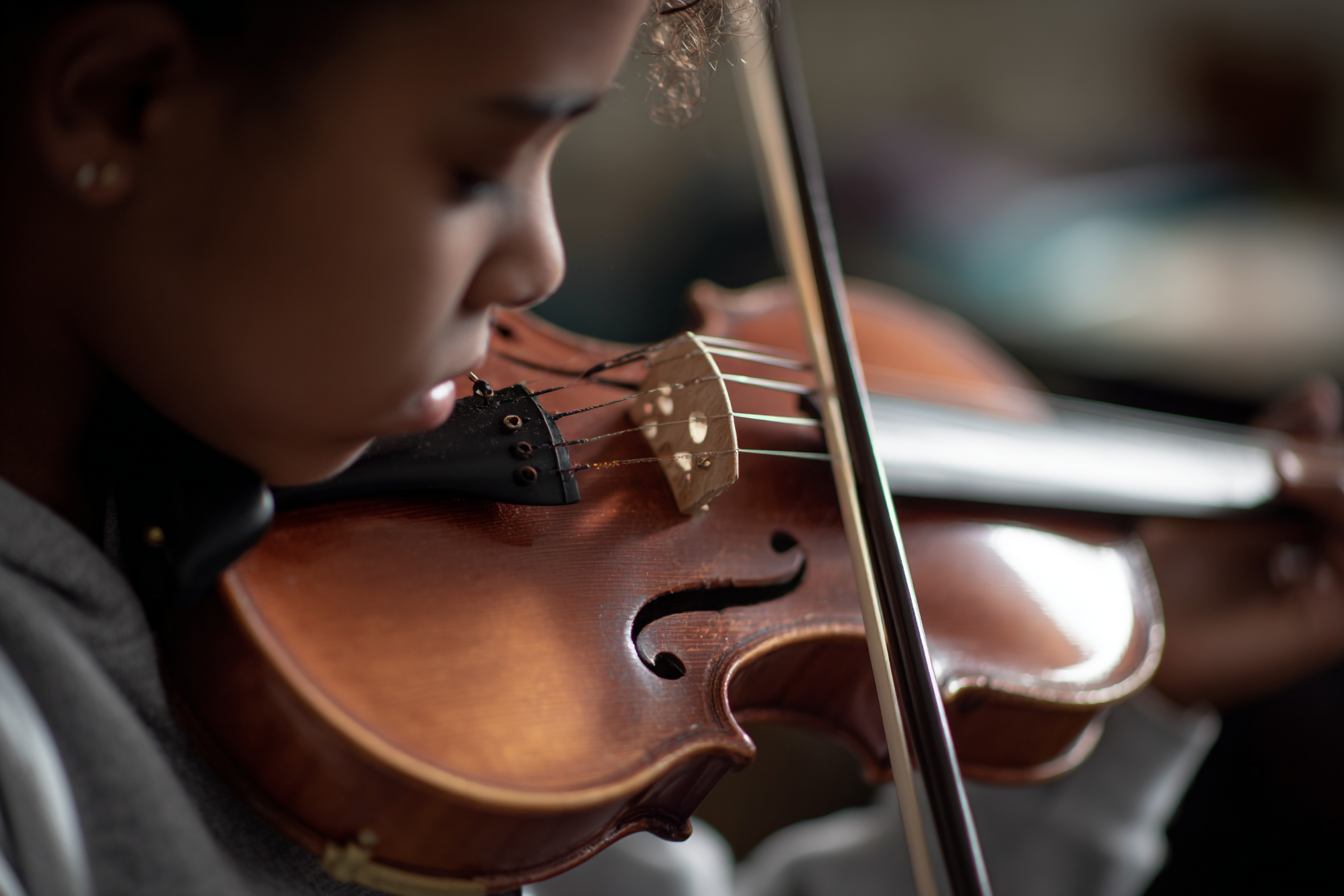
Focus: Read and perform expanded rhythms and key signatures (with related finger patterns and simple shifting readiness) at a steady tempo, using standard notation.
Grade Level: 7
Subject Area: Orchestra (Reading • Rhythm Skills • Keys & Finger Patterns)
Total Unit Duration: 5 sessions (one week), 50–60 minutes per session
I. Introduction
In this unit, Grade 7 orchestra students upgrade their music reading skills by tackling more complex rhythms (including syncopation, ties, dotted patterns) and a wider range of key signatures. They connect what they see on the page—time signatures, note values, key signatures, finger patterns—to what they feel in their hands and hear in their ears. Through clapping, counting, open-string practice, and short reading etudes, students work on keeping a steady tempo and matching correct finger patterns to each key. By the end of the week, they create a Reading Strategy Card that outlines how they will approach new music with confidence.
Essential Questions
- How do rhythm notation (note values, rests, ties, syncopation) and steady tempo work together to make music feel clear and organized?
- How do key signatures and finger patterns help us know which notes and finger placements to use on each string?
- What reading strategies (like counting aloud, subdividing, scanning key/time signatures) help us perform new music more accurately?
- How can improving our reading skills make rehearsals smoother and help the whole orchestra stay together?
II. Objectives and Standards
Learning Objectives — Students will be able to:
- Read and clap/play expanded rhythms (including dotted notes, ties, simple syncopation) at a steady tempo.
- Identify and name common key signatures used in their music (e.g., D, G, C, A major; related minors as appropriate) and match them to finger patterns.
- Perform short rhythm and reading etudes that combine expanded rhythms and key signatures while maintaining a steady tempo.
- Apply reading strategies (counting aloud, subdividing, scanning for key/time signatures, marking finger patterns) before and during playing.
- Create a Reading Strategy Card that lists steps they will use when sight-reading or learning new orchestra pieces.
Standards Alignment — Grade 7 Orchestra (custom, NAfME-style)
- OR:Pr4.7b — Read and perform orchestra music using standard notation, including expanded rhythms, key signatures, finger patterns, and simple shifting readiness, maintaining steady tempo.
- Example: Students perform music with syncopation, slurs, and changing dynamics accurately.
Success Criteria — Student Language
- I can read and clap expanded rhythms (including dotted notes and simple syncopation) and then play them on my instrument.
- I can look at a piece and identify the key signature, then choose the correct finger pattern for that key.
- I can keep a steady tempo when reading music, using a metronome or internal counting as needed.
- I can use reading strategies (like counting in, subdividing, and checking key signatures) before I play a new line.
- I can explain and use my Reading Strategy Card when learning or sight-reading new music.