Unit Plan 33 (Grade 7 PE): 3v3 Tournament — Student Choice Sport
Grade 7 3v3 tournament unit builds advanced tactics, stress management, fair self-officiating, and student-led event organization in competitive play.

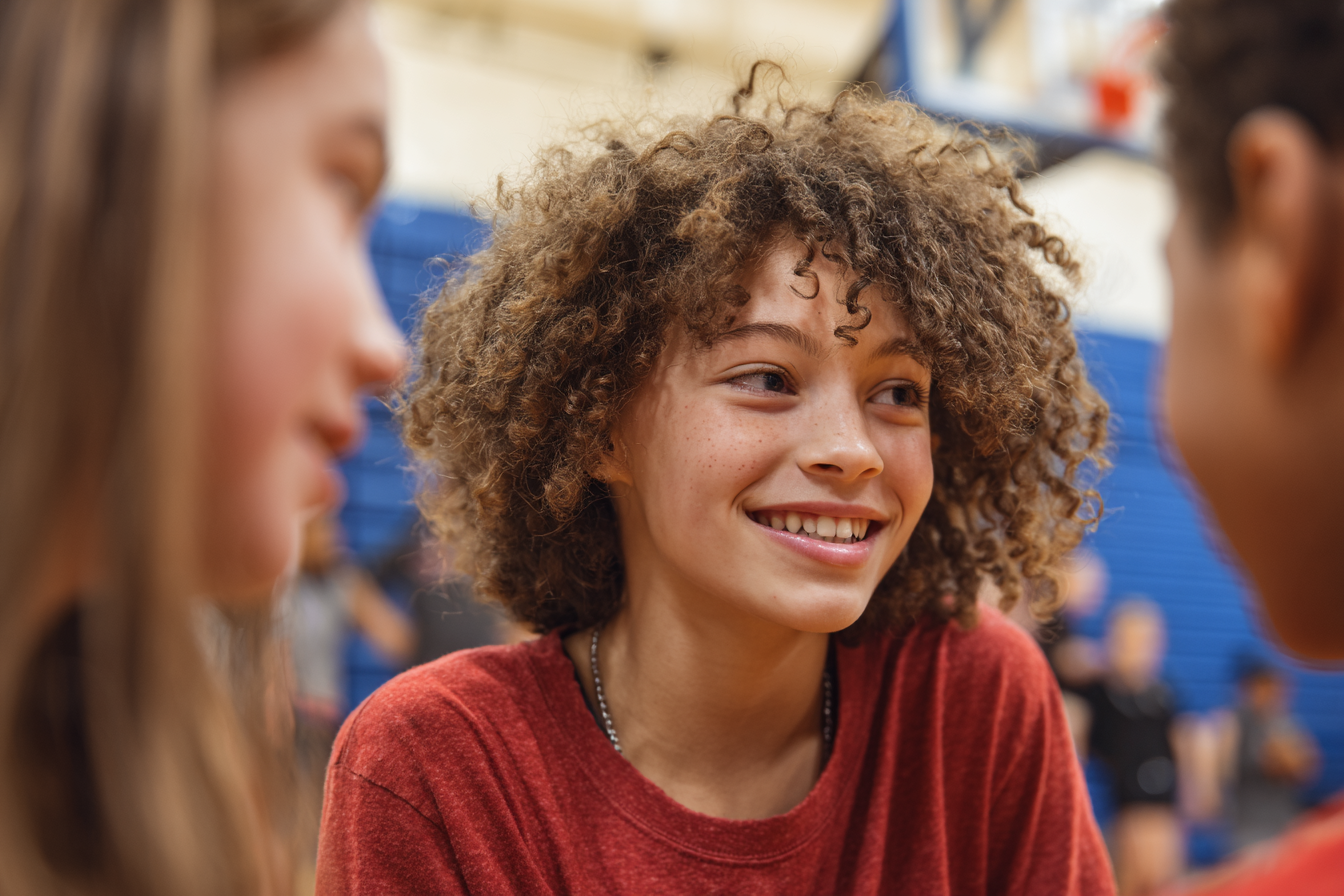
Focus: Apply advanced offensive and defensive tactics, manage competitive stress, and run a student-led 3v3 sporting event with clear rules, fair officiating, and efficient tournament organization.
Grade Level: 7
Subject Area: Physical Education
Total Unit Duration: 5 sessions (one week), 45–55 minutes per session
I. Introduction
In this Grade 7 Physical Education unit, students participate in a 3v3 tournament built around a student-choice sport such as soccer, basketball, handball, or floor hockey. The unit is designed to move beyond simple game participation by asking students to combine skill execution, tactical decision-making, tournament organization, sportsmanship, and self-officiating. Students not only play, but also help run the event through roles such as captains, scorekeepers, referees, and scheduling teams. Because tournament play can raise intensity and emotions, the unit also emphasizes clear rules, respectful communication, fair conflict resolution, and strategies for staying composed under pressure. By the end of the week, students should be able to explain how small-sided tactics, responsible game management, and emotional control all contribute to a successful student-run sporting event.
Essential Questions
- How do 3v3 tactics differ from larger team-game strategies?
- What rules and procedures help a student-run tournament stay fair, safe, and efficient?
- How can students stay composed and make smart decisions during competitive game play?
- What responsibilities matter when students are not just players, but also event organizers and officials?
II. Objectives and Standards
Learning Objectives — Students will be able to:
- Combine locomotor, manipulative, and stability skills fluidly during extended 3v3 game play.
- Apply offensive tactics such as spacing, give-and-go, quick support, passing angles, and identifying mismatches.
- Apply defensive tactics such as marking, help defense, transition recovery, and protecting dangerous space.
- Stay consistently active during tournament rounds and role rotations with minimal downtime.
- Monitor personal effort and recovery across multiple rounds of game play and adjust as needed.
- Explain how repeated game play in a tournament format challenges different fitness components and activity demands.
- Demonstrate leadership, inclusion, and teamwork while rotating through player and event-management roles.
- Manage competitive stress with self-control and positive sportsmanship.
- Resolve disagreements fairly using agreed self-officiating procedures.
Standards Alignment — Grade 7 PE (SHAPE America-based custom)
- PE:S1.7f – Integrating Multiple Skills Fluidly During Extended Play Combine locomotor, manipulative, and stability skills in extended game play, maintaining control and appropriate technique even when fatigued or under pressure.
- Example: In a 3v3 game, a student dribbles or advances, passes, cuts to space, receives again, and finishes a play while staying balanced and under control.
- PE:S2.7d – Offensive Strategies: Creating & Exploiting Opportunities Select and apply offensive strategies such as using screens, give-and-go, overlaps, switching fields, and recognizing mismatches to create scoring chances.
- Example: In 3v3 games, students use quick passing, spacing, and support movement to create higher-quality scoring chances.
- PE:S2.7e – Defensive Strategies: Marking, Help Defense & Transition Implement defensive principles including marking, staying between opponent and goal, providing help defense, recovering in transition, and adjusting to changes in possession.
- Example: When possession changes in 3v3 play, students recover quickly, pick up the most dangerous player or space, and communicate help responsibilities.
- PE:S3.7a – Consistent Engagement in Moderate-to-Vigorous Activity Participate actively and consistently in moderate-to-vigorous physical activity for significant portions of class and show effort to reduce non-active time.
- Example: During tournament rounds, warm-ups, and role rotations, students stay active and involved rather than standing and waiting passively.
- PE:S3.7b – Monitoring Activity Intensity & Making Adjustments Use heart rate, perceived exertion, talk test, or other tools to monitor activity intensity and adjust pace, duration, or rest to meet personal goals or target zones.
- Example: During repeated tournament rounds, students notice when they need to pace their effort, recover more efficiently, or increase intensity during critical moments.
- PE:S3.7c – Applying Fitness Components & Training Principles Explain how different activities develop specific fitness components and apply FITT principles when designing and choosing workouts.
- Example: Students explain that 3v3 games demand repeated short bursts, agility, coordination, and muscular/cardiorespiratory endurance across multiple rounds.
- PE:S3.7d – Developing, Implementing & Evaluating a Fitness Plan Create a short-term fitness plan that includes realistic goals, chosen activities, and planned FITT details, follow it for a set time, and evaluate progress and barriers.
- Example: Students reflect on how tournament play connects to their broader activity habits and what physical qualities they may need to improve for similar events.
- PE:S4.7b – Cooperative Teamwork, Leadership & Inclusion Work effectively with diverse peers, taking on and rotating leadership roles (captain, coach, referee, equipment manager) while ensuring all teammates are included and valued.
- Example: A student helps lead a warm-up, supports quieter teammates during tournament planning, and shares responsibilities fairly.
- PE:S4.7c – Self-Control, Sportsmanship & Emotional Regulation in Competition Demonstrate self-control and positive sportsmanship in both winning and losing situations, managing frustration, and responding to mistakes constructively.
- Example: After a close loss or disputed play, a student stays calm, accepts the decision, and refocuses on the next round.
- PE:S4.7d – Resolving Conflicts & Self-Officiating Fairly Use respectful communication and agreed-upon strategies (replay, rock-paper-scissors, majority vote, rotating officials) to resolve conflicts and make impartial calls.
- Example: When teams disagree on a boundary, goal, point, or possession call, they use the class conflict-resolution protocol and restart efficiently.
Success Criteria — Student Language
- I can apply 3v3 offensive and defensive tactics in my sport.
- I can follow tournament rules and help the event stay organized.
- I can play hard while still showing self-control and sportsmanship.
- I can help officiate fairly and solve disagreements respectfully.
- I can stay active and manage my effort across multiple rounds.
- I can contribute as both a player and a student event organizer.