Unit Plan 36 (Grade 7 PE): Activity Festival & Lifelong Movement Reflection
Grade 7 Activity Festival unit celebrates growth, builds self-reflection, and helps students identify lifelong movement options for health and well-being.

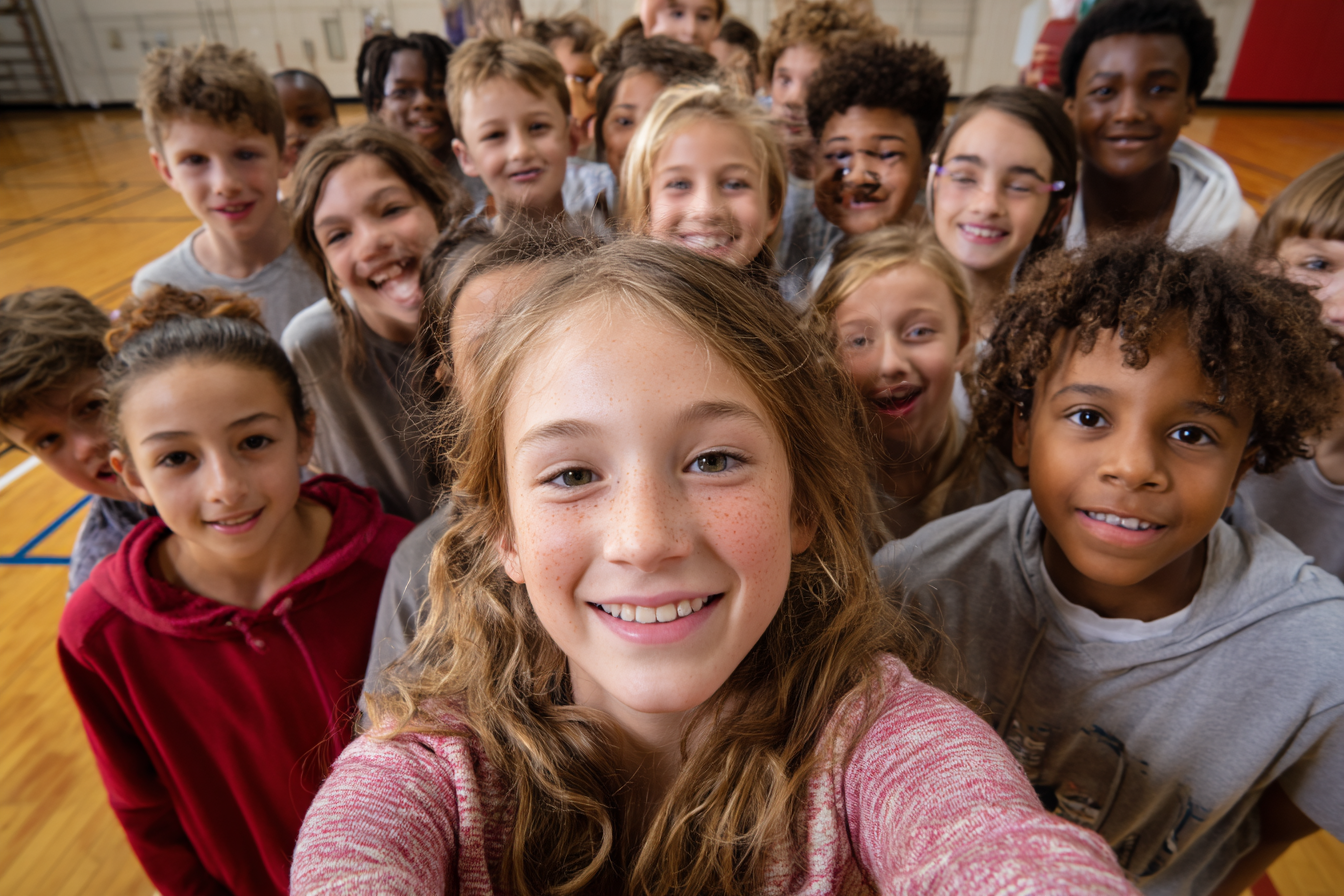
Focus: Celebrate growth through an Activity Festival, reflect on personal strengths and preferences, and identify realistic lifelong movement options that support health and well-being.
Grade Level: 7
Subject Area: Physical Education
Total Unit Duration: 5 sessions (one week), 45–55 minutes per session
I. Introduction
In this Grade 7 Physical Education unit, students celebrate their progress through a student-centered Activity Festival built around favorite games and activities from the year. Rather than introducing a completely new skill set, this unit gives students the chance to revisit meaningful activities, recognize how they have grown, and reflect on what types of movement they most enjoy and are most likely to continue. The unit emphasizes that Physical Education is not only about what students do during class, but also about helping them understand how physical activity supports physical health, mental well-being, and social connection. Through festival rotations and reflection, students consider which activities match their interests, strengths, and realistic opportunities outside school. By the end of the week, students should be able to explain how regular movement can fit into a healthy lifestyle and identify activities they could continue into adolescence and adulthood.
Essential Questions
- How have my movement skills, confidence, and activity preferences changed this year?
- What types of physical activity fit my strengths, interests, and lifestyle best?
- How does regular movement support physical, mental, and social well-being?
- What are realistic ways I can stay active beyond PE class?
II. Objectives and Standards
Learning Objectives — Students will be able to:
- Participate actively and consistently in festival activities for significant portions of class time.
- Reflect on healthy lifestyle choices that influence energy, performance, and overall wellness.
- Identify personal strengths and preferred activity types based on their experiences this year.
- Explain how regular physical activity supports physical fitness, stress relief, focus, mood, and social connection.
- Explore and identify lifelong physical activity options that feel realistic and meaningful.
- Create or discuss a simple plan for staying active in and out of school.
Standards Alignment — Grade 7 PE (SHAPE America-based custom)
- PE:S3.7a – Consistent Engagement in Moderate-to-Vigorous Activity Participate actively and consistently in moderate-to-vigorous physical activity for significant portions of class and show effort to reduce non-active time.
- Example: During festival rotations, students stay engaged in activities, move quickly between stations, and remain active throughout class.
- PE:S3.7e – Making and Reflecting on Healthy Lifestyle Choices Identify and reflect on daily choices (activity, nutrition, sleep, hydration, substance avoidance, screen time) that impact health, and commit to improving at least one area.
- Example: A student reflects on how regular activity, sleep, and hydration affect energy and participation in favorite PE activities.
- PE:S5.7a – Identifying Preferred Activities & Personal Strengths Identify physical activities they enjoy and areas of strength and use this insight to make activity choices and set personal improvement goals.
- Example: A student recognizes they enjoy small-sided games, walking/running, or cooperative challenges and can explain why those activities fit them well.
- PE:S5.7b – Describing Physical, Mental & Social Benefits of Activity Explain how regular physical activity supports physical fitness, mental health (stress relief, mood, focus), and social well-being (friendships, teamwork, belonging).
- Example: Students explain how staying active helps them feel healthier, more focused, less stressed, and more connected to others.
- PE:S5.7c – Exploring Lifelong Physical Activity Options Identify and explore a variety of physical activities that can continue into teen and adult life, including both competitive and non-competitive options.
- Example: Students identify activities such as walking, running, cycling, Frisbee Golf, recreation leagues, yoga, hiking, fitness training, or casual court games as lifelong options.
- PE:S5.7d – Planning & Seeking Opportunities for Regular Activity Make simple plans for being physically active across a week, both in and out of school, and recognize or seek out local opportunities to be active.
- Example: A student describes how PE, neighborhood walks, park activities, school clubs, family recreation, or weekend movement could fit into a regular weekly plan.
Success Criteria — Student Language
- I can stay actively involved in festival activities and transitions.
- I can explain how physical activity benefits my body, mind, and relationships.
- I can identify activities I enjoy and movement strengths I have developed.
- I can name realistic lifelong activities that fit my interests and life.
- I can reflect on healthy choices that support being active.
- I can make a simple plan for continuing regular movement beyond PE.
III. Materials and Resources
Tasks & Tools (teacher acquires/curates)
- Equipment for top student-voted activities from the year such as:
- balls
- cones
- pinnies
- jump ropes
- scooters
- Frisbees
- fitness equipment
- nets or targets as needed
- Whiteboard or chart paper for:
- festival rotation schedule
- activity station names
- reflection prompts
- lifelong movement ideas
- healthy habit reminders
- Clipboards, pencils, reflection sheets, or planning cards for closing activities.
- Stopwatch or timer for station rotation and transition management.
- Optional student role cards such as:
- station leader
- encourager
- equipment helper
- reflection facilitator
Preparation
- Identify several student-voted favorite activities from earlier in the year and set up clearly marked rotation stations.
- Organize stations so that activities represent a mix of:
- games
- fitness
- cooperative challenges
- individual or partner movement options
- Post visible reminders such as:
- stay active
- include others
- celebrate growth
- reflect honestly
- think beyond PE
- Prepare final reflection options such as:
- quick-write
- partner share
- circle discussion
- lifelong movement planning card
Common Misconceptions to Surface
- “Only traditional sports count as lifelong physical activity.” → Many students may prefer walking, hiking, yoga, recreation games, fitness classes, or outdoor activities.
- “Being active only matters in PE class.” → Regular activity beyond school is what supports long-term health and well-being.
- “If I am not the best at something, it is not for me.” → Enjoyment, access, and consistency matter just as much as performance.
- “Physical activity only helps the body.” → Movement also supports mood, stress relief, focus, confidence, and social connection.
Key Terms (highlight in lessons) physical activity, healthy choices, strengths, preferences, benefits, lifelong movement, well-being, consistency, reflection, activity plan, social connection, stress relief, fitness
IV. Lesson Procedure
(Each day follows: Launch → Warm-Up → Game/Activity → Reflect. Timing for a 45–55 minute block.)
Session 1 — Looking Back at Growth
- Launch (5–7 min)
- Ask: “What activities from this year made you feel successful, challenged, or excited to participate?”
- Discuss how improvement can show up in:
- confidence
- effort
- teamwork
- skill growth
- willingness to try new things
- Introduce the Activity Festival as a way to celebrate growth rather than just repeat favorite games.
- Warm-Up (8–10 min) — Favorite Student-Designed Warm-Up from the Year
- Equipment: Depends on selected warm-up.
- Procedure:
- A student-selected or teacher-curated favorite warm-up is used from earlier in the year.
- Students are encouraged to notice how much more independently and confidently they can complete a familiar routine now.
- Teacher emphasizes active participation and positive tone.
- Game/Activity (28–30 min) — Festival Rotation Round 1
- Equipment: Activity station setup.
- Procedure:
- Students rotate through several top student-voted activities.
- Clear festival rules:
- Students must participate actively at each station.
- Students rotate on signal and move quickly and respectfully.
- Equipment must remain at the correct station.
- Students are expected to include others and avoid “shutting down” a game because it is not their top choice.
- Stations should reflect celebration and effort, not elimination or exclusion.
- Teacher observes which activities students are naturally drawn to and how they interact with others.
- Reflect (5 min)
- Prompt: “Which activity reminded you most of how much you have grown this year?”
Session 2 — Identifying Strengths & Preferences
- Launch (5–7 min)
- Ask: “What kinds of movement activities fit you best?”
- Discuss possible strengths such as:
- endurance
- coordination
- strategy
- teamwork
- balance
- perseverance
- Help students understand that preference and strength are both important when choosing activities.
- Warm-Up (8–10 min) — Favorite Student-Designed Warm-Up from the Year
- Equipment: Based on selected warm-up.
- Procedure:
- Students complete another favorite warm-up, possibly with minor student leadership.
- Teacher prompts students to notice whether they feel more confident in certain types of movement now than earlier in the year.
- Game/Activity (28–30 min) — Festival Rotation Round 2
- Equipment: Festival station setup.
- Procedure:
- Students continue rotating through favorite activities with emphasis on:
- trying more than one type of movement
- recognizing which activities feel enjoyable or successful
- noticing what kinds of movement demands they prefer
- Teacher may ask students to track:
- one favorite station
- one station that fits a strength
- one station that might become a lifelong option
- Students continue rotating through favorite activities with emphasis on:
- Reflect (5 min)
- Prompt: “What activity felt most like a good match for your strengths or personality today?”
Session 3 — Benefits of Activity Beyond PE
- Launch (5–7 min)
- Ask: “How does regular activity help people beyond just getting stronger or faster?”
- Discuss:
- stress relief
- mood
- focus
- friendships
- confidence
- healthy routines
- Connect activities from the year to benefits students may have personally noticed.
- Warm-Up (8–10 min) — Favorite Student-Designed Warm-Up from the Year
- Equipment: Based on selected warm-up.
- Procedure:
- Students complete the warm-up and briefly discuss how movement affects how they feel physically and mentally before and after.
- Game/Activity (28–30 min) — Festival Rotation Round 3
- Equipment: Festival stations.
- Procedure:
- Students rotate through stations again, but now reflection is tied to benefits:
- Which activity feels energizing?
- Which one feels stress-relieving?
- Which one builds connection with others?
- Which one feels easiest to imagine doing outside school?
- Teacher emphasizes that different activities can support different parts of well-being.
- Students rotate through stations again, but now reflection is tied to benefits:
- Reflect (5 min)
- Prompt: “Which activity today seemed most helpful for physical health, mental wellness, or social connection?”
Session 4 — Lifelong Movement Options & Realistic Choices
- Launch (5–7 min)
- Ask: “What activities could realistically stay part of your life as you get older?”
- Discuss lifelong movement categories such as:
- walking/running
- outdoor recreation
- recreation games
- fitness training
- cycling
- yoga
- court or field sports
- Emphasize that a lifelong activity should be enjoyable, realistic, and accessible.
- Warm-Up (8–10 min) — Favorite Student-Designed Warm-Up from the Year
- Equipment: Standard warm-up setup.
- Procedure:
- Students complete a familiar warm-up more independently and with stronger class ownership.
- Teacher highlights that knowing how to warm up is itself part of lifelong activity readiness.
- Game/Activity (28–30 min) — Festival Rotation Round 4 + Lifelong Movement Brainstorm
- Equipment: Station setup, reflection cards if desired.
- Procedure:
- Students participate in another round of festival stations and begin identifying:
- activities they could do alone
- activities they could do with family or friends
- activities that are easy to access
- activities that feel realistic weekly
- Teacher may briefly pause groups to brainstorm examples of community, home, park, or school opportunities.
- Students participate in another round of festival stations and begin identifying:
- Reflect (5 min)
- Prompt: “Which activities from this year feel most realistic to continue outside school?”
Session 5 — Closing Reflection & Lifelong Movement Plan
- Launch (5 min)
- Review the week’s key ideas:
- celebrate growth
- recognize strengths
- understand activity benefits
- identify lifelong movement options
- think realistically about staying active
- Review the week’s key ideas:
- Warm-Up (8–10 min) — Favorite Student-Designed Warm-Up from the Year
- Equipment: Full warm-up setup.
- Procedure:
- Students complete a final favorite warm-up with confidence and ownership.
- Teacher frames the warm-up as a symbol of how much students now know about movement and preparation.
- Game/Activity (28–30 min) — Festival Rotation Finale + Closing Reflection
- Equipment: Festival stations, reflection sheets or circle format.
- Procedure:
- Students participate in final festival rotations, then complete a closing reflection through:
- quick-write
- partner conversation
- class circle
- or reflection card
- Reflection should address:
- personal strengths
- preferred activity types
- benefits of activity
- realistic lifelong activity ideas
- one healthy choice or regular movement goal
- Clear reflection expectations:
- Students should respond honestly and specifically.
- Reflection should include both school and outside-of-school thinking.
- Students should identify activities they actually could continue, not just activities they liked once.
- Students should name at least one action step for staying active.
- Students participate in final festival rotations, then complete a closing reflection through:
- Reflect (5–7 min)
- Final prompts:
- “What growth are you most proud of from Grade 7 PE?”
- “What physical activity benefits matter most to you right now?”
- “What lifelong movement option feels most realistic for you?”
- “What is one way you plan to stay active beyond this class?”
- Final prompts:
V. Differentiation and Accommodations
Advanced Learners
- Encourage deeper reflection about patterns across the year rather than only favorite activities.
- Ask students to compare competitive and non-competitive lifelong movement options.
- Invite students to suggest how someone with different interests could still find a meaningful activity path.
Targeted Support
- Use simplified reflection prompts such as:
- “I am good at…”
- “I enjoy…”
- “This activity helps me…”
- “One activity I could keep doing is…”
- Offer fewer station choices at one time if transitions become overwhelming.
- Allow verbal reflection if writing is a barrier.
Multilingual Learners
- Use visuals for:
- strengths
- benefits
- lifelong activity
- fitness
- stress relief
- social connection
- weekly activity
- healthy choices
- Encourage partner conversation before individual reflection.
- Accept spoken, drawn, or brief written responses.
IEP/504 & Accessibility
- Adjust station demands, time at each station, or reflection format as needed.
- Offer meaningful roles during festival setup and transitions such as:
- station helper
- encouragement leader
- equipment support while still including students actively whenever possible.
- Provide reflection organizers or teacher-guided conferencing if needed.
- Allow students to focus on activities that best match their abilities while still exploring broader options.
VI. Assessment and Evaluation
Formative Checks (daily)
- Session 1 — Students reconnect with favorite activities and begin identifying evidence of growth.
- Session 2 — Students reflect on strengths and activity preferences more clearly.
- Session 3 — Students connect activity participation to physical, mental, and social benefits.
- Session 4 — Students identify realistic lifelong movement options and access points.
- Session 5 — Students combine participation and reflection in a meaningful closing plan for ongoing activity.
Summative — Activity Festival & Lifelong Movement Reflection Performance (0–2 per criterion, total 10)
- Consistent Active Participation (PE:S3.7a)
- 2: Participates actively and consistently throughout festival rotations with strong effort and positive involvement.
- 1: Usually stays engaged, but participation or effort is inconsistent at times.
- 0: Rarely demonstrates active and consistent engagement.
- Healthy Lifestyle Reflection (PE:S3.7e)
- 2: Thoughtfully reflects on healthy choices and how they affect activity, energy, and well-being.
- 1: Shows some reflection on healthy choices, but ideas are general or incomplete.
- 0: Rarely demonstrates meaningful reflection on healthy lifestyle choices.
- Strengths & Preferred Activities (PE:S5.7a)
- 2: Clearly identifies personal strengths and preferred activity types with specific examples.
- 1: Identifies some strengths or preferences, but explanation is limited.
- 0: Rarely demonstrates clear self-awareness of strengths or preferences.
- Benefits of Activity & Lifelong Options (PE:S5.7b, PE:S5.7c)
- 2: Clearly explains activity benefits and identifies realistic lifelong movement options.
- 1: Identifies some benefits and options, but explanation is general or incomplete.
- 0: Shows limited understanding of activity benefits or lifelong movement possibilities.
- Planning for Regular Activity (PE:S5.7d)
- 2: Identifies a realistic plan or next step for staying active beyond PE class.
- 1: Names a possible next step, but the plan is vague or incomplete.
- 0: Rarely demonstrates meaningful planning for regular activity.
Feedback Protocol (TAG)
- Tell one strength (e.g., “You reflected clearly on what activities fit your strengths and why staying active matters to you.”).
- Ask one question (e.g., “Which lifelong activity feels most realistic for you to continue, and what makes it a good fit?”).
- Give one suggestion (e.g., “Next time, make your activity plan even more specific by naming when and where it could happen each week.”).
VII. Reflection and Extension
Reflection Prompts
- What growth are you most proud of from this year in PE?
- Which activities match your strengths and interests best?
- How does regular physical activity help your body, mind, and relationships?
- What activity or routine feels most realistic for you to continue beyond PE?
Extensions
- Lifelong Movement Card: Create a personal card listing three realistic lifelong activities you could continue.
- Strength Reflection: Write about one movement strength you discovered this year and one area you want to keep improving.
- Healthy Routine Plan: Create a simple weekly plan that includes one or more movement opportunities and one healthy habit to support them.
Standards Trace — When Each Standard Is Addressed
- PE:S3.7a — Sessions 1–5 (consistent active engagement during festival rotations).
- PE:S3.7e — Sessions 3–5 (reflecting on healthy choices and how they affect activity and well-being).
- PE:S5.7a — Sessions 2–5 (identifying strengths, preferences, and meaningful activity fits).
- PE:S5.7b — Sessions 3–5 (describing physical, mental, and social benefits of activity).
- PE:S5.7c — Sessions 4–5 (exploring realistic lifelong movement options).
- PE:S5.7d — Sessions 4–5 (planning for regular activity beyond PE).