Unit Plan 30 (Grade 7 PE): Conflict Resolution & Self-Officiated Games
Grade 7 self-officiated games unit builds respectful communication, fair conflict resolution, leadership, and responsible game management in competitive play.

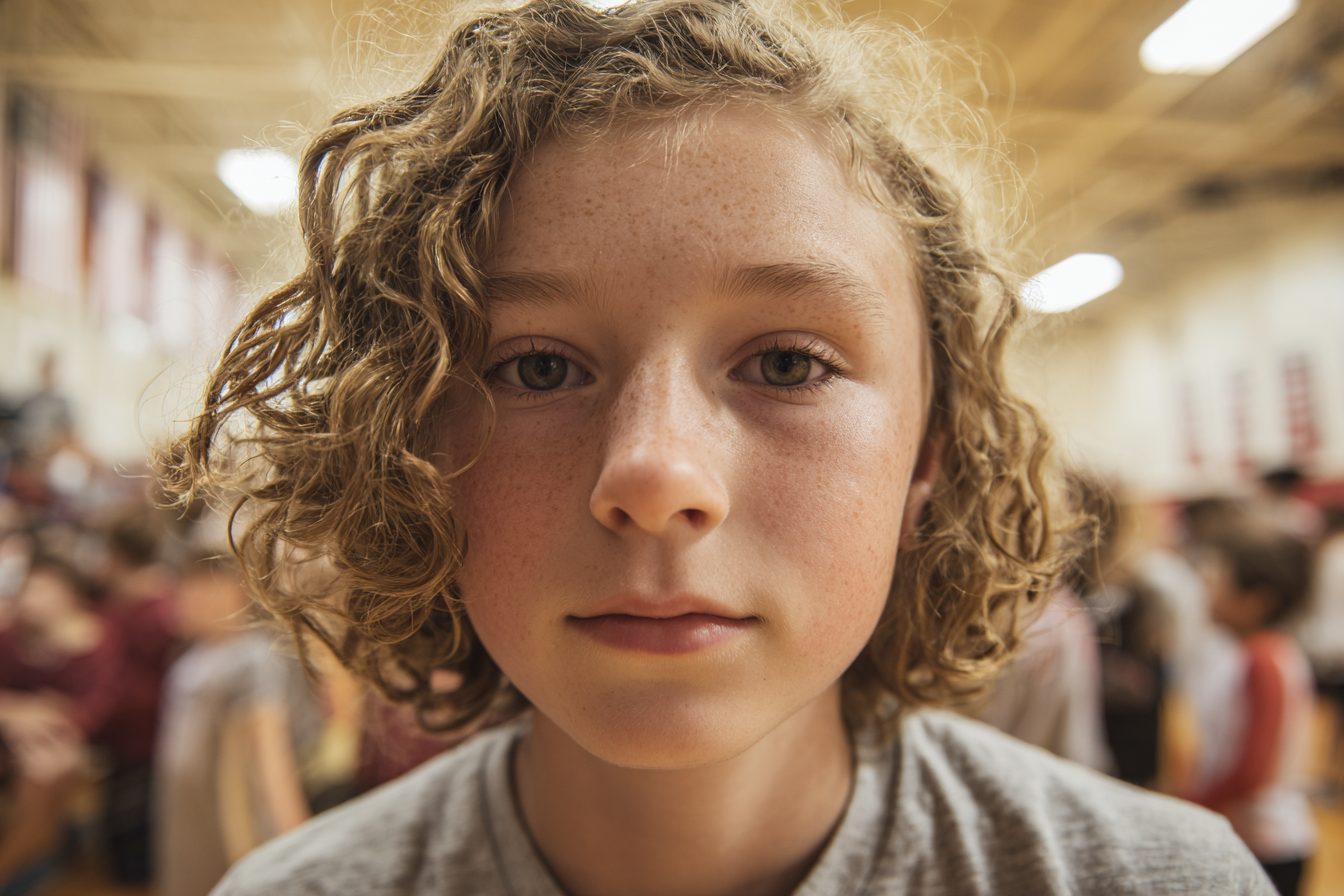
Focus: Build stronger respectful communication, fair self-officiating, and responsible game management through student-selected games where students practice resolving disagreements and keeping play moving.
Grade Level: 7
Subject Area: Physical Education
Total Unit Duration: 5 sessions (one week), 45–55 minutes per session
I. Introduction
In this Grade 7 Physical Education unit, students focus on one of the most important parts of successful game play: how to handle competition, disagreements, and decision-making without relying on the teacher to solve every problem. Through short warm-up games and student-selected activities such as 3v3 basketball, soccer, and 4-square, students practice how to make calls fairly, communicate respectfully, and restart play efficiently after a disagreement. The unit emphasizes that conflict is not automatically a bad thing in games; what matters is how players respond to it. Students learn that strong teams and strong competitors can disagree, stay composed, use agreed procedures, and move on without damaging the game environment. By the end of the week, students should be able to explain how self-control, teamwork, and fair conflict-resolution habits improve both performance and enjoyment in PE.
Essential Questions
- What makes a disagreement in a game get solved fairly instead of turning into an argument?
- How can students stay competitive while still showing self-control and sportsmanship?
- What roles and responsibilities help a game run smoothly without teacher control?
- How can fair decision-making help the game continue instead of stopping progress?
II. Objectives and Standards
Learning Objectives — Students will be able to:
- Perform locomotor movements such as sprinting, shuffling, changing direction, and recovering during small-sided game play.
- Work cooperatively with peers while rotating through roles such as captain, official, scorekeeper, or equipment manager.
- Demonstrate emotional control during mistakes, close calls, and competitive moments.
- Use agreed conflict-resolution procedures to solve disagreements fairly and restart play quickly.
- Show responsibility by managing equipment, transitions, game setup, and role expectations without constant teacher prompting.
Standards Alignment — Grade 7 PE (SHAPE America-based custom)
- PE:S1.7a – Locomotor Skills with Advanced Speed & Change of Direction Perform locomotor skills (e.g., sprinting, shuffling, skipping, bounding) with control while making rapid changes in direction, speed, and level in game situations.
- Example: In student-selected games, a student sprints into position, changes direction under control, and recovers quickly during live play.
- PE:S4.7b – Cooperative Teamwork, Leadership & Inclusion Work effectively with diverse peers, taking on and rotating leadership roles (captain, coach, referee, equipment manager) while ensuring all teammates are included and valued.
- Example: A student helps organize teams, shares officiating duties, includes quieter classmates in game setup, and contributes positively to group decisions.
- PE:S4.7c – Self-Control, Sportsmanship & Emotional Regulation in Competition Demonstrate self-control and positive sportsmanship in both winning and losing situations, managing frustration, and responding to mistakes constructively.
- Example: After a disputed point or turnover, a student remains calm, accepts the resolution, and continues playing respectfully.
- PE:S4.7d – Resolving Conflicts & Self-Officiating Fairly Use respectful communication and agreed-upon strategies (replay, rock-paper-scissors, majority vote, rotating officials) to resolve conflicts and make impartial calls.
- Example: When players disagree about a boundary or scoring call, they use a class protocol, accept the outcome, and restart quickly.
- PE:S4.7e – Responsibility, Initiative & Self-Management in PE Show responsibility by arriving prepared, managing time, effort, and equipment, transitioning efficiently, and staying engaged without constant teacher prompts.
- Example: Students independently organize equipment, begin warm-ups, rotate through roles, and maintain game flow while staying on task.
Success Criteria — Student Language
- I can stay calm and respectful when a game call is close or frustrating.
- I can use a fair procedure to solve disagreements and restart quickly.
- I can help run a game by taking roles seriously and staying responsible.
- I can compete hard without arguing or blaming.
- I can help my group keep the game moving and include everyone.