Unit Plan 5 (Grade 7 PE): Cooperative Missions & Team Problem Solving
Build Grade 7 teamwork, leadership, communication, and problem-solving skills through cooperative PE missions that strengthen inclusion, self-management, and calm conflict resolution.

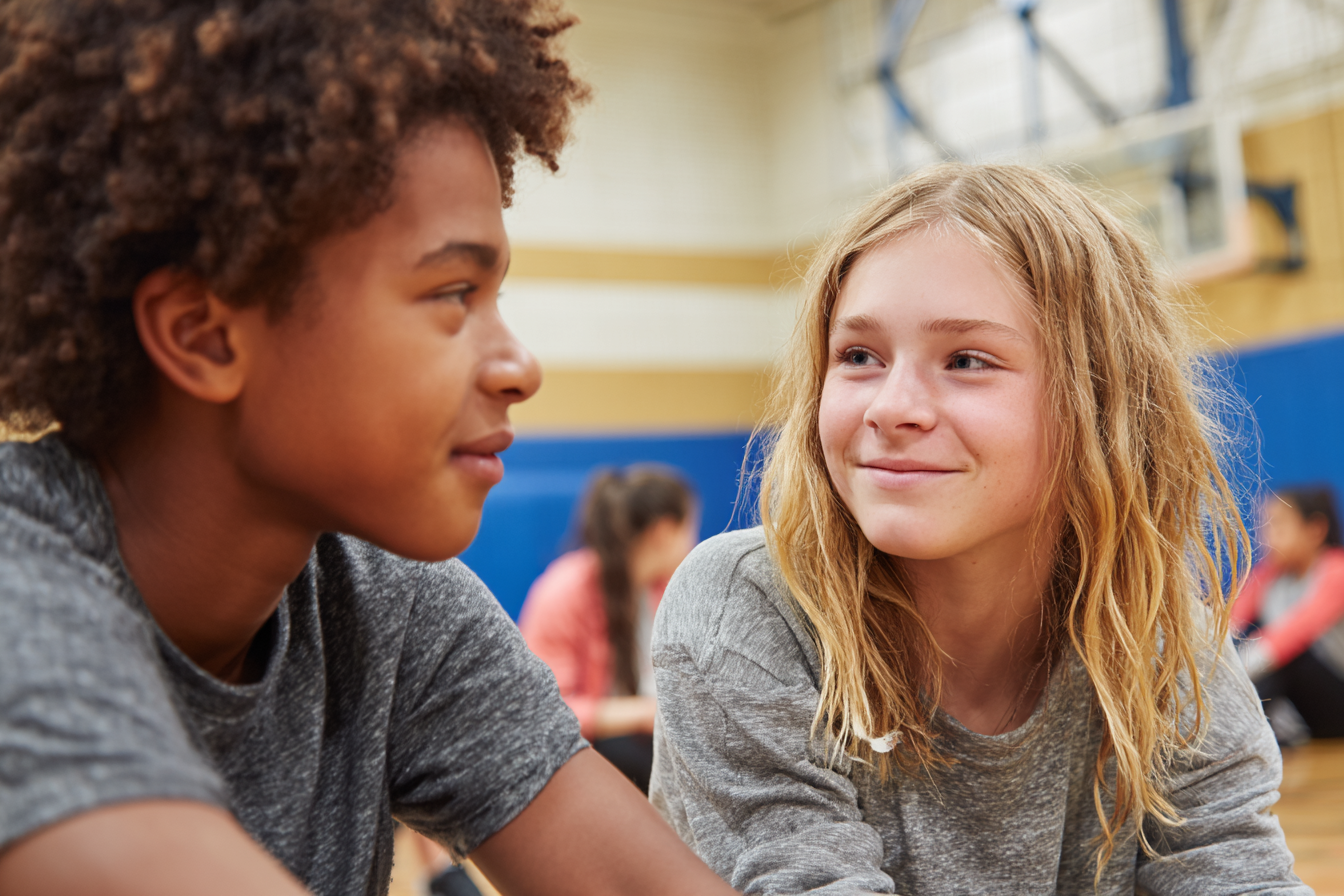
Focus: Develop strategic communication, rotating leadership, inclusive teamwork, and calm problem solving through cooperative missions that require planning, persistence, and respectful decision-making.
Grade Level: 7
Subject Area: Physical Education
Total Unit Duration: 5 sessions (one week), 45–55 minutes per session
I. Introduction
In this Grade 7 Physical Education unit, students shift from competitive game play into cooperative missions that challenge them to think, communicate, and move as a team. Through activities such as Cross the River, Toxic Waste, and Pipeline, students must solve movement problems together rather than relying on one fast or highly skilled player. The unit emphasizes how successful teams listen to one another, rotate leadership fairly, stay organized under pressure, and respond to setbacks without blaming or shutting others out. Because many team challenges create frustration when plans fail, students also practice emotional regulation, conflict resolution, and respectful self-management. By the end of the week, students should be able to explain how teamwork, calm communication, and inclusive leadership help groups solve difficult challenges more effectively.
Essential Questions
- What makes communication strategic and useful during a cooperative challenge?
- How do strong teams rotate leadership and make sure all voices are heard?
- What should a group do when frustration, disagreement, or failure appears during a mission?
- What personal strengths do I bring to team problem solving, and what do I want to improve?
II. Objectives and Standards
Learning Objectives — Students will be able to:
- Work cooperatively with a variety of classmates to complete team problem-solving challenges.
- Take on and rotate leadership roles such as planner, encourager, checker, or equipment manager while helping include all group members.
- Use calm, respectful language to solve disagreements and make fair decisions during cooperative tasks.
- Demonstrate self-control and emotional regulation when a plan fails or the team becomes frustrated.
- Manage equipment, transitions, time, and task focus responsibly with minimal teacher prompting.
- Identify personal strengths and preferences related to teamwork, problem solving, leadership, and challenge-based activity.
Standards Alignment — Grade 7 PE (SHAPE America-based custom)
- PE:S4.7b – Cooperative Teamwork, Leadership & Inclusion Work effectively with diverse peers, taking on and rotating leadership roles (captain, coach, referee, equipment manager) while ensuring all teammates are included and valued.
- Example: A student leading a small-sided game organizes fair teams, encourages quieter players, and delegates roles like scorekeeper or official fairly.
- PE:S4.7c – Self-Control, Sportsmanship & Emotional Regulation in Competition Demonstrate self-control and positive sportsmanship in both winning and losing situations, managing frustration, and responding to mistakes constructively.
- Example: After a controversial call or a tough loss, a student remains composed, thanks opponents, and focuses on what the team can improve for next time.
- PE:S4.7d – Resolving Conflicts & Self-Officiating Fairly Use respectful communication and agreed-upon strategies (replay, rock-paper-scissors, majority vote, rotating officials) to resolve conflicts and make impartial calls.
- Example: When players disagree about a boundary call, they calmly discuss briefly, use a predetermined tiebreaker, accept the outcome, and restart play without ongoing argument.
- PE:S4.7e – Responsibility, Initiative & Self-Management in PE Show responsibility by arriving prepared, managing time, effort, and equipment, transitioning efficiently, and staying engaged without constant teacher prompts.
- Example: Students independently gather equipment, begin warm-ups, rotate through stations, and clean up at the end of class while staying on task.
- PE:S5.7a – Identifying Preferred Activities & Personal Strengths Identify physical activities they enjoy and areas of strength and use this insight to make activity choices and set personal improvement goals.
- Example: A student recognizes they enjoy distance running and sets a goal to increase their weekly mileage gradually and safely.
Success Criteria — Student Language
- I can communicate clearly and respectfully during a team challenge.
- I can take a leadership role and also listen when someone else is leading.
- I can stay calm when my group gets stuck and help us reset instead of getting frustrated.
- I can use fair strategies to solve disagreements and keep the task moving.
- I can manage equipment, transitions, and my effort responsibly.
- I can identify one strength I bring to teamwork and one thing I want to improve.