Unit Plan 22 (Grade 7 PE): Cooperative Relays & Efficiency Planning
Grade 7 cooperative relay unit builds strategic planning, movement efficiency, and team leadership through role assignment, data tracking, and reflective improvement.

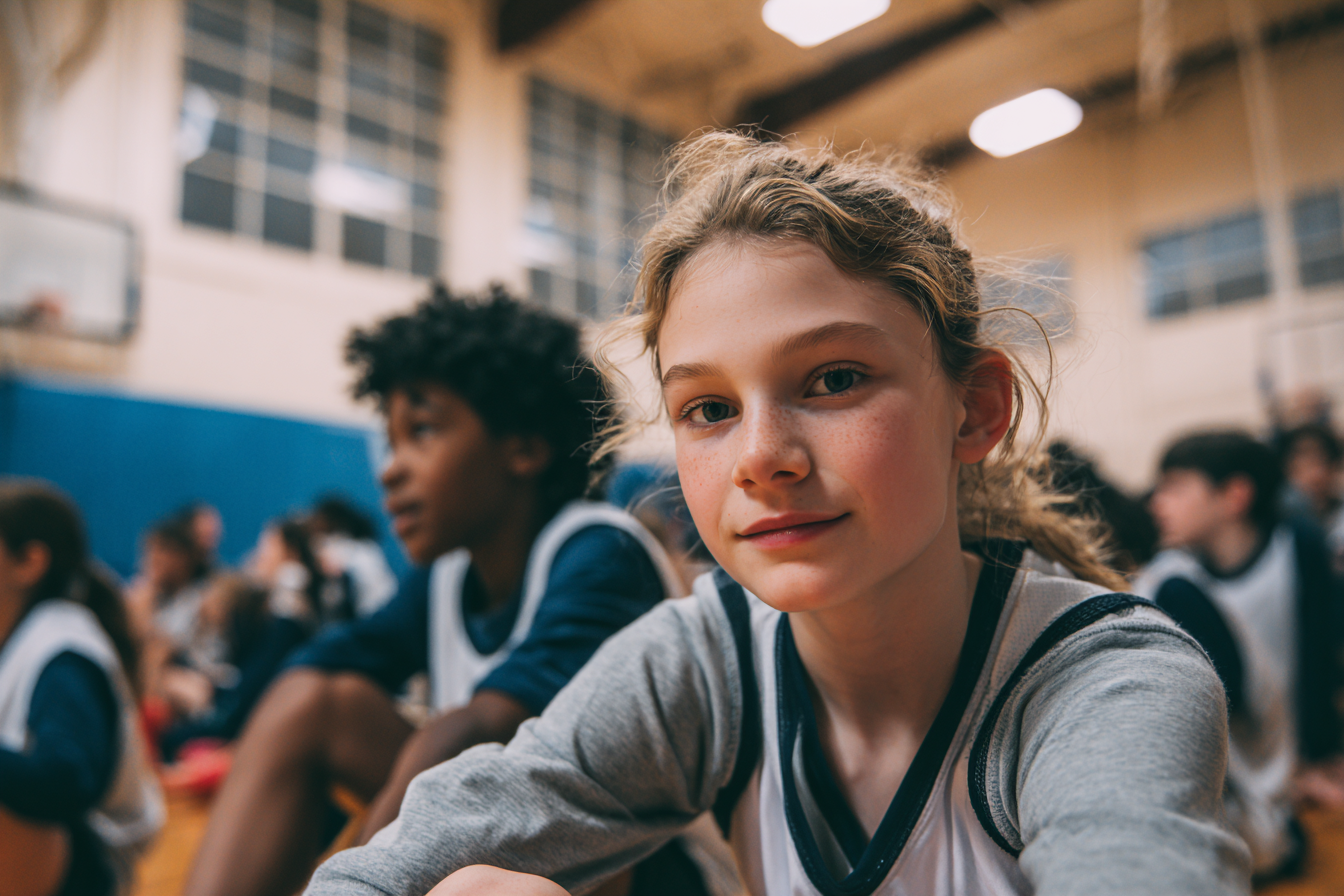
Focus: Develop strategic planning, stronger movement efficiency, and thoughtful team leadership through cooperative relay challenges that require analysis, role assignment, and data-based reflection.
Grade Level: 7
Subject Area: Physical Education
Total Unit Duration: 5 sessions (one week), 45–55 minutes per session
I. Introduction
In this Grade 7 Physical Education unit, students participate in multi-task relays that challenge them to think as much as they move. Instead of simply racing from point A to point B, teams must analyze the demands of each relay, assign roles wisely, test different strategies, and reflect on what actually improves performance. The unit emphasizes that success in relays is not only about speed, but also about balance, body control, communication, leadership, and efficient decision-making. Students will also practice resolving disagreements respectfully, rotating leadership, and using simple performance data—such as time, transition quality, and number of errors—to improve team outcomes. By the end of the week, students should be able to explain how planning, movement skill, and cooperation work together to make a relay team more effective.
Essential Questions
- What makes a relay team more efficient, not just faster?
- How can teams use planning, role assignment, and reflection to improve results?
- What kinds of movement skills help students succeed in multi-task relays?
- How do respectful leadership and fair conflict resolution improve team performance?
II. Objectives and Standards
Learning Objectives — Students will be able to:
- Perform locomotor movements such as sprinting, shuffling, turning, stopping, and accelerating with control during relay tasks.
- Maintain balance, stability, and body control during relay challenges that include directional changes, object handling, and transitional movement.
- Work cooperatively by assigning roles, sharing leadership, and including all team members in strategy decisions.
- Resolve disagreements respectfully and use fair procedures to make quick team decisions during relays.
- Show responsibility by handling equipment properly, transitioning efficiently, and staying on task without constant reminders.
- Reflect on team strengths, personal strengths, and preferred roles in relay-based activities.
Standards Alignment — Grade 7 PE (SHAPE America-based custom)
- PE:S1.7a – Locomotor Skills with Advanced Speed & Change of Direction Perform locomotor skills (e.g., sprinting, shuffling, skipping, bounding) with control while making rapid changes in direction, speed, and level in game situations.
- Example: In a relay, a student sprints to a station, changes direction around a cone, and accelerates smoothly into the next task.
- PE:S1.7b – Balance, Stability & Coordination in Complex Movement Sequences Maintain balance and body control during complex actions that include jumping, landing, rotating, dodging, and changing levels, even when contact or defensive pressure is present.
- Example: In a multi-task relay, a student carries an object, balances through a pathway, stops under control, and transitions cleanly to the next movement.
- PE:S4.7b – Cooperative Teamwork, Leadership & Inclusion Work effectively with diverse peers, taking on and rotating leadership roles (captain, coach, referee, equipment manager) while ensuring all teammates are included and valued.
- Example: A student helps organize relay order, encourages all teammates, and ensures that quieter group members contribute to the strategy.
- PE:S4.7d – Resolving Conflicts & Self-Officiating Fairly Use respectful communication and agreed-upon strategies (replay, rock-paper-scissors, majority vote, rotating officials) to resolve conflicts and make impartial calls.
- Example: When a team disagrees about a relay error or order, students briefly discuss, use a fair method, and restart without arguing.
- PE:S4.7e – Responsibility, Initiative & Self-Management in PE Show responsibility by arriving prepared, managing time, effort, and equipment, transitioning efficiently, and staying engaged without constant teacher prompts.
- Example: Students independently gather equipment, begin the warm-up, rotate between relay stations, and clean up efficiently while staying focused.
- PE:S5.7a – Identifying Preferred Activities & Personal Strengths Identify physical activities they enjoy and areas of strength and use this insight to make activity choices and set personal improvement goals.
- Example: A student notices they are strong at balance tasks or quick transitions and uses that awareness to choose a relay role and set a goal.
Success Criteria — Student Language
- I can move quickly and with control during relay tasks.
- I can help my team plan a strategy instead of just guessing.
- I can work in different roles and help include everyone’s ideas.
- I can solve small disagreements fairly and keep the relay moving.
- I can explain what made my team more efficient and what role fit my strengths best.