Unit Plan 16 (Grade 7 PE): Kickball/Matball — Advanced Situational Play
Grade 7 Kickball/Matball unit builds smarter situational decisions, strategic kick placement, force-play awareness, and team communication through advanced, strategy-based game play.

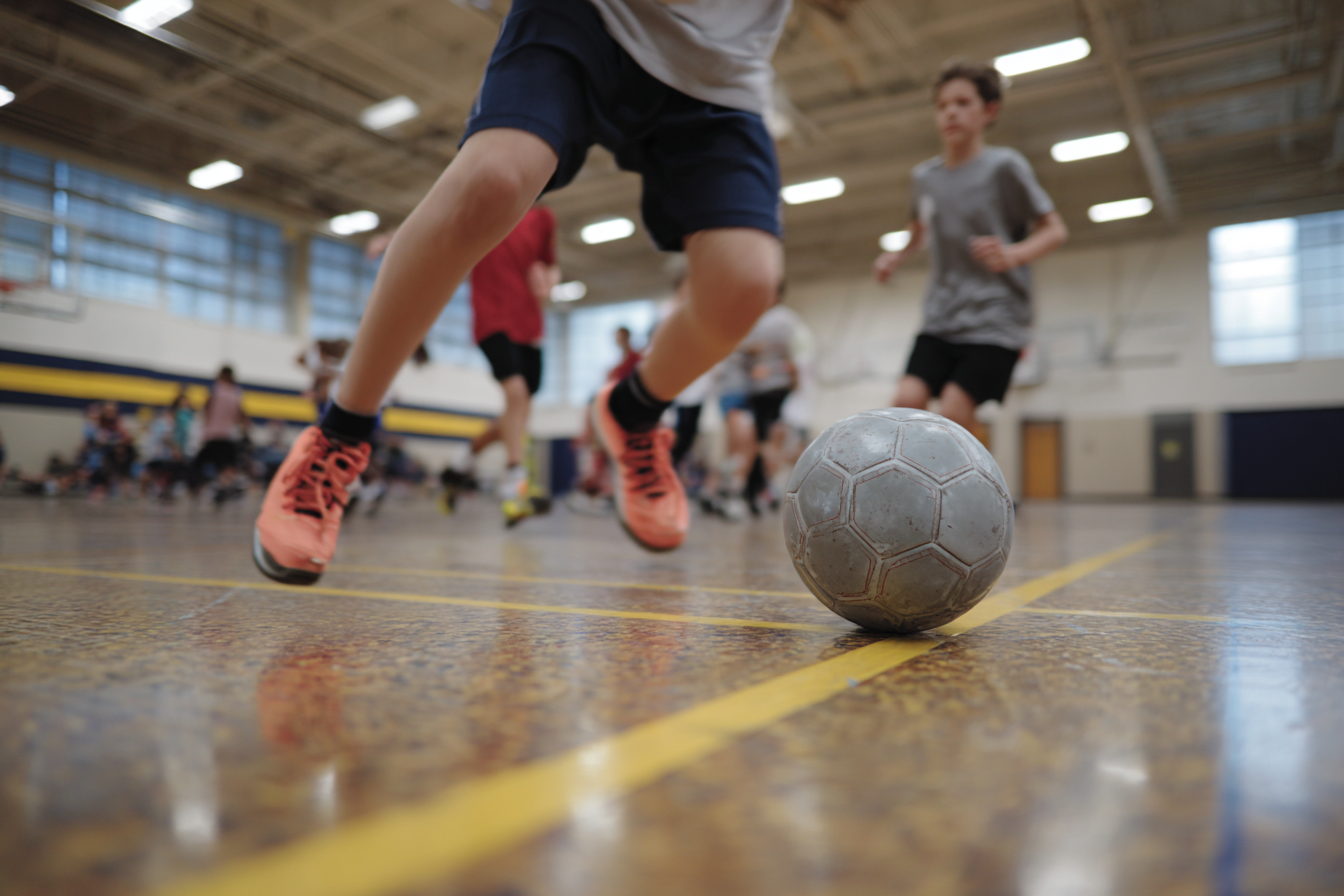
Focus: Develop smarter situational decision-making, more purposeful kicking placement, and stronger team communication through advanced Kickball/Matball game play with modified strategy-based rules.
Grade Level: 7
Subject Area: Physical Education
Total Unit Duration: 5 sessions (one week), 45–55 minutes per session
I. Introduction
In this Grade 7 Physical Education unit, students move beyond simply kicking and running by learning how game situations affect offensive and defensive decisions in Kickball and Matball. Through placement kicking, tag-up situations, forced-run scenarios, and modified game rules such as multiple bases and bonus zones, students begin to understand how strategy can create advantages for both teams. On offense, students learn to read the field, decide when to kick deep or into gaps, and make smarter base-running choices based on outs, ball location, and teammate position. On defense, students practice communication, coverage, force-out decisions, and transition awareness so they can respond quickly to changing play. By the end of the week, students should be able to explain how timing, placement, teamwork, and situational awareness affect success in striking-and-fielding games.
Essential Questions
- How can a kicker use placement and force to create better offensive opportunities?
- What should base runners consider before advancing, tagging up, or stopping?
- How do defenders decide whether to go for a force out, a tag, or a quick relay?
- How does strong communication improve strategy and team success in Kickball/Matball?
II. Objectives and Standards
Learning Objectives — Students will be able to:
- Perform locomotor movements such as sprinting, changing direction, stopping, and re-accelerating with control during base running and fielding play.
- Kick with tactical intent by adjusting placement, force, and direction based on the game situation.
- Combine kicking, running, stopping, turning, advancing, and recovering fluidly during extended game play.
- Adjust effort, force, angle, and timing of kicks and runs based on outs, field position, defenders, and base-running opportunities.
- Apply offensive strategies such as kicking to gaps, using deep space, tagging up, and advancing aggressively but wisely.
- Apply defensive strategies such as force plays, help coverage, relays, base protection, and transition after the kick.
- Work cooperatively as a team by communicating clearly, including all players, and supporting smart group decision-making.
Standards Alignment — Grade 7 PE (SHAPE America-based custom)
- PE:S1.7a – Locomotor Skills with Advanced Speed & Change of Direction Perform locomotor skills (e.g., sprinting, shuffling, skipping, bounding) with control while making rapid changes in direction, speed, and level in game situations.
- Example: In Kickball or Matball, a student sprints to a base, rounds under control, plants, and accelerates again based on the ball’s location.
- PE:S1.7d – Kicking, Dribbling & Ball Control with Tactical Intent Dribble, pass, and shoot with the feet using both stronger and weaker sides, choosing the type and force of touch based on tactical needs in the game.
- Example: In kickball, a student uses a controlled directional kick into a gap or a deeper driven kick depending on fielder placement and the current base situation.
- PE:S1.7f – Integrating Multiple Skills Fluidly During Extended Play Combine locomotor, manipulative, and stability skills in extended game play, maintaining control and appropriate technique even when fatigued or under pressure.
- Example: In a live inning, a student kicks, sprints, rounds a base, reads a fielder, and decides whether to continue or stop while staying balanced and in control.
- PE:S2.7c – Adjusting Effort, Force, Angle & Timing to Game Conditions Adapt effort level, force, angle, and timing of passes, shots, serves, and runs in response to defensive pressure, distance, and scoring/placement goals.
- Example: In kickball, a student shortens the kick to avoid a deep fielder or drives the ball past the infield when runners need to advance.
- PE:S2.7d – Offensive Strategies: Creating & Exploiting Opportunities Select and apply offensive strategies such as using screens, give-and-go, overlaps, switching fields, and recognizing mismatches to create scoring chances.
- Example: In Kickball/Matball, students choose placement kicks, time tag-ups, and pressure defenders by forcing quick decisions across multiple bases.
- PE:S2.7e – Defensive Strategies: Marking, Help Defense & Transition Implement defensive principles including marking, staying between opponent and goal, providing help defense, recovering in transition, and adjusting to changes in possession.
- Example: After the kick, fielders communicate, cover the correct bases, provide help on overthrows, and react to advancing runners quickly.
- PE:S4.7b – Cooperative Teamwork, Leadership & Inclusion Work effectively with diverse peers, taking on and rotating leadership roles (captain, coach, referee, equipment manager) while ensuring all teammates are included and valued.
- Example: A team communicates on defense, encourages all kickers and runners, and rotates responsibilities such as field captain or relay caller fairly.
Success Criteria — Student Language
- I can kick with purpose to open space instead of just kicking as hard as I can.
- I can make smarter choices about when to run, stop, tag up, or advance.
- I can help my team by communicating clearly on offense and defense.
- I can react to game situations by choosing the best play, not just the fastest play.
- I can work as part of a team and help everyone stay involved.