Unit Plan 23 (Grade 7 PE): Lacrosse Skills & Small-Sided Games
Grade 7 modified lacrosse unit builds stick control, smart passing to cutters, strong defensive marking, and safe, organized small-sided play through invasion-game strategies.

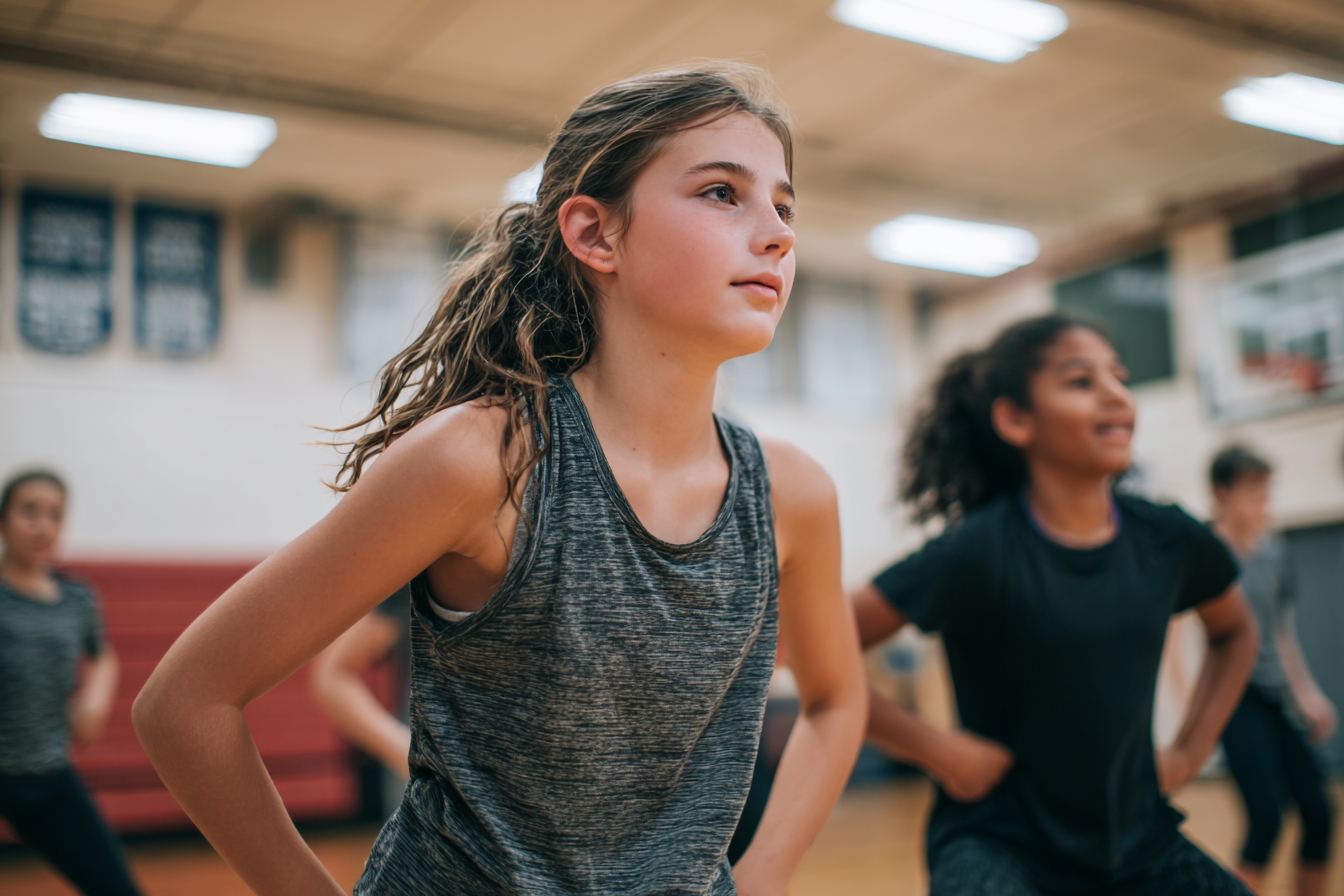
Focus: Develop control with implements, smarter passing to cutting teammates, stronger defensive marking, and safe, organized play in modified lacrosse-style games.
Grade Level: 7
Subject Area: Physical Education
Total Unit Duration: 5 sessions (one week), 45–55 minutes per session
I. Introduction
In this Grade 7 Physical Education unit, students are introduced to the movement, spacing, and teamwork required in lacrosse-style games through safe, modified small-sided play. Using scoop, cradle, and passing on the move progressions, students learn how to control the ball while moving, support teammates with smart cuts, and maintain possession under light defensive pressure. The unit also emphasizes defensive marking, quick recovery after turnovers, and safe play habits so students can compete with confidence while respecting rules and peer safety. Rather than focusing on full lacrosse complexity, the unit highlights transferable invasion-game skills such as spacing, cutting angles, help defense, and team communication. By the end of the week, students should be able to explain how control, spacing, safe decision-making, and teamwork improve success in small-sided lacrosse games.
Essential Questions
- How does better control with a stick help players pass, receive, and move more confidently?
- How can players use spacing and cutting to create easier passing options?
- What does strong defensive marking look like in a small-sided lacrosse game?
- How do students play competitively while still following safe contact and equipment rules?
II. Objectives and Standards
Learning Objectives — Students will be able to:
- Demonstrate improved control while scooping, cradling, passing, and receiving with a lacrosse stick.
- Combine locomotor movement, stick control, passing, catching, cutting, and recovery fluidly during small-sided play.
- Use spatial awareness to spread out offensively, support teammates, and defend dangerous space.
- Use pathways, tempo changes, and simple feints to get open or deny a passing lane.
- Apply defensive concepts such as marking, helping, recovering, and transitioning after possession changes.
- Follow safety rules and equipment procedures independently while helping create a safe game environment.
- Work cooperatively with teammates, rotate responsibilities, and include all players in game play and team decisions.
Standards Alignment — Grade 7 PE (SHAPE America-based custom)
- PE:S1.7e – Striking with Implements for Placement, Power & Consistency Strike stationary and moving objects with paddles, rackets, bats, or sticks to consistently send them to intended areas with appropriate speed, spin, and trajectory.
- Example: In lacrosse-style play, a student uses controlled stick action to pass accurately to a moving teammate or place the ball into open space.
- PE:S1.7f – Integrating Multiple Skills Fluidly During Extended Play Combine locomotor, manipulative, and stability skills in extended game play, maintaining control and appropriate technique even when fatigued or under pressure.
- Example: In a small-sided game, a student scoops a ground ball, cradles while moving, passes to a cutter, then recovers into defensive position.
- PE:S2.7a – Spatial Awareness & Tactical Positioning in Team Play Demonstrate consistent understanding of space and positioning by adjusting to teammates, opponents, and scoring areas in both offense and defense.
- Example: In 3v3 or 4v4 lacrosse-style games, students spread the field, cut into open lanes, and recover to protect scoring space.
- PE:S2.7b – Using Pathways, Levels, and Feints to Gain Tactical Advantage Use a variety of movement options—pathways, levels, tempo changes, and feints—to create separation, deny space, or disrupt an opponent’s strategy.
- Example: A student changes pace, cuts sharply to the ball, or angles their body to block an opponent’s path to goal.
- PE:S2.7e – Defensive Strategies: Marking, Help Defense & Transition Implement defensive principles including marking, staying between opponent and goal, providing help defense, recovering in transition, and adjusting to changes in possession.
- Example: After a turnover, students quickly match up, protect the middle, and recover to stop an easy pass or shot.
- PE:S4.7a – Following Rules, Routines & Safety Protocols Independently Consistently follow and model classroom rules, procedures, and safety expectations with minimal reminders, and help ensure a safe environment for others.
- Example: Students keep sticks under control, avoid unsafe contact, respond immediately to signals, and respect game boundaries and safety rules.
- PE:S4.7b – Cooperative Teamwork, Leadership & Inclusion Work effectively with diverse peers, taking on and rotating leadership roles (captain, coach, referee, equipment manager) while ensuring all teammates are included and valued.
- Example: A student encourages a teammate, communicates defensive matchups, and helps ensure all players get meaningful opportunities in the game.
Success Criteria — Student Language
- I can scoop, cradle, pass, and receive with better control.
- I can move to open space and pass to teammates who are cutting.
- I can mark an opponent and recover quickly when the play changes.
- I can play safely with a stick and follow all class safety expectations.
- I can communicate and work with teammates in a positive, inclusive way.