Unit Plan 29 (Grade 7 PE): Net/Wall Playground Games (Four-Square & Wall Ball)
Grade 7 Four-Square and Wall Ball unit builds striking control, anticipation, fair self-officiating, and wellness through active playground games.

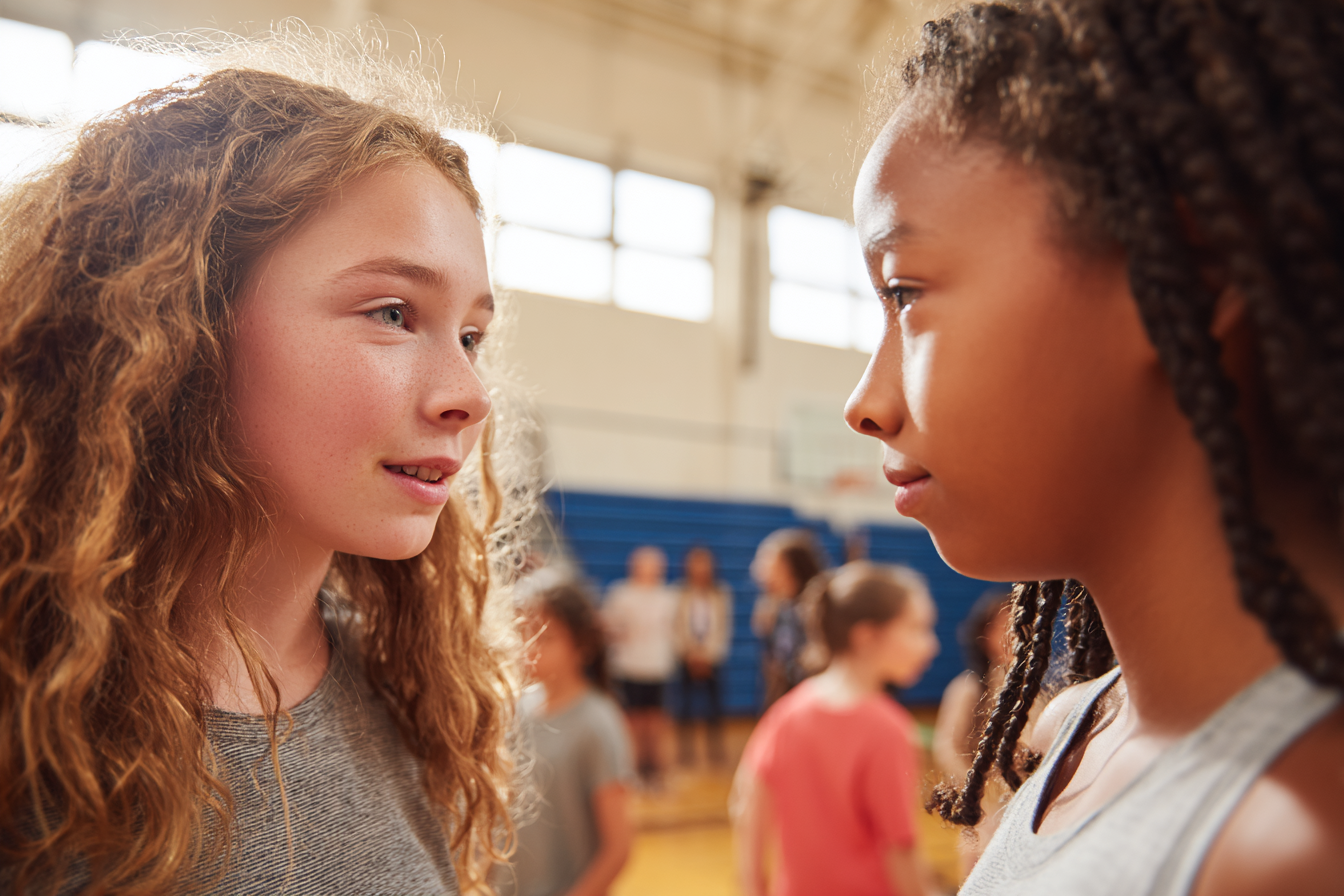
Focus: Develop stronger striking control, better anticipation, and fair self-officiating through Four-Square and Wall Ball while helping students understand how playground games can support physical, mental, and social well-being.
Grade Level: 7
Subject Area: Physical Education
Total Unit Duration: 5 sessions (one week), 45–55 minutes per session
I. Introduction
In this Grade 7 Physical Education unit, students explore net/wall playground games through structured Four-Square and Wall Ball play. These games may appear simple at first, but they require strong hand striking control, quick movement into position, awareness of angles and rebounds, and the ability to make fair calls without relying on constant teacher intervention. Students learn how changing the force, angle, and timing of a strike can create more successful shots while also making games more strategic and enjoyable. The unit also emphasizes playground etiquette, respectful conflict resolution, and the idea that accessible games like Four-Square and Wall Ball can become lifelong movement options that support stress relief, social connection, and active play. By the end of the week, students should be able to explain how skill, fairness, and positive game culture work together in informal recreational activities.
Essential Questions
- How can players improve striking control in Four-Square and Wall Ball?
- What helps players anticipate rebounds and move into the best position before the ball arrives?
- How do fair rule enforcement and respectful self-officiating improve playground games?
- How can simple playground games support physical, mental, and social well-being?
II. Objectives and Standards
Learning Objectives — Students will be able to:
- Strike a ball with improved control using appropriate force, direction, and angle in Four-Square and Wall Ball.
- Use spatial awareness to move into better positions before and after each contact.
- Adjust the force, angle, and timing of strikes based on wall rebound, square placement, or opponent position.
- Follow playground game rules and routines independently and help maintain a safe, organized play environment.
- Resolve disagreements fairly using agreed-upon self-officiating procedures.
- Explain how active playground games can support physical fitness, stress relief, mood, focus, and social connection.
Standards Alignment — Grade 7 PE (SHAPE America-based custom)
- PE:S1.7e – Striking with Implements for Placement, Power & Consistency Strike stationary and moving objects with paddles, rackets, bats, or sticks to consistently send them to intended areas with appropriate speed, spin, and trajectory.
- Example: In Four-Square or Wall Ball, a student uses controlled hand striking to direct the ball to a specific area with appropriate force and placement.
- PE:S2.7a – Spatial Awareness & Tactical Positioning in Team Play Demonstrate consistent understanding of space and positioning by adjusting to teammates, opponents, and scoring areas in both offense and defense.
- Example: In Four-Square and Wall Ball, students move early to the best receiving position, anticipate rebound pathways, and avoid crowding.
- PE:S2.7c – Adjusting Effort, Force, Angle & Timing to Game Conditions Adapt effort level, force, angle, and timing of passes, shots, serves, and runs in response to defensive pressure, distance, and scoring/placement goals.
- Example: In Wall Ball, a student strikes more softly for control on a short rebound or uses a firmer, lower-angle hit to create a difficult return.
- PE:S4.7a – Following Rules, Routines & Safety Protocols Independently Consistently follow and model classroom rules, procedures, and safety expectations with minimal reminders, and help ensure a safe environment for others.
- Example: Students wait their turn, avoid unsafe crowding near walls or squares, use equipment correctly, and follow game rules responsibly.
- PE:S4.7d – Resolving Conflicts & Self-Officiating Fairly Use respectful communication and agreed-upon strategies (replay, rock-paper-scissors, majority vote, rotating officials) to resolve conflicts and make impartial calls.
- Example: When players disagree about whether a ball was in or out, they calmly use a class procedure and restart play fairly.
- PE:S5.7b – Describing Physical, Mental & Social Benefits of Activity Explain how regular physical activity supports physical fitness, mental health (stress relief, mood, focus), and social well-being (friendships, teamwork, belonging).
- Example: Students describe how casual games like Four-Square or Wall Ball can help them stay active, have fun with peers, and manage stress.
Success Criteria — Student Language
- I can strike the ball with better control, not just power.
- I can move into a smart position before the ball gets to me.
- I can adjust my angle and force depending on the game situation.
- I can follow the rules and help keep playground games fair and safe.
- I can solve small disagreements respectfully and keep the game moving.
- I can explain why games like Four-Square and Wall Ball are good for physical and mental wellness.