Unit Plan 35 (Grade 7 PE): Obstacle Courses & Adventure Challenges
Grade 7 obstacle course unit builds agility, balance, skill integration under fatigue, perseverance, and positive peer support.

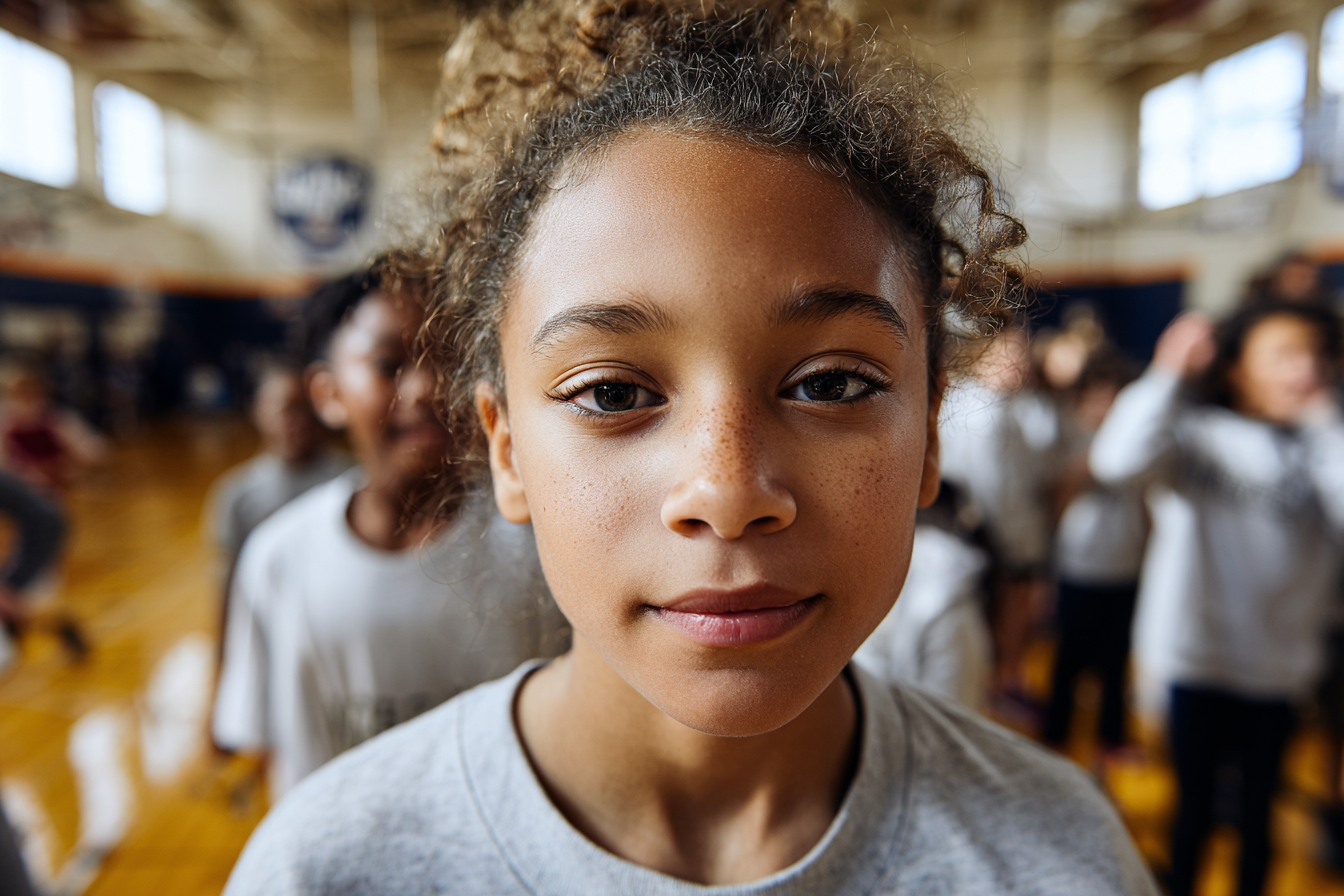
Focus: Integrate multiple movement skills under fatigue, build perseverance, and strengthen positive peer support through obstacle courses and adventure-style physical challenges.
Grade Level: 7
Subject Area: Physical Education
Total Unit Duration: 5 sessions (one week), 45–55 minutes per session
I. Introduction
In this Grade 7 Physical Education unit, students take on a series of obstacle courses and adventure challenges that combine agility, crawling, jumping, balancing, throwing, and quick decision-making into one continuous experience. Unlike isolated drills, obstacle courses require students to transition smoothly from one movement pattern to another while maintaining control, adjusting to fatigue, and staying mentally engaged throughout the challenge. The unit emphasizes that success is not only about speed, but also about safe movement, persistence, body awareness, and the ability to encourage others positively during demanding tasks. Students will complete timed runs, repeat course attempts, and reflect on which movement strengths helped them most. By the end of the week, students should be able to explain how obstacle courses challenge physical skill, perseverance, and teamwork all at once.
Essential Questions
- How do obstacle courses challenge students to combine many movement skills in one sequence?
- What helps someone stay controlled and successful when fatigue begins to increase?
- How can positive peer support improve performance and confidence during physical challenges?
- What movement strengths become most important in adventure-style activities?
II. Objectives and Standards
Learning Objectives — Students will be able to:
- Perform locomotor skills such as sprinting, shuffling, changing direction, and accelerating with control through obstacle-course tasks.
- Maintain balance, stability, and coordination during crawling, jumping, landing, climbing-style movements, and balance challenges.
- Combine multiple movement skills fluidly in continuous obstacle-course runs.
- Stay actively engaged in moderate-to-vigorous activity throughout timed runs and course repetitions.
- Work cooperatively by encouraging peers, rotating support roles, and helping create an inclusive challenge environment.
- Reflect on personal strengths, preferred challenge types, and areas for improvement in movement-based tasks.
Standards Alignment — Grade 7 PE (SHAPE America-based custom)
- PE:S1.7a – Locomotor Skills with Advanced Speed & Change of Direction Perform locomotor skills (e.g., sprinting, shuffling, skipping, bounding) with control while making rapid changes in direction, speed, and level in game situations.
- Example: In an obstacle course, a student sprints between stations, changes direction around cones, and accelerates into the next challenge with control.
- PE:S1.7b – Balance, Stability & Coordination in Complex Movement Sequences Maintain balance and body control during complex actions that include jumping, landing, rotating, dodging, and changing levels, even when contact or defensive pressure is present.
- Example: In an adventure challenge, a student crawls under an obstacle, balances across a pathway, jumps safely, and lands in control before continuing.
- PE:S1.7f – Integrating Multiple Skills Fluidly During Extended Play Combine locomotor, manipulative, and stability skills in extended game play, maintaining control and appropriate technique even when fatigued or under pressure.
- Example: In a full obstacle-course run, a student moves from sprinting to crawling to throwing to balancing without losing control or safety awareness.
- PE:S3.7a – Consistent Engagement in Moderate-to-Vigorous Activity Participate actively and consistently in moderate-to-vigorous physical activity for significant portions of class and show effort to reduce non-active time.
- Example: During repeated obstacle-course attempts and rotations, students stay active, recover responsibly, and remain engaged rather than standing passively.
- PE:S4.7b – Cooperative Teamwork, Leadership & Inclusion Work effectively with diverse peers, taking on and rotating leadership roles (captain, coach, referee, equipment manager) while ensuring all teammates are included and valued.
- Example: A student encourages classmates during timed attempts, helps explain a station, and contributes to a supportive team environment.
- PE:S5.7a – Identifying Preferred Activities & Personal Strengths Identify physical activities they enjoy and areas of strength and use this insight to make activity choices and set personal improvement goals.
- Example: A student notices they are strong in agility, balance, or perseverance and uses that awareness to set a future movement goal.
Success Criteria — Student Language
- I can move through an obstacle course with better control and confidence.
- I can combine running, balancing, jumping, crawling, and throwing in one challenge.
- I can keep working hard even when the course gets tiring.
- I can encourage teammates in a positive and helpful way.
- I can identify which obstacle-course skills are strengths for me and which ones I want to improve.