Unit Plan 2 (Grade 7 PE): Soccer — Possession, Build-Up & Finishing
Build possession, spacing, passing, finishing, and team defense in Grade 7 soccer through give-and-go play, smart shots, and small-sided games.

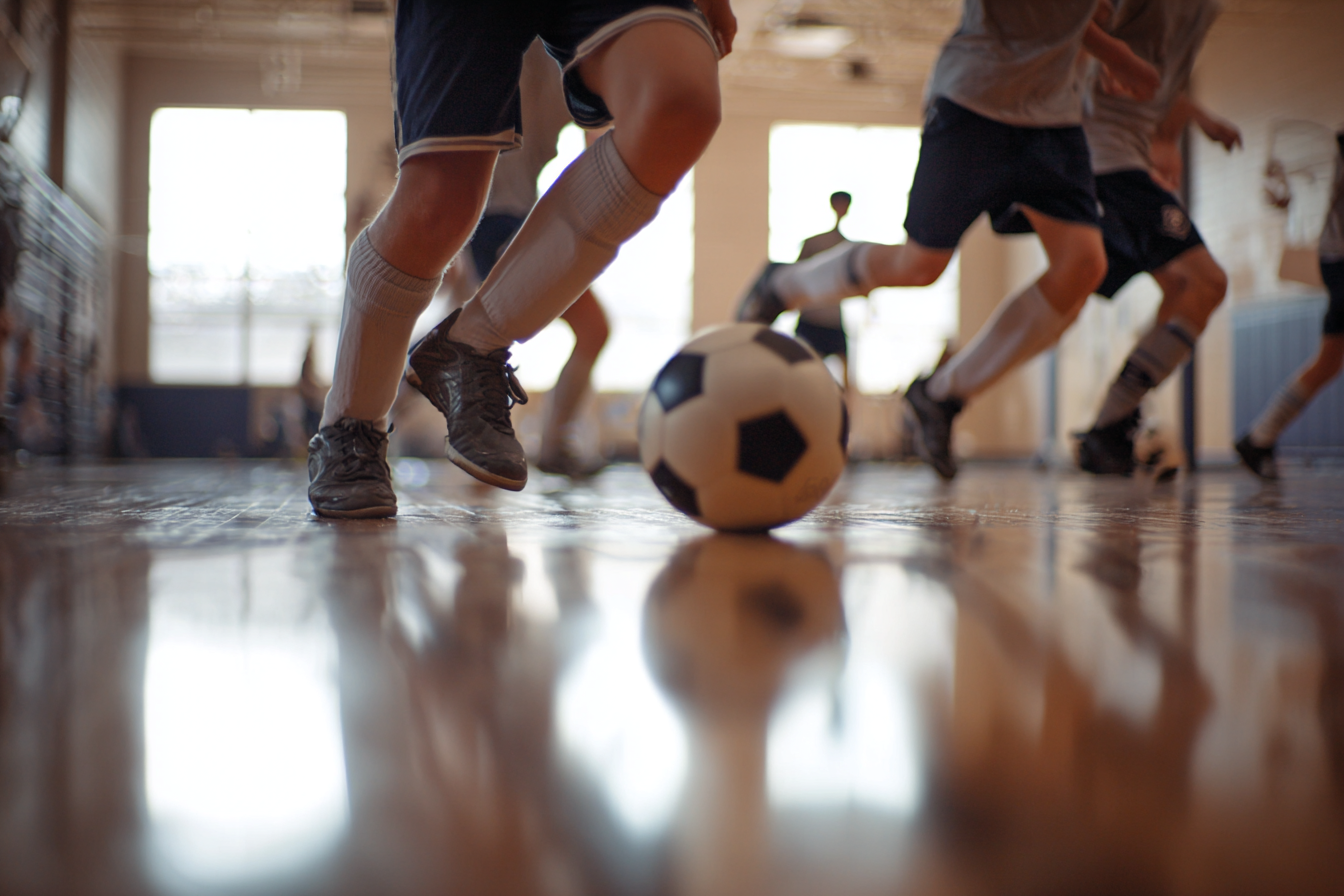
Focus: Develop possession, build-up play, and finishing through purposeful passing, spacing, give-and-go movement, shot selection, and connected team defense.
Grade Level: 7
Subject Area: Physical Education
Total Unit Duration: 5 sessions (one week), 45–55 minutes per session
I. Introduction
In this Grade 7 soccer unit, students build on basic dribbling and passing skills by learning how to keep possession, move the ball with purpose, and create better scoring chances through organized team play. The unit emphasizes spacing, first touch, communication, and build-up rules that encourage students to think before attacking the goal. Instead of relying on random dribbling or rushed shots, students learn how to connect passes, use give-and-go actions, switch the field, and make smarter finishing decisions under pressure. On defense, students work on marking, help defense, and transition habits that help them recover quickly when possession changes. By the end of the week, students should be able to explain how build-up play leads to stronger scoring opportunities and how team shape affects success on both offense and defense.
Essential Questions
- How does strong spacing help a team keep possession and build toward the goal?
- What makes a first touch, pass, or shot more effective in real game situations?
- How can players use give-and-go, support runs, and switching fields to create better chances?
- What does good marking, help defense, and transition look like in 4v4 or 5v5 soccer?
II. Objectives and Standards
Learning Objectives — Students will be able to:
- Perform locomotor movements such as sprinting, shuffling, cutting, and accelerating with control during soccer play.
- Dribble, pass, receive, and shoot with the feet using appropriate touch, force, and timing based on tactical needs.
- Combine dribbling, passing, cutting, receiving, and shooting smoothly during extended small-sided games.
- Use spatial awareness to spread out, support teammates, and move into effective attacking or defending positions.
- Apply tactical ideas such as give-and-go, switching fields, purposeful support runs, and shot selection to improve build-up play.
- Use defensive marking, help defense, recovery runs, and transition communication to protect the goal and regain possession.
- Stay actively engaged during warm-ups, drills, and small-sided games with reduced non-active time.
Standards Alignment — Grade 7 PE (SHAPE America-based custom)
- PE:S1.7a – Locomotor Skills with Advanced Speed & Change of Direction Perform locomotor skills (e.g., sprinting, shuffling, skipping, bounding) with control while making rapid changes in direction, speed, and level in game situations.
- Example: In invasion games, a student sprints to space, plants and cuts sharply to lose a defender, then accelerates again to receive a pass.
- PE:S1.7d – Kicking, Dribbling & Ball Control with Tactical Intent Dribble, pass, and shoot with the feet using both stronger and weaker sides, choosing the type and force of touch based on tactical needs in the game.
- Example: In soccer, a student uses a softer touch to maintain control while dribbling through traffic, then a firm driven pass to switch fields and relieve pressure.
- PE:S1.7f – Integrating Multiple Skills Fluidly During Extended Play Combine locomotor, manipulative, and stability skills in extended game play, maintaining control and appropriate technique even when fatigued or under pressure.
- Example: In a full game, a student dribbles, passes, cuts to space, receives, and shoots with appropriate technique while reading defenders and maintaining balance.
- PE:S2.7a – Spatial Awareness & Tactical Positioning in Team Play Demonstrate consistent understanding of space and positioning by adjusting to teammates, opponents, and scoring areas in both offense and defense.
- Example: In 5v5 games, students recognize when to spread the floor/field, when to cut toward the ball, and when to drop back on defense to protect critical areas.
- PE:S2.7b – Using Pathways, Levels, and Feints to Gain Tactical Advantage Use a variety of movement options—pathways, levels, tempo changes, and feints—to create separation, deny space, or disrupt an opponent’s strategy.
- Example: A student uses a stutter step and head fake before cutting diagonally to receive a pass, or angles their body to block an opponent’s lane to the goal.
- PE:S2.7c – Adjusting Effort, Force, Angle & Timing to Game Conditions Adapt effort level, force, angle, and timing of passes, shots, serves, and runs in response to defensive pressure, distance, and scoring/placement goals.
- Example: In soccer, a student uses a softer pass into a checking teammate’s feet under pressure or a firmer angled pass into space to start an attack.
- PE:S2.7d – Offensive Strategies: Creating & Exploiting Opportunities Select and apply offensive strategies such as using screens, give-and-go, overlaps, switching fields, and recognizing mismatches to create scoring chances.
- Example: In soccer, students make a supporting run after a pass, receive the return ball, and attack space before defenders can recover.
- PE:S2.7e – Defensive Strategies: Marking, Help Defense & Transition Implement defensive principles including marking, staying between opponent and goal, providing help defense, recovering in transition, and adjusting to changes in possession.
- Example: When possession changes, students quickly transition from offense to defense, find a player or zone to cover, and communicate to maintain team shape.
- PE:S3.7a – Consistent Engagement in Moderate-to-Vigorous Activity Participate actively and consistently in moderate-to-vigorous physical activity for significant portions of class and show effort to reduce non-active time.
- Example: During small-sided games and circuits, students stay engaged by moving between plays, participating in all reps, and keeping transitions quick.
Success Criteria — Student Language
- I can use space well by spreading out, supporting the ball, and moving to better positions.
- I can control the ball with my feet and choose the right kind of pass, touch, or shot for the moment.
- I can use give-and-go and support runs to help my team build toward the goal.
- I can stay between my opponent and the goal, help on defense, and recover quickly when we lose the ball.
- I can stay active, communicate, and keep trying throughout class.