Unit Plan 19 (Grade 7 PE): Wiffleball/Softball — Game Management & Situations
Grade 7 Wiffleball/Softball unit builds intentional striking, smarter situational decisions, defensive coordination, and student-led strategy in small-sided play.

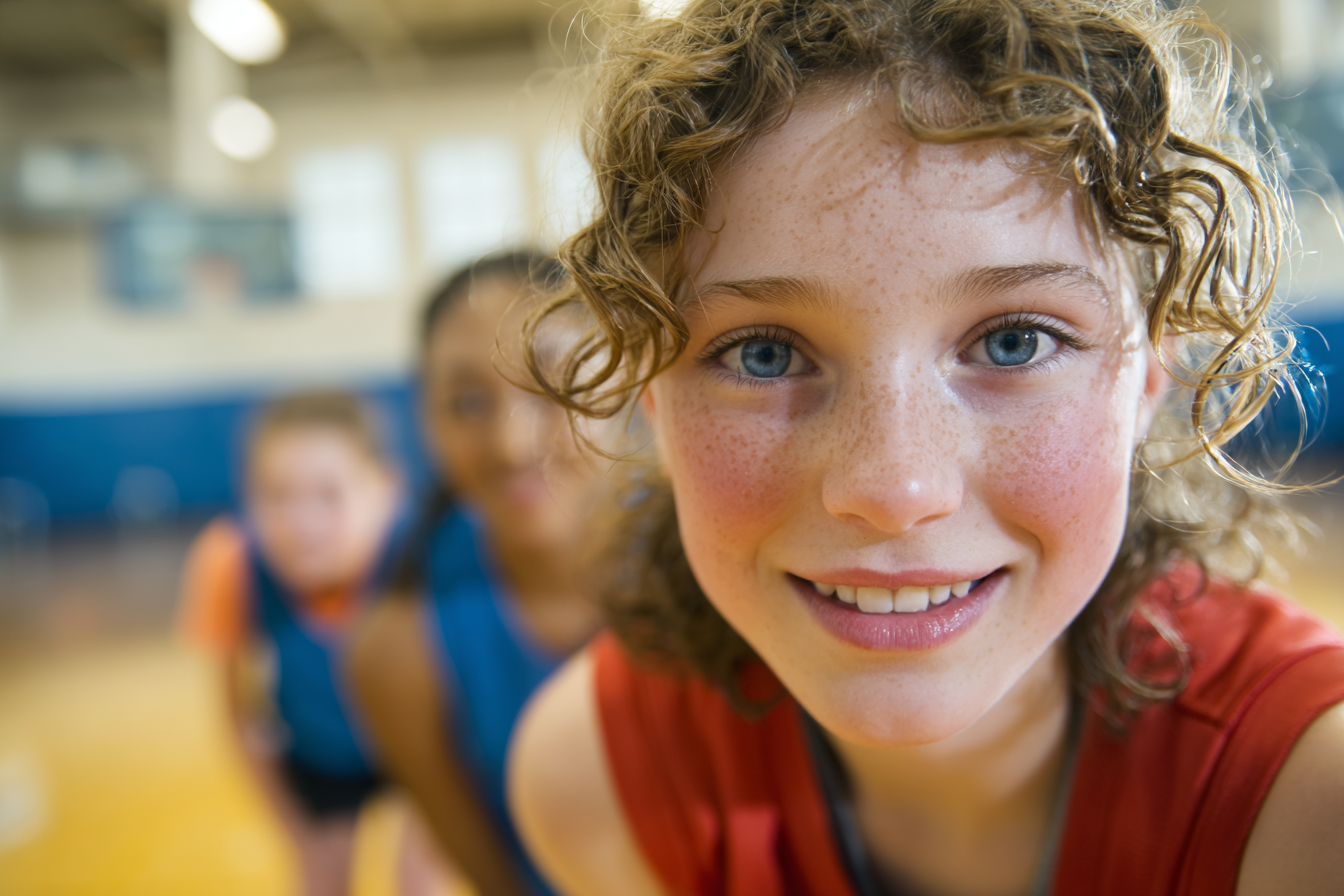
Focus: Develop intentional striking, smarter situational decisions, and stronger defensive coordination through small-sided Wiffleball/Softball with student captains calling strategy.
Grade Level: 7
Subject Area: Physical Education
Total Unit Duration: 5 sessions (one week), 45–55 minutes per session
I. Introduction
In this Grade 7 Physical Education unit, students move beyond basic hitting and fielding by learning how game situations shape offensive and defensive choices in Wiffleball/Softball. Through hitting to target zones, fielding practice, relays, and small-sided games, students begin to see how placement, timing, and communication influence success more than power alone. Student captains help organize both offensive and defensive strategy, which gives students a chance to think like players and leaders at the same time. The unit emphasizes reading the field, understanding outs and runner positions, coordinating coverage, and making quick decisions that fit the situation. By the end of the week, students should be able to explain how smart game management improves performance on both offense and defense.
Essential Questions
- How can a batter use placement and timing to create better offensive chances?
- What should runners and defenders think about before making a play in a live game situation?
- How do fielders coordinate coverage, relays, and force/tag decisions effectively?
- How can captains and teammates communicate in ways that improve strategy and include everyone?
II. Objectives and Standards
Learning Objectives — Students will be able to:
- Throw and catch with improved accuracy, timing, and control during fielding and relay situations.
- Strike a ball with more purposeful placement, choosing direction and force based on field setup and game needs.
- Combine hitting, running, stopping, rounding, fielding, throwing, and reacting smoothly during extended game play.
- Adjust the force, angle, and timing of hits, throws, and base-running decisions based on outs, runner position, and fielding pressure.
- Apply offensive strategies such as hitting to gaps, advancing runners, and using game situations to choose smarter actions.
- Apply defensive strategies such as base coverage, relays, backing up plays, and choosing the best out in transition.
- Work cooperatively in small-sided teams while rotating leadership and ensuring all students are involved in meaningful ways.
Standards Alignment — Grade 7 PE (SHAPE America-based custom)
- PE:S1.7c – Throwing & Catching with Accuracy in Competitive Play Throw and catch various objects with accuracy, appropriate force, and timing in competitive settings, including while defended, moving quickly, or under time constraints.
- Example: In Wiffleball/Softball, a student fields a grounder, throws accurately to a base under pressure, and secures catches in relay or force-out situations.
- PE:S1.7e – Striking with Implements for Placement, Power & Consistency Strike stationary and moving objects with paddles, rackets, bats, or sticks to consistently send them to intended areas with appropriate speed, spin, and trajectory.
- Example: In Wiffleball/Softball, a student uses a controlled swing to place a ball into open space or away from a strong fielder.
- PE:S1.7f – Integrating Multiple Skills Fluidly During Extended Play Combine locomotor, manipulative, and stability skills in extended game play, maintaining control and appropriate technique even when fatigued or under pressure.
- Example: In a live inning, a student hits, runs, rounds a base, reads the field, and decides whether to stop or advance while staying balanced and in control.
- PE:S2.7c – Adjusting Effort, Force, Angle & Timing to Game Conditions Adapt effort level, force, angle, and timing of passes, shots, serves, and runs in response to defensive pressure, distance, and scoring/placement goals.
- Example: In softball situations, a student shortens a swing for control, drives a ball to the outfield gap, or adjusts running speed based on where the fielders are positioned.
- PE:S2.7d – Offensive Strategies: Creating & Exploiting Opportunities Select and apply offensive strategies such as using screens, give-and-go, overlaps, switching fields, and recognizing mismatches to create scoring chances.
- Example: In Wiffleball/Softball, students use batter placement, runner timing, and situational awareness to move runners and create scoring opportunities.
- PE:S2.7e – Defensive Strategies: Marking, Help Defense & Transition Implement defensive principles including marking, staying between opponent and goal, providing help defense, recovering in transition, and adjusting to changes in possession.
- Example: After the ball is hit, fielders communicate who covers which base, relay the ball efficiently, and adjust to runners’ movement.
- PE:S4.7b – Cooperative Teamwork, Leadership & Inclusion Work effectively with diverse peers, taking on and rotating leadership roles (captain, coach, referee, equipment manager) while ensuring all teammates are included and valued.
- Example: Student captains help organize defensive alignment, support all batters and fielders, and make sure quieter teammates are included in team decisions.
Success Criteria — Student Language
- I can hit with more purpose instead of just swinging hard.
- I can throw and catch accurately during fielding and relay plays.
- I can make smart choices about when to run, hold, or advance.
- I can help my team by communicating on defense and knowing where to cover.
- I can take part in strategy discussions and help include all teammates.