Unit Plan 24 (Grade 7 Vocal Music): Music & Cultural Context
Explore how culture, history, and social context shape vocal music, guiding authentic performance choices in tone, diction, style, and movement.

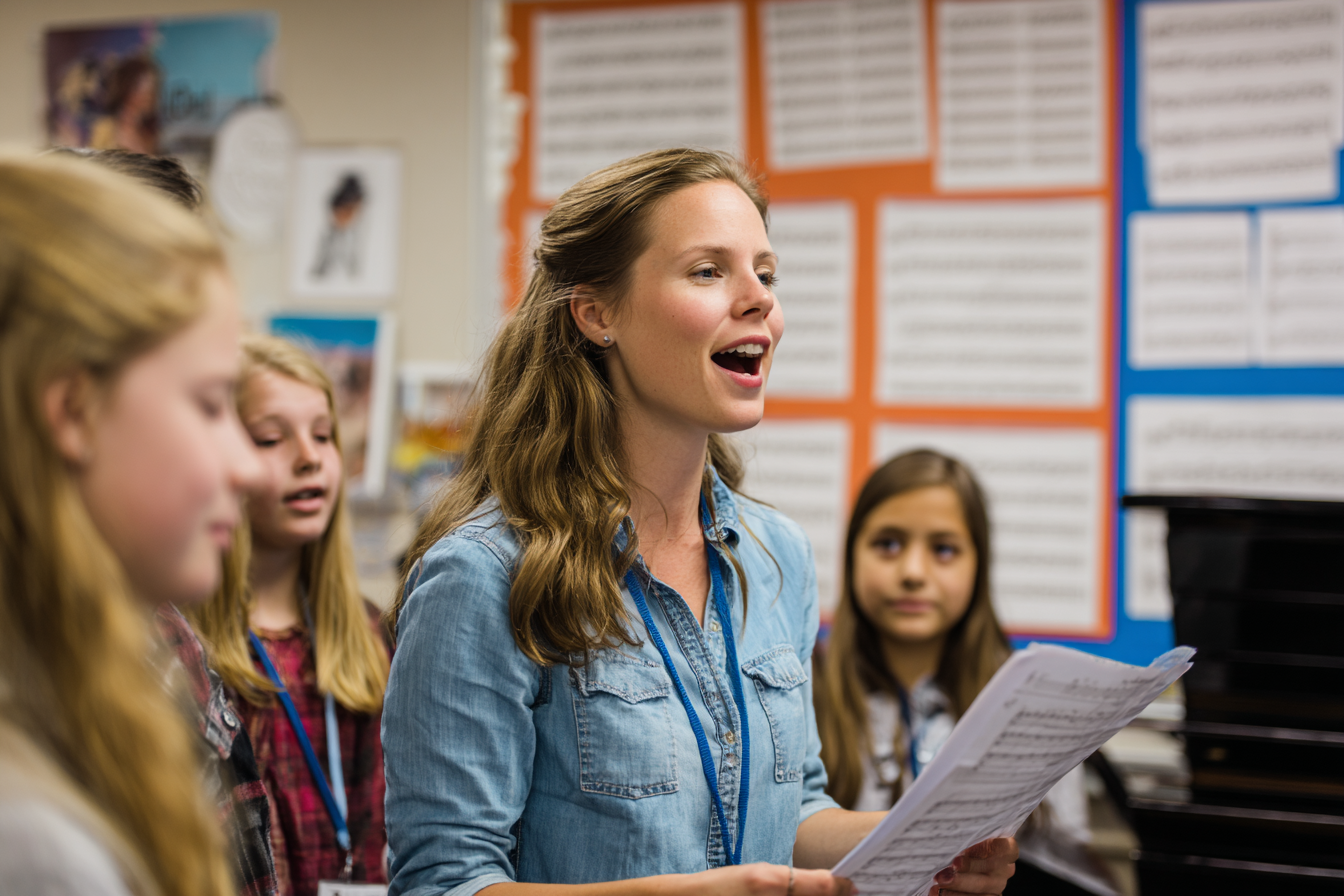
Focus: Explore how culture, history, and social context influence vocal music and how that context guides authentic performance practice (tone, diction, style, movement).
Grade Level: 7
Subject Area: Vocal Music (Choir • Culture • Context & Performance)
Total Unit Duration: 5 sessions (one week), 50–60 minutes per session
I. Introduction
In this unit, students explore how vocal music is shaped by the cultures, histories, and communities that create it. Through listening, short readings, and guided discussion, they examine spirituals, folk songs, protest songs, and other vocal styles, asking how language, history, and purpose influence the way singers should perform them. Students then apply what they learn by making context-based performance decisions about tone, diction, movement, and expression in selected repertoire.
Essential Questions
- How do culture, history, and social conditions influence the way vocal music is created and performed?
- Why is it important to understand a song’s origin and purpose when deciding how to sing it?
- In what ways can tone, diction, style, and movement show respect for the cultural context of a piece?
- How can learning about cultural context help us become more thoughtful, respectful, and authentic performers?
II. Objectives and Standards
Learning Objectives — Students will be able to:
- Describe the cultural, historical, or social background of at least two vocal pieces studied in class.
- Explain how context influences performance practice decisions (tone quality, diction, articulation, dynamics, movement, stance).
- Compare two vocal pieces from different cultural or historical contexts, identifying how each reflects its community’s experiences or values.
- Use a Context & Performance Organizer to connect background information to specific performance choices.
- Present a brief Context & Performance Summary explaining how they would perform a piece to honor its origin and message.
- Demonstrate respectful listening and discussion when exploring music from cultures and histories that may differ from their own.
Standards Alignment — Grade 7 Vocal Music (custom, NAfME-style)
- VM:Cn11.7a — Explain how vocal music reflects cultural, historical, and social contexts, and how that context influences performance practice.
- Example: Students research a folk song’s origin and explain how that context shapes articulation and tone.
Success Criteria — Student Language
- I can explain what cultural and historical context means for a song.
- I can describe how a song reflects the community or time period it comes from.
- I can connect context to performance decisions like tone, diction, and expression.
- I can share a short explanation of how I would perform a piece to respect its origin.
- I can talk about music from different cultures in a respectful and curious way.