Unit Plan 34 (Grade 7 Vocal Music): Vocal Choice & Purpose
Grade 7 choir unit explaining how tone, diction, text, style, and personal identity help vocal music fit specific purposes and audiences.

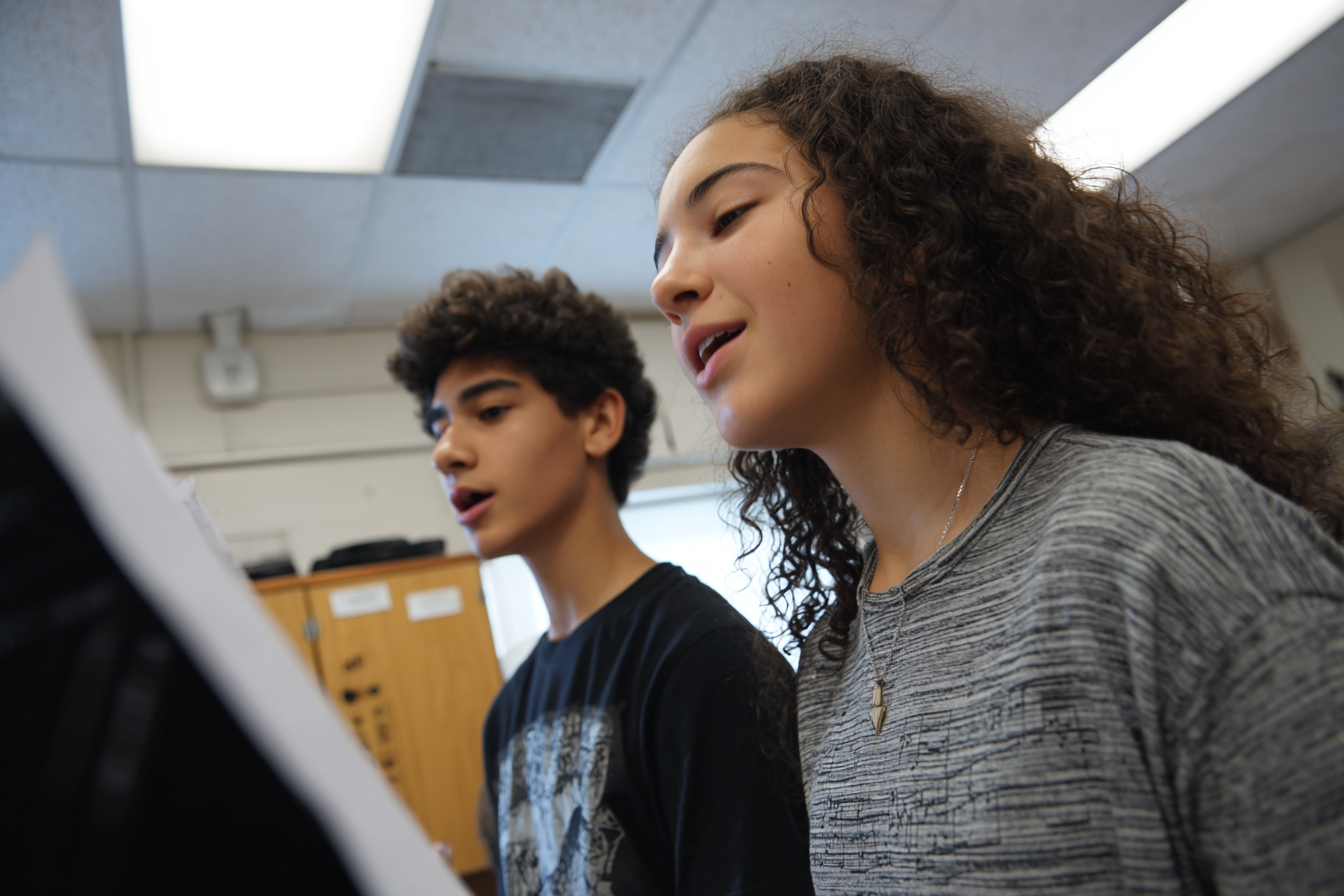
Focus: Explain why certain vocal music fits specific purposes or audiences, connecting tone quality, diction, text setting, and style to meaning and to personal identity and goals as a singer.
Grade Level: 7
Subject Area: Vocal Music (Choir • Response • Connections)
Total Unit Duration: 5 sessions (one week), 50–60 minutes per session
I. Introduction
In this unit, students explore why we choose certain songs for different events and audiences—such as assemblies, concerts, ceremonies, or personal playlists. They listen to and analyze vocal pieces from different genres and contexts, focusing on how tone quality, diction, and text setting contribute to meaning and style. Students then connect these observations to their own identities, interests, and experiences, explaining why some pieces feel like a better fit for their goals as singers and for specific performance situations.
Essential Questions
- How do tone quality, diction, and text setting shape the meaning and style of a vocal piece?
- Why might one song be a better fit than another for a specific purpose or audience (e.g., pep rally vs. remembrance ceremony)?
- How do my identity, interests, and experiences influence the vocal music I choose to listen to and perform?
- How can understanding purpose and audience help me make more intentional musical choices as a singer and ensemble member?
II. Objectives and Standards
Learning Objectives — Students will be able to:
- Describe how tone quality, diction, and text setting contribute to the mood, message, and style of selected vocal pieces.
- Identify the purpose and likely audience for different musical examples (e.g., celebration, reflection, protest, entertainment).
- Compare two vocal selections and explain which better fits a given scenario and why, using musical and textual evidence.
- Reflect on how their own identity, interests, and experiences influence the vocal music they prefer and choose to perform.
- Create a short “Vocal Choice & Purpose” proposal (e.g., a mini-program or event song choice) that justifies why certain music fits a purpose or audience.
- Use appropriate musical vocabulary (tone, diction, text setting, style, audience, purpose) to communicate their reasoning in speaking or writing.
Standards Alignment — Grade 7 Vocal Music (custom, NAfME-style)
- VM:Re7.7b — Explain how tone quality, diction, and text setting contribute to meaning and style in vocal music.
- Example: Students explain how crisp consonants support an upbeat jazz-style piece.
- VM:Cn10.7a — Explain how personal identity, interests, and experiences influence musical choices and goals as a singer.
- Example: Students write a reflection connecting their favorite genres to performance goals (tone, style, expression).
Success Criteria — Student Language
- I can explain how tone quality, diction, and text setting help a song sound gentle, powerful, joyful, serious, etc.
- I can decide which piece fits a specific purpose or audience and give musical reasons for my choice.
- I can explain how my own identity and interests influence the music I like and want to perform.
- I can use words like tone, diction, text setting, style, purpose, audience when I talk or write about music.
- I can create a simple music choice proposal that clearly explains why a piece is a good fit for a situation.