Unit Plan 12 (Grade 8 Art): Cultural Style Study
Grade 8 art history unit exploring a cultural art movement—students analyze stylistic traits, elements and principles of design, and how context shapes visual meaning.

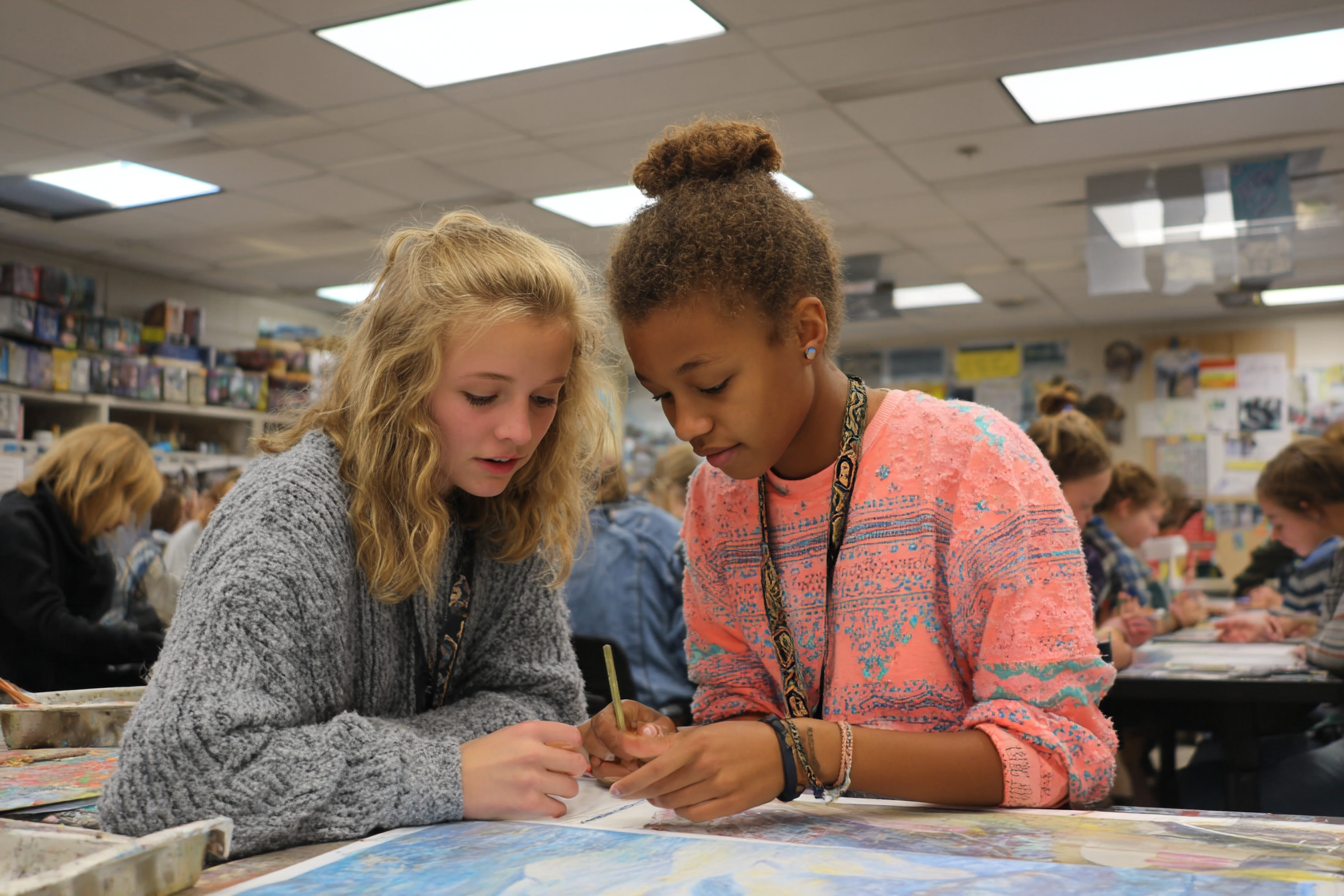
Focus: Study a cultural art movement and identify its stylistic characteristics, analyzing how elements of art and principles of design work together within that style and how the artwork reflects its cultural/historical context.
Grade Level: 8
Subject Area: Art (Visual Arts • Art History/Style • Analysis)
Total Unit Duration: 5 sessions (one week), 50–60 minutes per session
I. Introduction
In this unit, students explore one cultural art movement in depth (e.g., Mexican muralism, Japanese ukiyo-e, West African textiles, Pop Art), treating it like a visual “language” with its own rules and traditions. They examine multiple artworks from that movement, looking for recurring elements of art (line, color, shape, texture, space, value, form) and principles of design (balance, contrast, emphasis, rhythm, pattern, movement, unity). Students connect these stylistic choices to the movement’s cultural, historical, or social context, asking why artists in that time and place might have chosen this look. By the end, students will be able to recognize hallmark features of the style and explain how they relate to meaning and context.
Essential Questions
- What is a cultural art movement, and how can we recognize a style from just a few visual clues?
- How do elements of art and principles of design combine to create a distinctive look and feel in a cultural style?
- In what ways does a style reflect the values, history, or social conditions of the culture that created it?
- How does understanding context change the way we interpret an art movement’s visual choices?
- How can analyzing a cultural style help us make more intentional decisions in our own artwork?
II. Objectives and Standards
Learning Objectives — Students will be able to:
- Define art movement and style and identify at least three recurring visual characteristics of a chosen cultural art movement.
- Analyze how elements of art (e.g., color, line, shape) and principles of design (e.g., balance, contrast, pattern) function together to create visual impact in artworks from that movement (VA:Re7.8a).
- Describe how the chosen style reflects its cultural, historical, or social context (VA:Cn11.8a).
- Use visual and contextual evidence to explain how stylistic choices support meaning, mood, or message in at least one key artwork.
- Compare the selected cultural style to a more familiar style (or everyday visuals) and explain similarities/differences in visual language and context.
- Create a Cultural Style Study one-pager or mini-poster that summarizes stylistic characteristics, context, and an example artwork with annotations.
Standards Alignment — 8th Grade (NCAS-Aligned)
- VA:Cn11.8a — Analyze how visual art reflects cultural, historical, or social contexts and explain how context influences meaning.
- Example: Students study a cultural art movement and explain how its stylistic traits respond to cultural values, traditions, or social issues.
- VA:Re7.8a — Analyze how elements of art and principles of design function together to create visual impact and meaning.
- Example: Students explain how balance, contrast, and pattern in a movement’s signature style help convey mood or focus attention.
Success Criteria — Student Language
- I can name at least three visual characteristics of a specific cultural art movement.
- I can explain how elements of art and principles of design work together in this style to create a certain look or mood.
- I can describe how the style connects to the culture’s history, values, or social issues.
- I can use evidence from the artwork (colors, patterns, symbols, composition) and from context texts to support my ideas.
- I can make a clear Cultural Style Study page that would help someone else recognize the style and understand why it looks the way it does.