Unit Plan 30 (Grade 8 Art): Display & Audience Experience
Grade 8 art exhibition design unit where students analyze how layout, spacing, lighting, and labels shape audience interpretation and viewing experience.

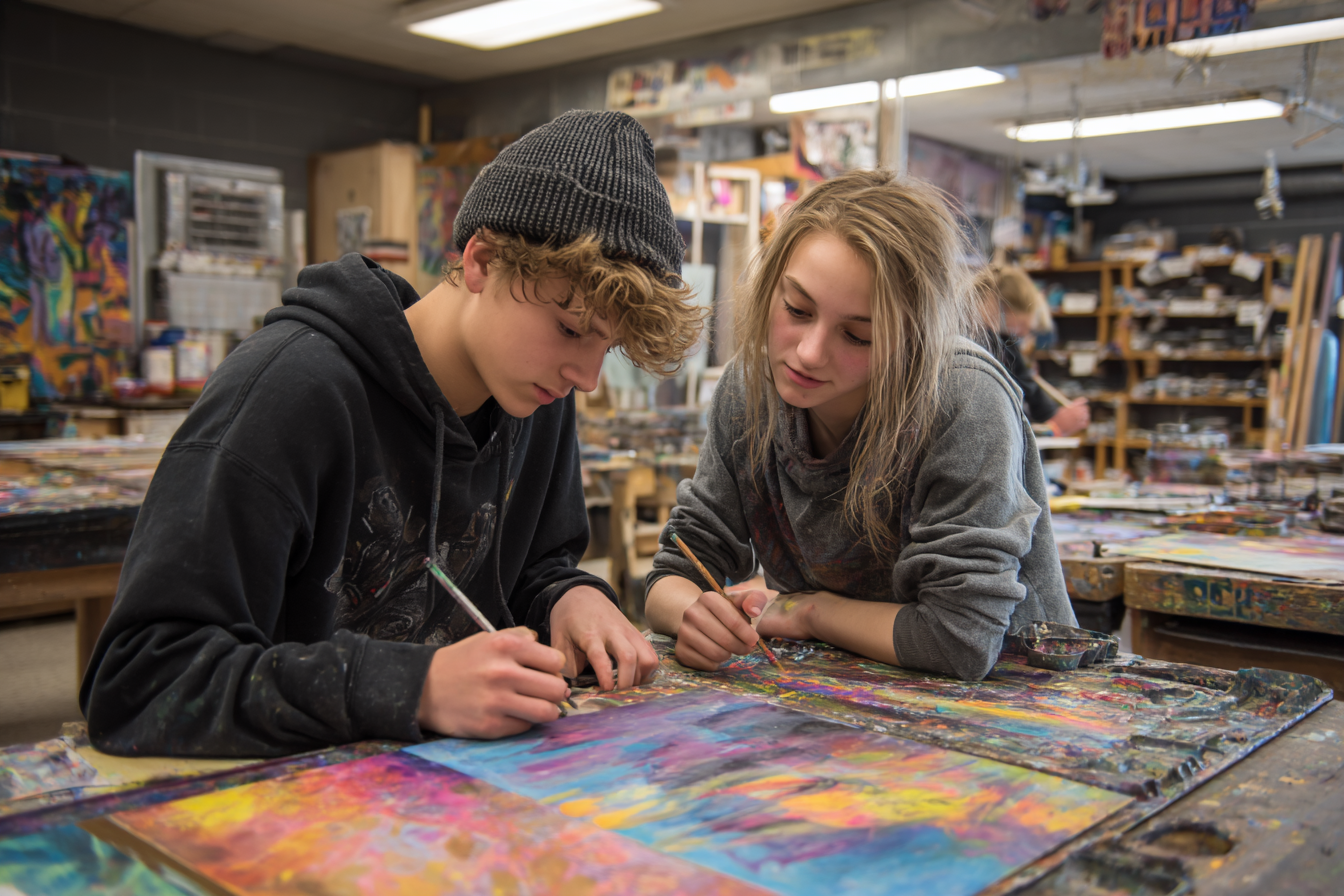
Focus: Analyze how presentation choices influence audience interpretation, exploring how layout, spacing, labels, and environment shape how viewers experience artwork.
Grade Level: 8
Subject Area: Art (Visual Arts • Curation & Presentation • Audience & Interpretation)
Total Unit Duration: 5 sessions (one week), 50–60 minutes per session
I. Introduction
In this unit, students shift from preparing artwork for display to thinking like viewers and exhibition designers. Using their class exhibition or a simulated gallery, they explore how presentation choices—such as arrangement, height, spacing, lighting, and labels—change what the audience notices first, how they move, and what they think or feel about the art. Through gallery walks, mini-exhibit experiments, and audience feedback, students learn that display decisions are powerful tools for shaping interpretation and experience, not just decoration.
Essential Questions
- How do presentation choices (layout, height, spacing, labels, lighting) change how an audience interprets artwork?
- What makes an exhibition feel inviting, clear, and meaningful for visitors?
- How can the order and grouping of artworks tell a story or change the mood of a space?
- In what ways do labels, titles, and brief texts shape what viewers notice and think?
- How can artists and curators design exhibitions that respect the artwork while also guiding the audience experience?
II. Objectives and Standards
Learning Objectives — Students will be able to:
- Observe and describe how different presentation variables (placement, grouping, height, spacing, labels, lighting) affect the way audiences view and move through an exhibition (VA:Pr6.8a).
- Compare at least two different display arrangements and explain how each one changes the mood, focus, or interpretation of the artworks.
- Work in small groups to design a mini-exhibit that uses intentional presentation choices to shape a specific audience experience (e.g., calm, energetic, reflective).
- Collect and interpret audience feedback (peer responses, surveys, sticky notes) to see how visitors actually experienced their display.
- Write a short Audience Experience Explanation that links specific presentation choices to how viewers interpreted and experienced the work (VA:Pr6.8a).
Standards Alignment — 8th Grade (NCAS-Aligned)
- VA:Pr6.8a — Explain how presentation choices influence how an audience interprets and experiences artwork.
- Example: Students discuss how lighting placement, spacing, or grouping affects mood and focus in an exhibit.
Success Criteria — Student Language
- I can describe how specific presentation choices (like height or spacing) change what viewers notice first.
- I can explain how different layouts or groupings create different moods or stories.
- I can design a mini-exhibit with intentional choices for how I want the audience to feel or think.
- I can use actual audience feedback to see if my presentation choices had the effect I expected.
- I can clearly explain in writing how presentation choices influenced the interpretation and experience of viewers.