Unit Plan 29 (Grade 8 Band): Advanced Sight-Reading
Grade 8 band unit on sight-reading using pre-reading scans, rhythm strategies, and error recovery to build confident, accurate ensemble reading.

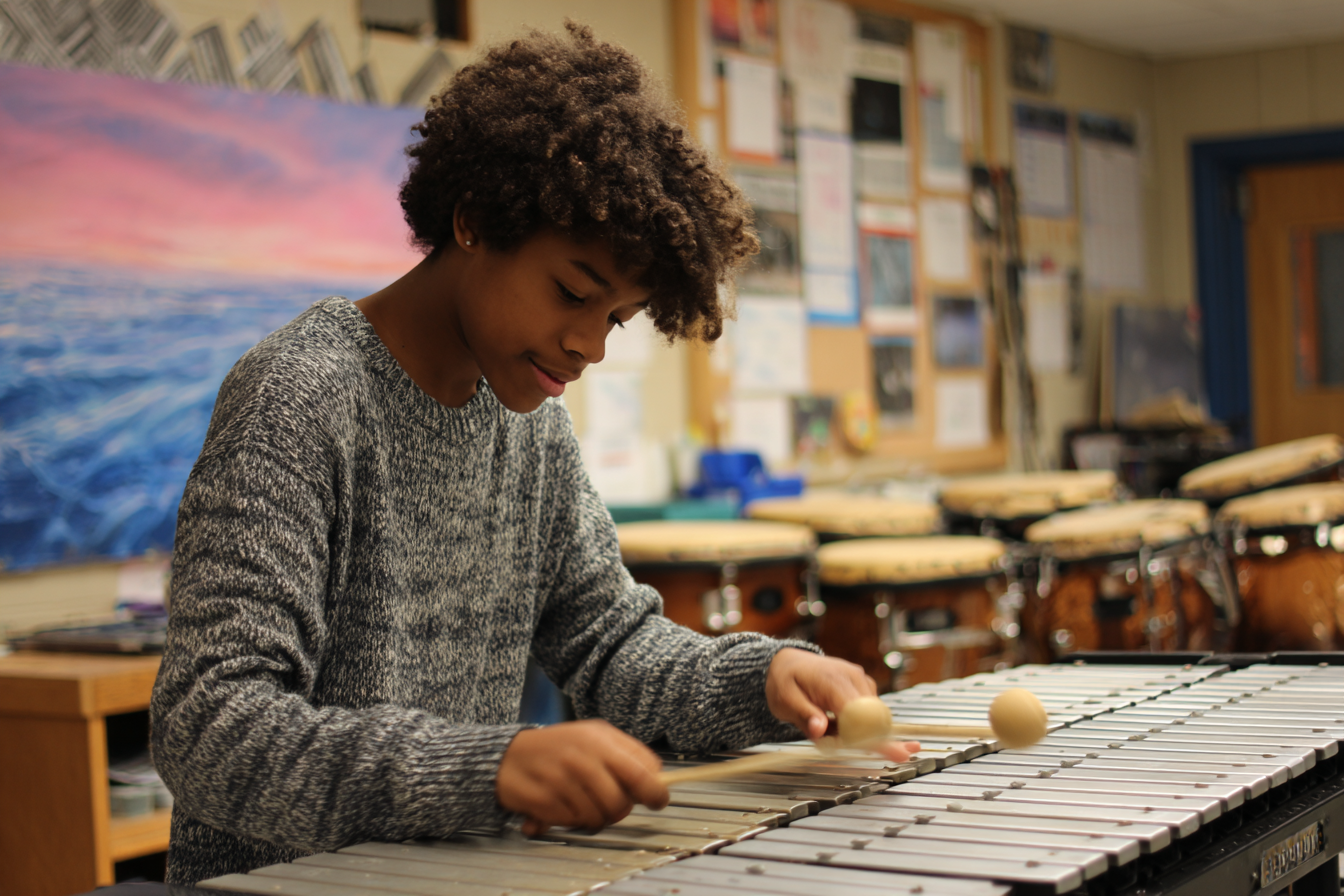
Focus: Develop accuracy and confidence in sight-reading unfamiliar music, using systematic pre-reading strategies, real-time reading skills, and effective error-recovery and practice techniques.
Grade Level: 8
Subject Area: Band (Performing • Reading & Interpretation • Rehearsal Skills)
Total Unit Duration: 5 sessions (one week), 50–60 minutes per session
I. Introduction
Students focus on becoming more independent, confident sight-readers who can handle unfamiliar band music without fear. They learn how to scan the page (key signature, time signature, tempo, road map), count rhythms, and track accidentals and dynamics before playing. In rehearsal, they practice sight-reading short exercises and full-band excerpts, using strategies for steady tempo, error recovery, and ensemble awareness. By the end of the unit, students can approach new music with a clear process, not guesswork.
Essential Questions
- What does effective sight-reading look and feel like for a band musician?
- How can pre-reading steps (key, time, tempo, form) make unfamiliar music more manageable and accurate?
- How do rhythm, key signatures, and expressive markings influence how we read and perform new music?
- What rehearsal strategies help us recover from mistakes and improve our sight-reading over time?
- How can improving sight-reading skills make us stronger, more independent ensemble players?
II. Objectives and Standards
Learning Objectives — Students will be able to:
- Use a consistent sight-reading checklist to scan unfamiliar music for key signature, time signature, tempo, form markers, and challenging rhythms.
- Read and perform short sight-reading exercises with mostly accurate pitches, rhythms, articulations, and dynamics while maintaining a steady tempo.
- Apply rehearsal strategies (count-singing, clapping, slowing tricky spots, isolating measures) to improve accuracy on difficult passages.
- Demonstrate error-recovery skills—continuing in time, re-entering after a mistake, and staying with the ensemble.
- Reflect on personal sight-reading strengths and set specific goals to further improve reading fluency.
Standards Alignment — 8th Grade Band (custom, NAfME-style)
- BD:Pr4.8b — Read and perform increasingly complex band music using standard notation, including varied key signatures, rhythms, and expressive markings.
- Example: Students perform music with accidentals and syncopated rhythms accurately.
- BD:Pr5.8a — Apply effective rehearsal strategies to improve individual accuracy, ensemble balance, blend, intonation, and rhythmic precision.
- Example: Students isolate difficult measures, rehearse slowly, then reintegrate into full ensemble.
Success Criteria — Student Language
- I can scan a new piece and quickly find the key, time, tempo, and tricky spots before I play.
- I can sight-read with mostly accurate notes and rhythms while keeping a steady tempo.
- I can use strategies like count-singing, clapping, and slowing down to fix difficult measures.
- I can keep going if I make a mistake instead of stopping and losing my place.
- I can explain which strategies help me most and set clear goals for becoming an even better sight-reader.