Unit Plan 33 (Grade 8 Band): Evaluating Ensemble Growth
Evaluate Grade 8 band ensemble progress using a rubric and musical evidence—tone, intonation, rhythm, balance, blend, and expression—by analyzing recordings, comparing growth over time, and setting clear next-step goals.

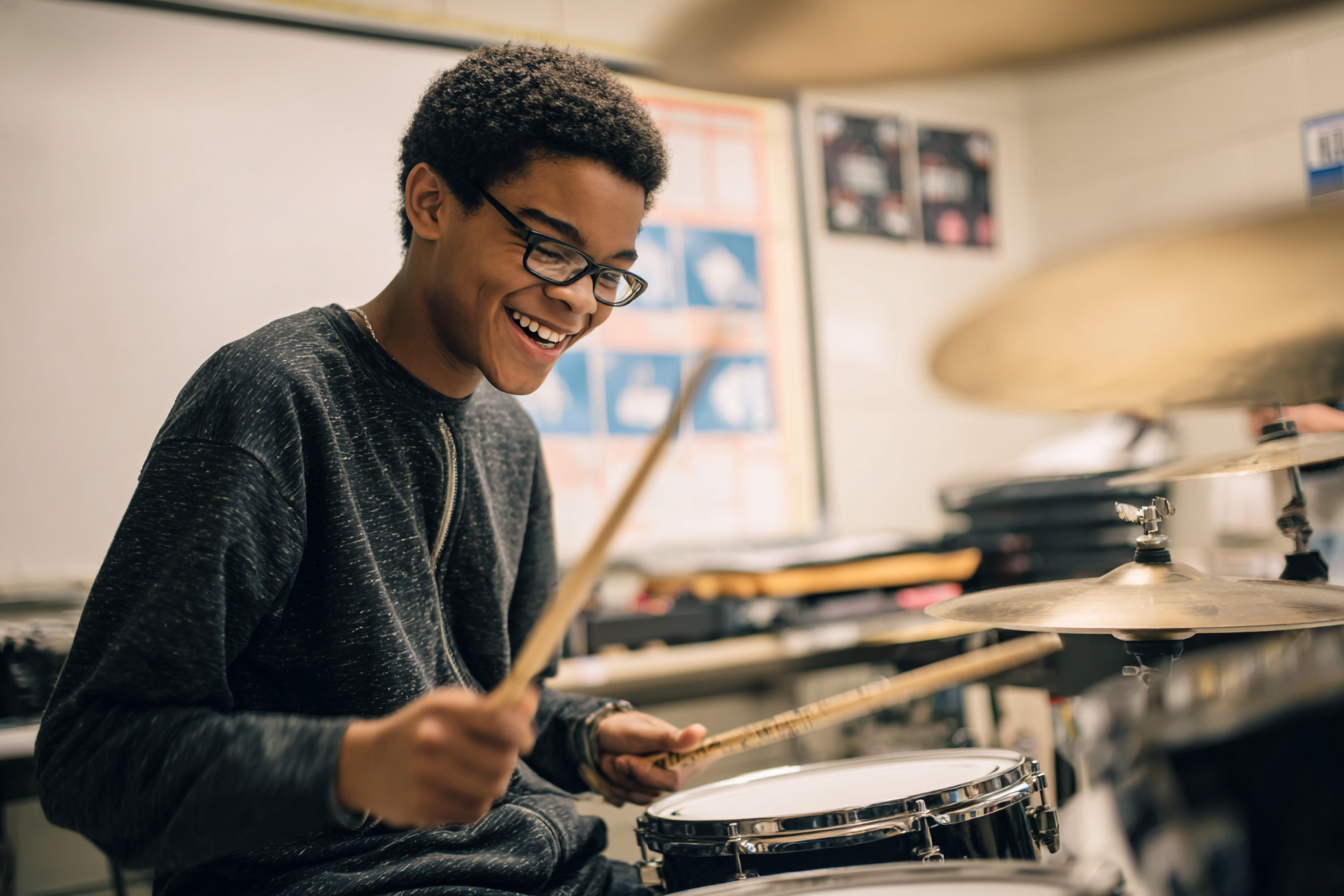
Focus: Evaluate ensemble progress using musical evidence, applying clear criteria (tone, intonation, rhythm, balance, blend, expression) to analyze performances and justify judgments.
Grade Level: 8
Subject Area: Band (Responding • Reflection & Evaluation • Ensemble Growth)
Total Unit Duration: 5 sessions (one week), 50–60 minutes per session
I. Introduction
Students step back from “just playing” to listen like directors and adjudicators. Using recordings, rubrics, and focused listening tasks, they evaluate band performances (their own and others’) using established criteria: tone, intonation, rhythm, balance, blend, and expression. They practice citing specific measures and musical moments as evidence for their judgments, then use what they learn to describe ensemble growth over time and identify next steps. By the end of the unit, students can talk about the band’s progress using musical vocabulary and concrete examples, not just opinions.
Essential Questions
- What does it mean to evaluate a band performance fairly and accurately?
- How can criteria like tone, intonation, rhythm, balance, blend, and expression help us describe what we hear?
- How do we use specific musical evidence (measures, phrases, moments) to support our judgments?
- In what ways has our ensemble grown over time, and how can we tell from recordings and reflection?
- How can evaluating performances help us make better musical decisions in future rehearsals and concerts?
II. Objectives and Standards
Learning Objectives — Students will be able to:
- Explain and use established evaluation criteria (tone, intonation, rhythm, balance, blend, expression) when listening to band performances.
- Complete performance rubrics for recorded or live performances, citing specific measures or moments as evidence.
- Compare two performances (e.g., earlier vs. current) to describe ensemble growth and remaining areas for improvement.
- Write or present a short evaluation summary that is respectful, specific, and based on musical evidence.
- Use evaluation results to help set future ensemble and personal goals for technique and musicality.
Standards Alignment — 8th Grade Band (custom, NAfME-style)
- BD:Re9.8a — Evaluate band performances using established criteria (tone, intonation, rhythm, balance, blend, expression) and justify judgments with evidence.
- Example: Students use a rubric to evaluate a performance and reference specific measures.
Success Criteria — Student Language
- I can describe a performance using words like tone, intonation, rhythm, balance, blend, expression instead of “good” or “bad.”
- I can point to specific measures or moments in a recording to explain my evaluation.
- I can compare two performances and explain how the band improved and what still needs work.
- I can give respectful, helpful feedback about our ensemble’s playing.
- I can set at least one future goal for our band based on evidence from my evaluation.