Unit Plan 28 (Grade 8 Band): Expressive Composition
Grade 8 band unit where students improvise emotions into motifs, compose expressive pieces, perform them, and explain how musical choices communicate mood.

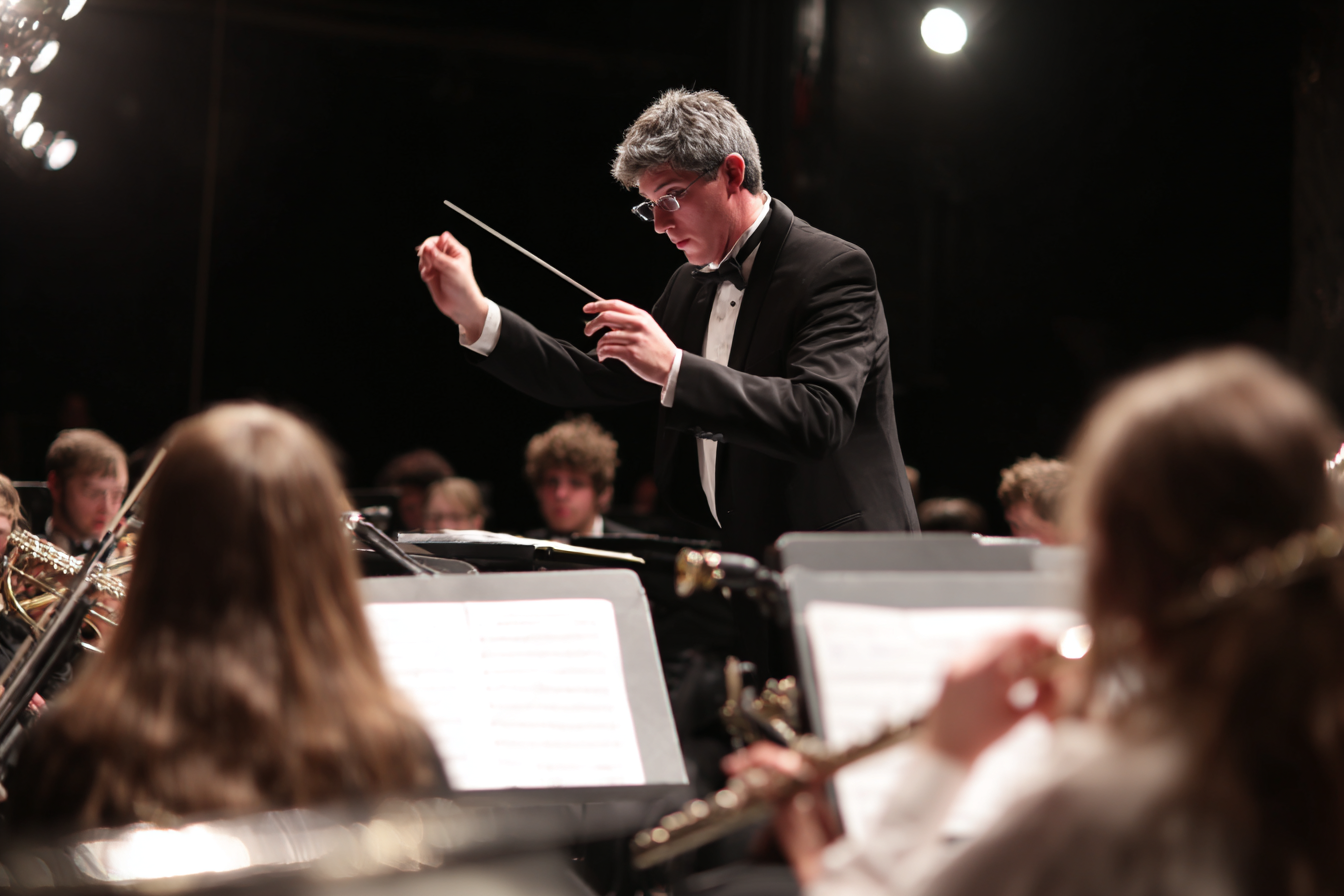
Focus: Create instrumental music inspired by emotions or imagery, using improvisation to generate ideas and composition to organize and present them with clear expressive intent.
Grade Level: 8
Subject Area: Band (Creating • Improvising & Composing • Expressive Musicianship)
Total Unit Duration: 5 sessions (one week), 50–60 minutes per session
I. Introduction
Students explore how instrumental music can be built from feelings and images, not just notes on a page. They listen to expressive excerpts, then use improvisation to generate short rhythmic and melodic ideas that match chosen emotions or visual scenes (e.g., calm lake, thunderstorm, celebration). From these improvisations, they select and develop ideas into short Expressive Compositions, adding dynamics, articulation, tempo changes, and other details to sharpen the mood. By the end of the unit, students perform and explain their pieces, describing how specific musical decisions support their expressive goals.
Essential Questions
- How can instrumental music express emotions or imagery without words?
- How can improvisation help us discover and refine ideas for expressive composition?
- Which musical elements (pitch, rhythm, dynamics, tempo, articulation, texture, tone color) are most powerful for conveying a specific mood or picture?
- How can I organize my ideas into a short piece that feels coherent and intentional, not random?
- In what ways do my own feelings, experiences, and imagination influence the expressive music I create?
II. Objectives and Standards
Learning Objectives — Students will be able to:
- Improvise short rhythmic and melodic ideas on their instrument that match a given emotion or image using appropriate pitch sets, rhythms, and articulations.
- Select 1–2 motifs from their improvisations and develop them into a short, organized Expressive Composition.
- Use musical elements—dynamics, articulation, tempo, register, and tone color—to sharpen the expressive impact of their composition.
- Rehearse and revise their piece for clarity, playability, and expressive consistency.
- Present their final Expressive Composition and explain how specific musical decisions communicate their intended emotion or imagery to an audience.
Standards Alignment — 8th Grade Band (custom, NAfME-style)
- BD:Cr1.8a — Improvise rhythmic and melodic ideas on their instrument using appropriate pitch sets, rhythms, and articulations to match a given expressive goal or style.
- Example: Students improvise a short melodic phrase using a concert B♭ scale to sound “bold” or “mysterious.”
- BD:Cr3.8b — Present a final instrumental creation and explain how musical decisions communicate expressive intent to an audience.
- Example: Students perform their composition and explain how articulation and dynamics support the mood.
Success Criteria — Student Language
- I can improvise short ideas that sound like a specific emotion or image.
- I can choose my favorite ideas and turn them into a short, organized piece.
- I can use dynamics, tempo, articulation, and tone to make my piece sound more expressive and clear.
- I can perform my piece so that the overall mood or image comes across.
- I can explain how my musical choices (e.g., loud vs. soft, high vs. low, smooth vs. choppy) support the emotion or picture I wanted to show.