Unit Plan 5 (Grade 8 Band): Rhythm Precision & Subdivision
Grade 8 band rhythm unit on counting, subdivision, syncopation, ensemble precision, and analyzing rhythm and form to create contrast, unity, and musical meaning.

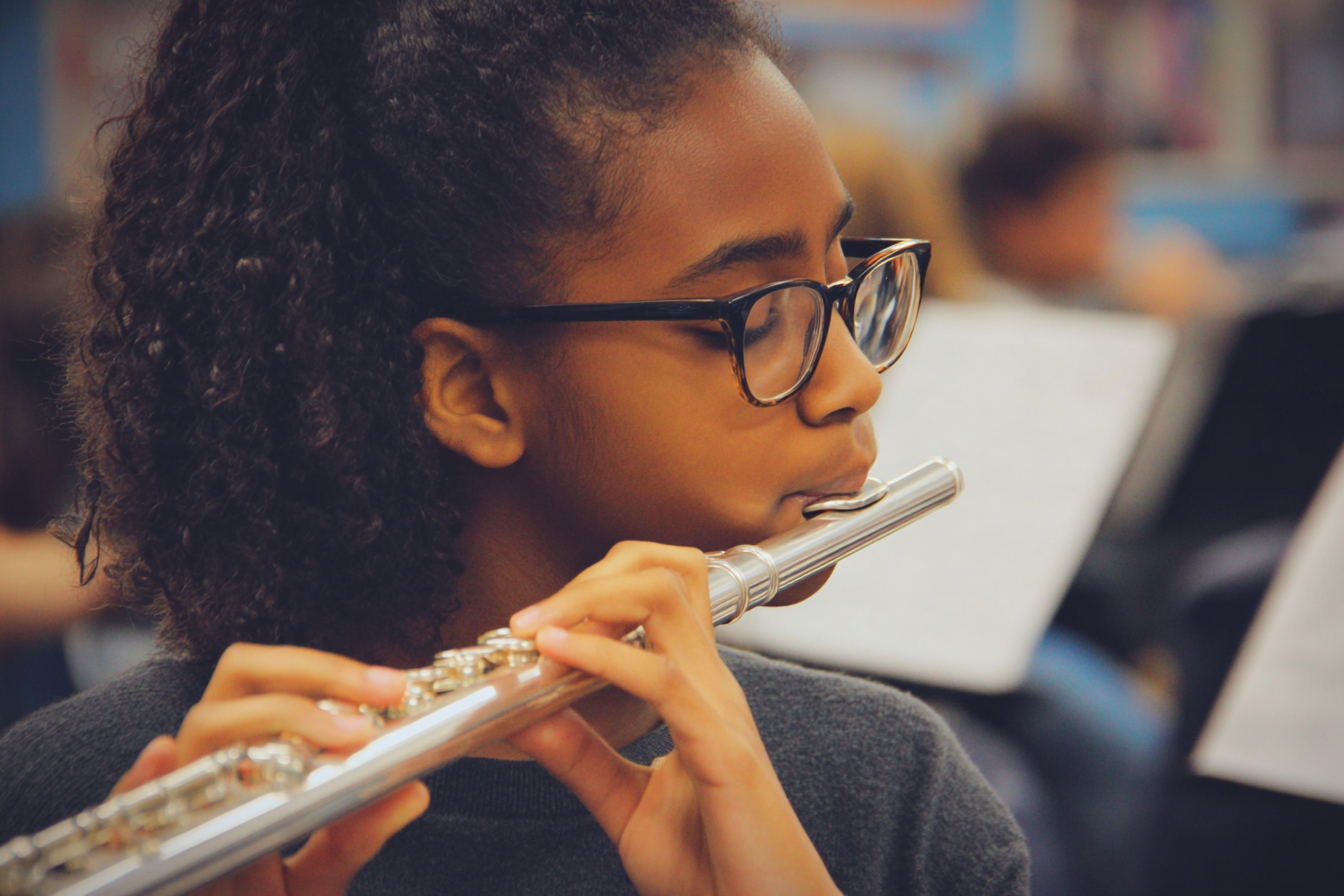
Focus: Strengthen rhythmic accuracy using counting systems and subdivision, and analyze how rhythm, form, and other musical elements work together to create contrast, unity, and meaning in band music.
Grade Level: 8
Subject Area: Band (Rhythmic Literacy • Ensemble Precision • Listening & Form)
Total Unit Duration: 5 sessions (one week), 50–60 minutes per session
I. Introduction
Students shift their attention to rhythm precision and subdivision, learning to count and perform increasingly complex rhythmic patterns with confidence. They practice using a consistent counting system (e.g., numbers-and-& or another school-approved system) to read, clap, and play rhythms in simple and compound meters. They also begin to analyze how rhythmic motives, patterns, and changes mark sections in band music and contribute to contrast and unity in the overall form. By the end of the unit, students can both perform rhythms accurately and explain how rhythm shapes the character and structure of the pieces they play.
Essential Questions
- Why is subdivision important for staying together as an ensemble and playing rhythms accurately?
- How can a consistent counting system help me read and perform complex rhythms more confidently?
- How do rhythmic motives, patterns, and changes help create contrast and unity in band music?
- In what ways do rhythm, dynamics, articulation, and form work together to shape the meaning and mood of a piece?
- What strategies can I use when I see a challenging rhythm in my music so I don’t guess or “fake it”?
II. Objectives and Standards
Learning Objectives — Students will be able to:
- Read and perform simple and syncopated rhythms in common meters (e.g., 4/4, 3/4, 2/4) using a consistent counting system.
- Use subdivision (e.g., counting eighth- and sixteenth-note groupings) to keep a steady pulse and align with the ensemble.
- Clap, count, and play rhythmic patterns that include ties, dotted rhythms, rests, and basic syncopation.
- Analyze short excerpts of band music to identify rhythmic motives, repeated patterns, and rhythmic changes that mark new sections or create contrast.
- Explain how rhythm, along with dynamics, articulation, and texture, contributes to form and meaning in at least one piece of band music.
- Set a personal rhythm fluency goal (e.g., a specific pattern, tempo, or counting skill) and use targeted practice to improve.
Standards Alignment — 8th Grade Band (custom, NAfME-style)
- BD:Pr4.8b — Read and perform increasingly complex band music using standard notation, including varied key signatures, rhythms, and expressive markings.
- Example: Students perform music with accidentals and syncopated rhythms accurately.
- BD:Re7.8a — Analyze how musical elements and form function together in band music to create contrast, unity, and meaning.
- Example: Students identify how a key change or dynamic shift marks a new section.
Success Criteria — Student Language
- I can use a counting system to read and perform rhythms accurately instead of guessing.
- I can subdivide (feel smaller beats inside the big beat) to help me stay in time with the ensemble.
- I can clap, count, and play syncopated and dotted rhythms with a steady pulse.
- I can find repeated rhythmic patterns and rhythmic changes in my band music and explain how they mark sections.
- I can describe how rhythm, dynamics, and articulation work together to create contrast and unity in a piece.
- I have a specific rhythm goal and know what I need to practice to improve.