Unit Plan 20 (Grade 8 Band): Tone Color & Instrumentation
Grade 8 band unit exploring tone color and instrumentation, helping students analyze how timbre, articulation, and style shape musical meaning and expressive impact.

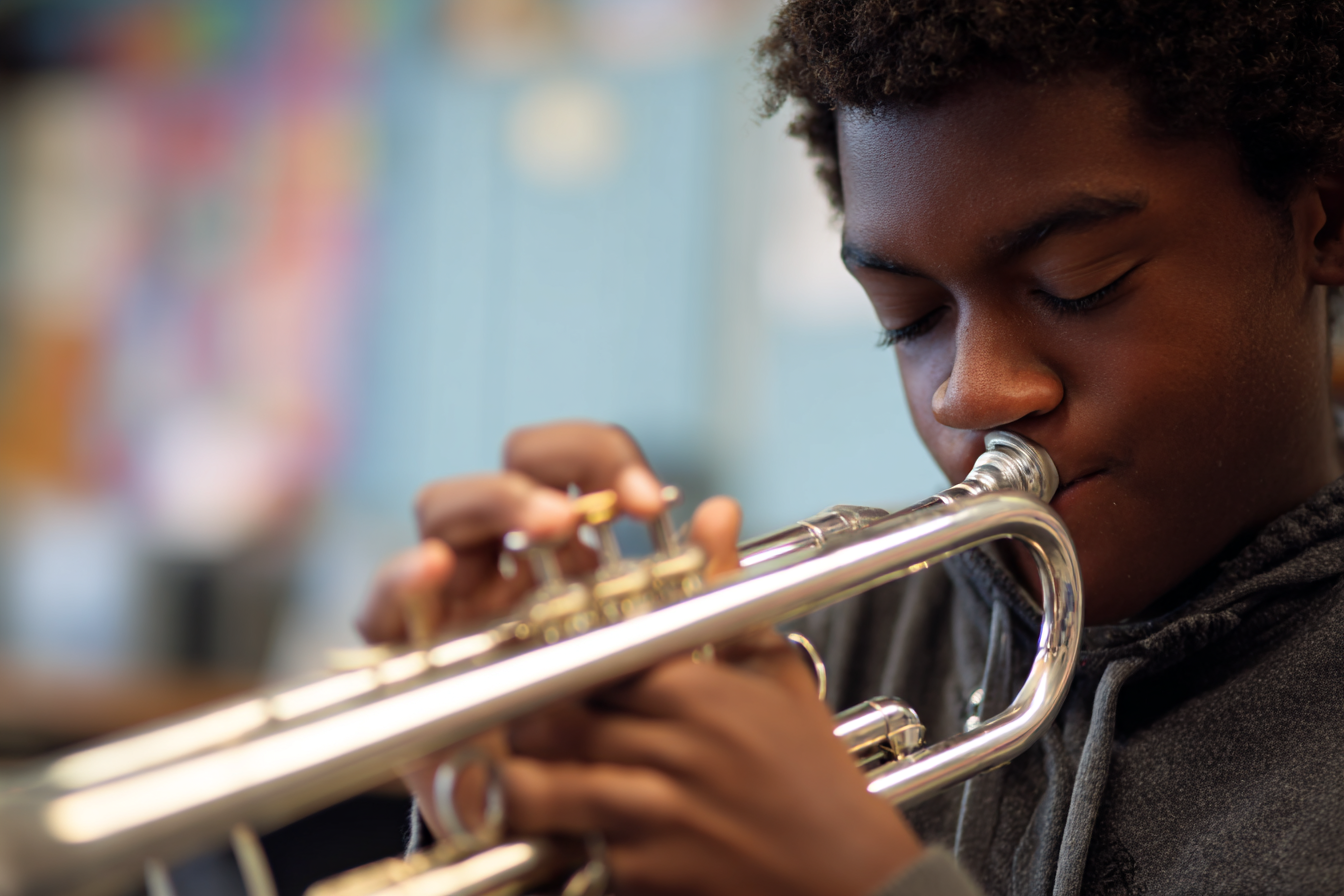
Focus: Examine how instrumentation and tone color interact with articulation and style to shape expression and meaning in band music.
Grade Level: 8
Subject Area: Band (Responding & Analyzing • Tone Color & Style • Listening Skills)
Total Unit Duration: 5 sessions (one week), 50–60 minutes per session
I. Introduction
Students explore how different instrument families and combinations create unique tone colors in band music and how those colors support a piece’s mood, character, and story. Through guided listening, simple orchestrations, and analysis of current repertoire, they learn to describe how instrumentation, articulation, and style (e.g., march, chorale, lyrical, fanfare) contribute to musical meaning. They compare sections where brass, woodwinds, and percussion take the lead, noticing how changes in color affect the listener’s experience. By the end of the unit, students can explain why a composer or arranger might choose particular instruments and articulations to communicate specific ideas.
Essential Questions
- What is tone color (timbre), and how do different instrument families and combinations change the sound of band music?
- How do instrumentation, articulation, and style work together to create a specific mood or character in a piece?
- Why might a composer give a melody to flutes instead of trumpets, or to low brass instead of clarinets?
- How does noticing who plays what, and how change the way we listen to and perform band music?
- In our own repertoire, how do changes in tone color and instrumentation help tell the musical story?
II. Objectives and Standards
Learning Objectives — Students will be able to:
- Identify which instrument families (woodwind, brass, percussion) or specific instruments are featured in different sections of band music.
- Describe how changes in tone color, instrumentation, and articulation (e.g., legato vs. staccato) affect a piece’s mood and meaning.
- Use musical vocabulary to explain how style (march, chorale, lyrical, fanfare, etc.) is supported by choices in instrumentation and tone color.
- Create a simple tone color map of a current concert piece, showing which instruments lead in each section and how style or articulation shifts.
- Explain in writing or discussion how instrumentation, tone color, articulation, and style together contribute to contrast, unity, and expression in band music.
Standards Alignment — 8th Grade Band (custom, NAfME-style)
- BD:Re7.8b — Explain how instrumentation, tone color, articulation, and style contribute to meaning in band music.
- Example: Students explain how brass and woodwind tone colors create contrast in a march.
Success Criteria — Student Language
- I can recognize and name which instrument families are featured in a section and what their tone colors sound like.
- I can describe how instrumentation and articulation (who plays and how) change the mood or character of a passage.
- I can point to specific moments in our music where tone color shifts (e.g., woodwinds to brass) and explain why that might matter.
- I can make a tone color map that shows which instruments are important in each section and what style they are playing.
- I can explain how choices of instrumentation, tone color, and style help tell the musical story in at least one band piece.