Unit Plan 27 (Grade 8 PE): Castle/Target Games & Tactical Throwing
Grade 8 PE target games unit on tactical throwing, Castle Ball strategy, defensive positioning, and team communication through active play.

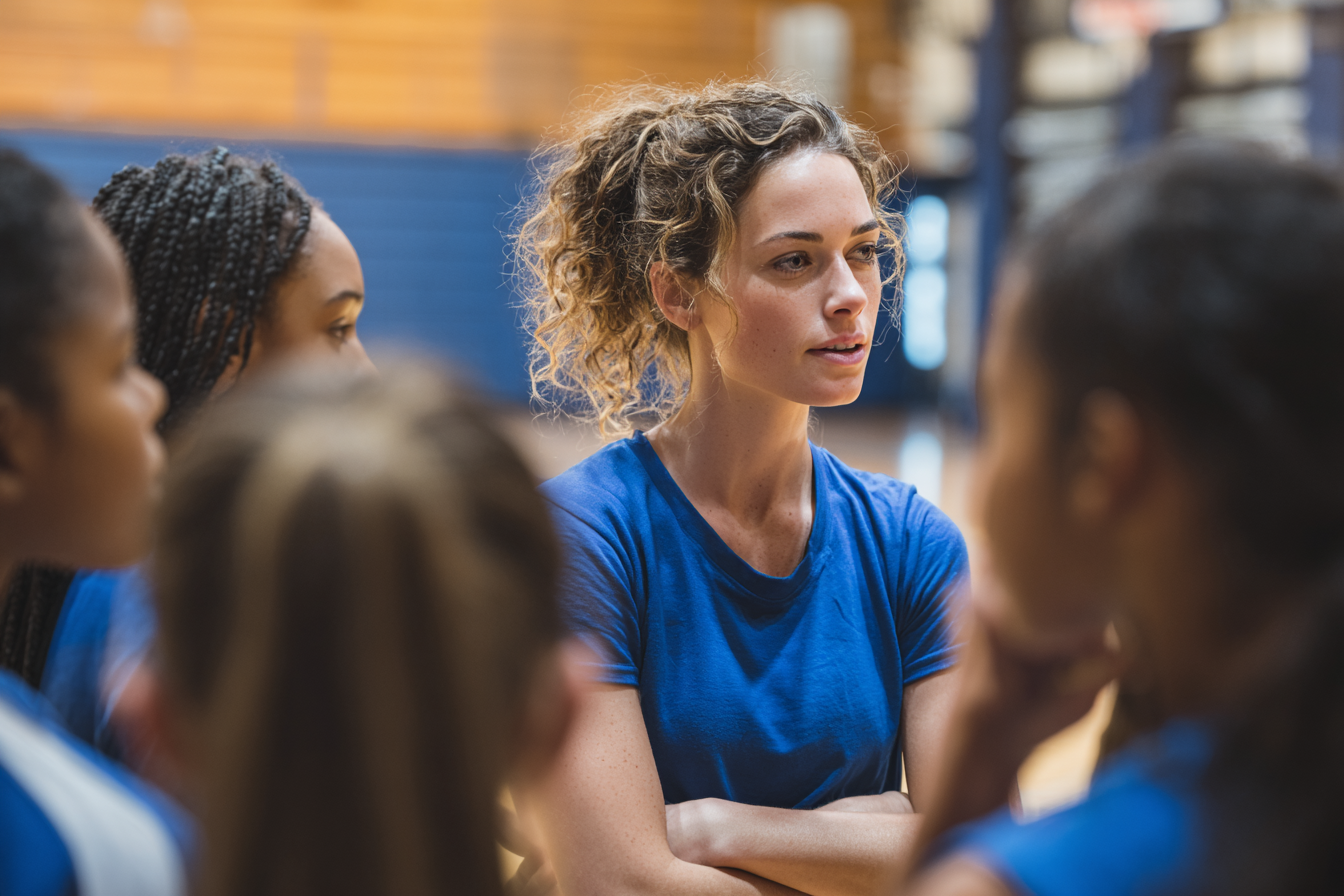
Focus: Use target throws at varied distances and Castle Ball/Guard the Pin variations to practice adjusting force and angle, reading defensive setups, and coordinating offensive and defensive roles.
Grade Level: 8
Subject Area: Physical Education
Total Unit Duration: 5 sessions (one week), 45–55 minutes per session
I. Introduction
In this unit, students develop tactical throwing through Castle Ball and other target games where the goal is to strike hula hoop castles or protected targets with accuracy and smart decision-making. Rather than relying only on power, students learn to vary force, trajectory, and release angle based on distance, defenders, and target position. They also practice the teamwork side of target games by assigning offensive and defensive roles, using short strategy time-outs, and adjusting plans as they gather information from each round. By the end of the unit, students can explain how their team used positioning, communication, and tactical throwing to improve performance.
Essential Questions
- How do force, angle, and trajectory affect success in Castle Ball and other target games?
- What makes an effective offensive and defensive setup when teams are trying to hit or protect hula hoop castles?
- How can short strategy time-outs and clear roles improve team performance?
- How do communication, safety, and inclusive teamwork affect success in competitive target games?
II. Objectives and Standards
Learning Objectives — Students will be able to:
- Perform accurate overhand and underhand throws at different distances, adjusting force and angle to hit hula hoop castles and other targets.
- Apply offensive strategies such as target prioritization, spread formations, decoy movement, and coordinated attacks to create better scoring chances.
- Apply defensive strategies such as castle protection, lane coverage, recovery, and role rotation to reduce opponent scoring opportunities.
- Combine locomotor movement, throwing, catching, recovering equipment, and quick transitions during continuous game play.
- Communicate clearly and respectfully with teammates to organize roles, adapt strategy, and ensure all players are included.
Standards Alignment — Grade 8 PE (SHAPE America-based custom)
- PE:S1.8c – Throwing & Catching with Precision in Competitive Contexts Throw and catch a variety of objects with precision, appropriate force, and timing in competitive and high-pressure situations, including leading teammates and adjusting to defenders.
- Example: In a Castle Ball game, a student delivers a controlled throw to a partially exposed hula hoop castle and quickly receives a return pass to continue the attack.
- PE:S1.8f – Integrating Complex Skill Combinations in Continuous Play Combine locomotor, manipulative, and stability skills in complex, continuous sequences during game play, maintaining form and control throughout.
- Example: A student shuffles to open space, catches a pass, sets their feet, throws at a castle, then recovers to help defend their team’s castles.
- PE:S2.8c – Adjusting Effort, Force, Angle & Timing Based on Game Demands Adjust effort level, force, angle, and timing of skills after interpreting distance, defensive pressure, and the risk/benefit of different options.
- Example: A student chooses a softer, higher-arc throw to drop the ball onto a deeper hula hoop castle that is protected by front defenders.
- PE:S2.8d – Selecting & Applying Offensive Strategies Effectively Identify and apply offensive strategies to create high-percentage scoring chances.
- Example: A team spreads out across the throwing line, uses one side as a decoy, then attacks a weak-side castle with two quick passes and a well-timed throw.
- PE:S2.8e – Executing Defensive Strategies & Transitions Smoothly Apply defensive concepts such as lane protection, recovery, help defense, and transition as the game flow changes.
- Example: After one castle is hit, defenders quickly rotate to protect the remaining castles and close the most obvious throwing lanes.
- PE:S4.8b – Leadership, Teamwork & Inclusive Participation Demonstrate leadership and teamwork by organizing groups, facilitating fair play, encouraging peers, and ensuring all students are included and respected.
- Example: A team captain assigns offensive and defensive roles, invites quieter teammates into the huddle, and helps the group adjust strategy in a positive way.
Success Criteria — Student Language
- I can adjust my throwing force, angle, and trajectory to hit castles and targets at different distances.
- I can explain at least one offensive tactic and one defensive tactic my team used in Castle Ball.
- I can move, catch, throw, and recover in a way that helps my team during continuous play.
- I can communicate clearly during huddles and games so my team knows who is attacking, defending, and adjusting.
- I can play safely and respectfully while helping my team stay organized and inclusive.